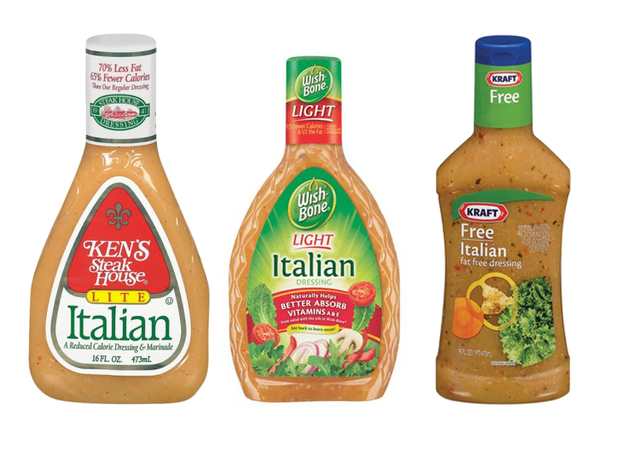
In today’s health-conscious world, more and more people are opting for low-calorie salad dressings to complement their nutritious meals. Salad dressings are a great way to enhance the flavors of fresh vegetables while keeping calorie intake in check. Traditional salad dressings can be high in fats and sugars, but with the availability of low-calorie options, you don’t have to compromise on taste or nutrition.
One popular choice among health enthusiasts is vinaigrette dressing. Vinaigrettes are typically made from a mixture of vinegar (such as apple cider or balsamic) and oil (such as olive or avocado), along with herbs, spices, and other flavorings. These dressings have significantly fewer calories than creamy counterparts like ranch or Caesar dressing. A typical serving size of vinaigrette contains around 30-50 calories per tablespoon.
Another option worth exploring is yogurt-based dressings. Yogurt provides a creamy texture without adding excessive calories or fat content. Greek yogurt, known for its higher protein content, is often used as the base for these types of dressings. By combining Greek yogurt with herbs, lemon juice, garlic, and other seasonings, you can create a delicious low-calorie dressing that adds tanginess to your salads without packing on extra pounds.
For those who prefer something even lighter in terms of calories and fat content, there are various alternatives available in stores today. Some brands offer zero-calorie salad sprays that provide a burst of flavor without compromising your diet goals. These sprays come in different flavors like Italian herb or sesame ginger and allow you to control the amount you use easily.
If you enjoy experimenting with homemade recipes, consider making your own low-calorie dressing using ingredients readily available at home. For instance, blending ripe avocados with lime juice creates a creamy yet healthy dressing that pairs well with mixed greens or grilled vegetables.
When choosing low-calorie salad dressings, be mindful of the sodium content. Some dressings may compensate for lower fat and calories by adding more salt or other preservatives. Reading labels and opting for dressings with reduced sodium levels can help you make healthier choices.
In conclusion, low-calorie salad dressings offer a wide variety of flavors and options to suit any taste preference. Whether you prefer vinaigrettes, yogurt-based dressings, store-bought sprays, or homemade creations, there are plenty of alternatives available that allow you to enjoy delicious salads without worrying about excessive calorie intake. So why not give these low-calorie options a try and elevate your healthy eating experience today?

Leave a Reply