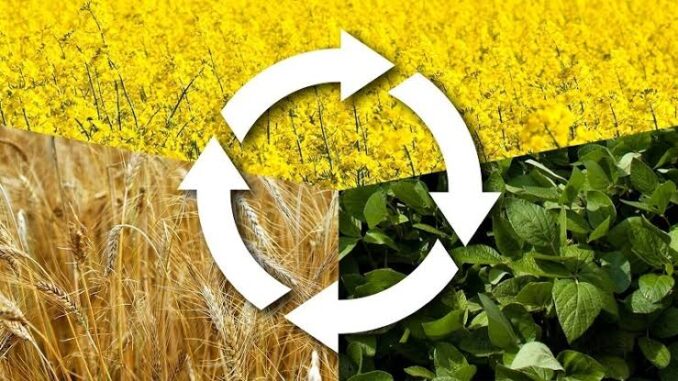
Crop Rotation and Soil Health: Nurturing the Earth’s Lifeline
Introduction:
In an era where sustainable practices are gaining increasing attention, one agricultural technique stands out as a tried-and-true method for promoting soil health and optimizing crop yield: crop rotation. Dating back thousands of years to ancient civilizations, this practice involves systematically alternating crops in a particular area over several growing seasons. Not only does it break pest cycles and reduce disease pressure, but it also replenishes essential nutrients naturally. In this article, we will delve into the benefits of crop rotation and explore how it contributes to maintaining healthy soil for sustainable food production.
Understanding Soil Health:
Soil is much more than just dirt; it is a living ecosystem teeming with microorganisms that play vital roles in plant growth. These microscopic creatures assist in breaking down organic matter, cycling nutrients, improving soil structure, and protecting plants from diseases. Maintaining soil health is crucial as healthy soils foster nutrient-rich crops while minimizing the need for synthetic fertilizers or pesticides.
The Benefits of Crop Rotation:
1. Pest Control:
One of the primary advantages of implementing crop rotation is effective pest control. Pests that target specific plants tend to rely on these hosts to complete their life cycles successfully. By regularly changing crops within a field or plot, farmers can disrupt these cycles by denying pests their preferred host plants year after year.
Moreover, some beneficial insects thrive when certain crops are grown together or sequentially due to symbiotic relationships they have developed over time with specific plants. For example, planting legumes like peas or beans alongside corn attracts beneficial insects such as ladybugs that feed on aphids known to infest corn stalks.
2. Disease Management:
Crop rotation helps mitigate the risk of plant diseases caused by pathogens residing in the soil between growing seasons. Many pathogens depend on particular hosts for survival and reproduction; depriving them of their favored environment can significantly reduce their populations.
For instance, tomatoes are susceptible to various soil-borne diseases, such as early blight and fusarium wilt. By rotating tomato crops with non-solanaceous plants like lettuce or cucumbers, farmers can minimize the buildup of pathogens in the soil that specifically target tomatoes.
3. Nutrient Management:
Different crops have unique nutrient requirements: some deplete specific nutrients from the soil while others replenish them. Crop rotation allows for a diverse range of plants to be grown in succession, ensuring a balanced nutrient cycle over time.
Leguminous crops, such as soybeans or clover, possess nodules on their roots that house nitrogen-fixing bacteria. These bacteria convert atmospheric nitrogen into a form usable by plants, enriching the soil with nitrogen naturally. Consequently, planting legumes before or after heavy nitrogen feeders like corn helps supplement the availability of this vital nutrient.
4. Weed Suppression:
Weeds compete with cultivated crops for valuable resources such as sunlight, water, and nutrients. By incorporating certain crops into a rotation plan known for their weed-suppressing properties—such as cover crops—it is possible to reduce weed pressure significantly.
Cover crops like rye or buckwheat act as living mulches when sown between cash crop cycles since they outcompete weeds by shading them out and preventing germination through root exudates that inhibit seed growth. Additionally, these cover crops also improve soil structure by increasing organic matter content and enhancing moisture retention capacity.
Implementing Crop Rotation Strategies:
There are several methods employed when designing crop rotation systems based on farm-specific needs and goals:
1. Simple Rotation:
The simplest form of crop rotation involves alternating between two different crop types—for example, growing corn one year followed by soybeans the next year—while leaving one year fallow (unplanted). This method is particularly useful for small-scale operations looking to control pests without complicating their farming practices too much.
2. Diversified Rotation:
Diversified rotations involve including a broader range of crops within the rotation cycle. This approach maximizes the benefits of crop rotation by targeting specific pest and disease vulnerabilities while optimizing nutrient cycling. Additionally, incorporating cover crops or green manures in these systems can further enhance soil health and fertility.
3. Customized Rotation:
Larger agricultural operations often tailor their crop rotations to address specific issues unique to their region, such as prevalent diseases or pests. By adapting the rotation plan accordingly, farmers can effectively manage local challenges while maintaining a healthy balance in their soils.
Conclusion:
Crop rotation is an essential component of sustainable agriculture that promotes soil health and enhances overall farm productivity. By diversifying crops over successive growing seasons, farmers can mitigate pest pressure, manage diseases, optimize nutrient availability, and suppress weeds—ultimately reducing reliance on chemical inputs and fostering long-term sustainability.
As consumers increasingly prioritize healthy food choices grown sustainably, acknowledging the impact of cultivating practices like crop rotation becomes more critical than ever. Supporting farming methods that prioritize soil health not only benefits our plates with nutrient-rich produce but also ensures the preservation of this vital resource for future generations—a win-win scenario for both human well-being and environmental sustainability.

Leave a Reply