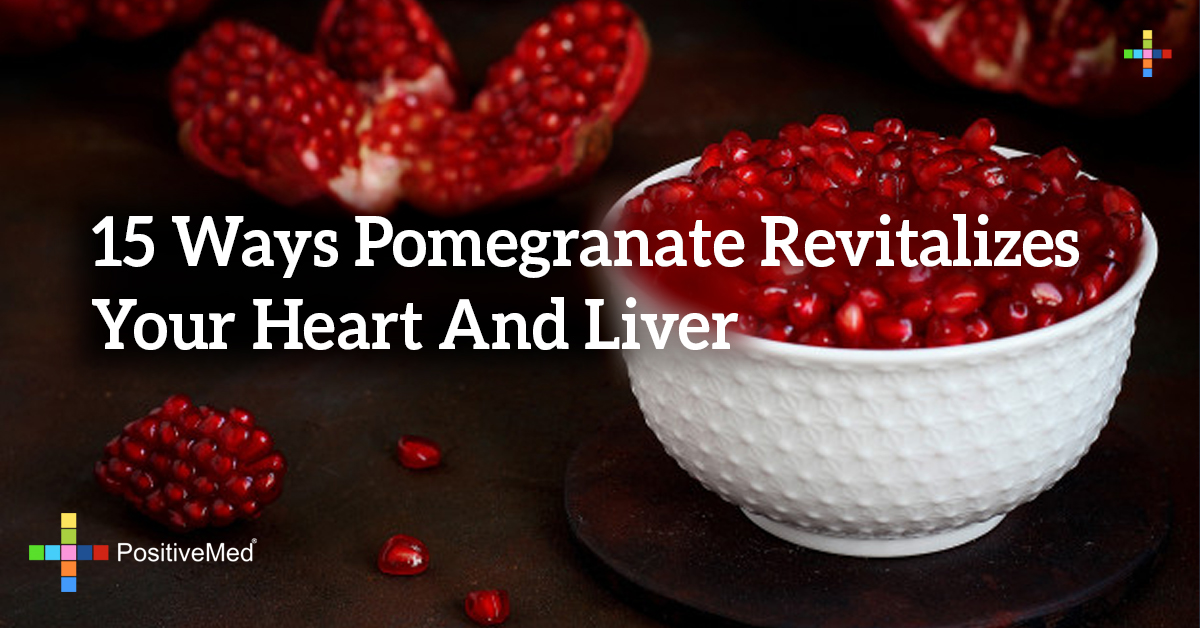
Pomegranate and Heart Health: A Powerful Combination
When it comes to maintaining a healthy heart, incorporating nutrient-dense foods into your diet is key. Among the plethora of fruits that offer numerous health benefits, pomegranates stand out as a true superfood for heart health. Packed with antioxidants, vitamins, and minerals, this vibrant fruit has been celebrated for its potential to protect against various cardiovascular diseases. In this article, we will delve into the science-backed reasons why pomegranate deserves a prime spot in your heart-healthy eating plan.
1. Rich in Antioxidants:
One of the primary reasons why pomegranates are considered heart-friendly lies in their high antioxidant content. These antioxidants help neutralize harmful free radicals that can cause oxidative stress and damage cells throughout the body, including those within blood vessels and the heart.
The star antioxidant compounds found abundantly in pomegranates are polyphenols. Specifically, punicalagins and anthocyanins are two types of polyphenols that have received significant attention due to their potent heart-protective properties. Punicalagins have been shown to reduce inflammation and oxidative stress while improving lipid profiles – factors directly linked to cardiovascular health [1]. Anthocyanins not only exhibit anti-inflammatory effects but also promote arterial elasticity by reducing plaque formation [2].
2. Lower Blood Pressure:
High blood pressure (hypertension) is a major risk factor for developing heart disease or stroke over time. Fortunately, regular consumption of pomegranate juice or extracts has demonstrated promising results in lowering blood pressure levels.
A study published in Phytotherapy Research revealed that participants who consumed 150 mL (approximately 5 ounces) of pomegranate juice daily experienced notable decreases in systolic blood pressure after just two weeks [3]. Another randomized controlled trial showed similar findings where hypertensive individuals who consumed 150 mL of pomegranate juice per day for two weeks exhibited significant reductions in both systolic and diastolic blood pressure [4].
3. Cholesterol Maintenance:
Elevated levels of LDL (low-density lipoprotein) cholesterol, commonly known as “bad” cholesterol, are associated with an increased risk of heart disease. Pomegranates have been found to help maintain healthy cholesterol levels by reducing LDL oxidation and inhibiting its accumulation.
A study published in the journal Atherosclerosis demonstrated that participants who consumed pomegranate juice experienced a considerable decrease in oxidized LDL cholesterol levels compared to the control group [5]. Additionally, another study found that consuming pomegranate extract significantly suppressed the gene expression involved in fat synthesis and inflammation while increasing the activity of genes related to fat metabolism [6].
4. Enhanced Blood Flow:
Maintaining optimal blood flow throughout the body is crucial for heart health. The compounds present in pomegranates work synergistically to promote better circulation by widening arteries and preventing arterial plaque buildup.
Nitric oxide (NO), a molecule produced naturally within our bodies, plays a vital role in dilating blood vessels and maintaining healthy blood flow. Pomegranate polyphenols can enhance NO production by protecting it from degradation, resulting in improved endothelial function – a key factor influencing cardiovascular health [7]. Moreover, animal studies have shown that pomegranate extract can reduce oxidative stress-induced damage within arterial walls, thereby preventing atherosclerosis or hardening of arteries [8].
5. Anti-Inflammatory Effects:
Chronic inflammation is closely linked to various cardiovascular disorders including heart disease. By incorporating anti-inflammatory foods like pomegranates into your diet, you may be able to reduce this risk.
The punicalagins found abundantly in pomegranates possess potent anti-inflammatory properties that can inhibit pro-inflammatory enzymes such as COX-2 and NF-kB [9]. These effects have been observed in multiple studies, including one where pomegranate extract reduced levels of C-reactive protein (CRP), a marker of inflammation associated with cardiovascular disease [10].
6. Improved Exercise Performance:
Engaging in regular physical activity is crucial for maintaining a healthy heart. Pomegranates have been shown to enhance exercise performance and aid in post-workout recovery due to their unique composition.
A study conducted on athletes found that consuming pomegranate juice before training significantly improved blood flow and delayed fatigue during intense exercises [11]. Furthermore, the antioxidants present in pomegranates can help reduce muscle soreness, oxidative stress, and inflammation that often occur following strenuous workouts [12].
Incorporating Pomegranates into Your Diet:
Now that we have explored the numerous heart-healthy benefits of pomegranates, let’s discuss some simple ways you can incorporate this fruit into your daily routine:
1. Fresh Pomegranate Seeds: Enjoy them as a snack or sprinkle them over salads, yogurt bowls, or oatmeal.
2. Pomegranate Juice: Opt for freshly squeezed juice without any added sugars or preservatives.
3. Smoothies: Blend fresh or frozen pomegranate seeds with other fruits like berries or bananas for a nutritious and refreshing beverage.
4. Salad Dressings: Add depth of flavor by incorporating pomegranate juice into homemade dressings like vinaigrettes.
5. Infused Water: Drop some fresh pomegranate seeds into your water bottle along with slices of lemon for a delicious twist.
6. Desserts: Use pomeganate arils as toppings on desserts such as cakes, puddings, or ice creams.
Conclusion:
From reducing blood pressure to improving cholesterol profiles and enhancing blood flow, the health benefits of incorporating pomegrantes into your diet are indeed impressive when it comes to protecting your heart health. With their potent antioxidant and anti-inflammatory properties, pomegranates can be a valuable addition to your heart-healthy eating plan. So, why not indulge in this vibrant fruit and give your heart the love it deserves?

Leave a Reply