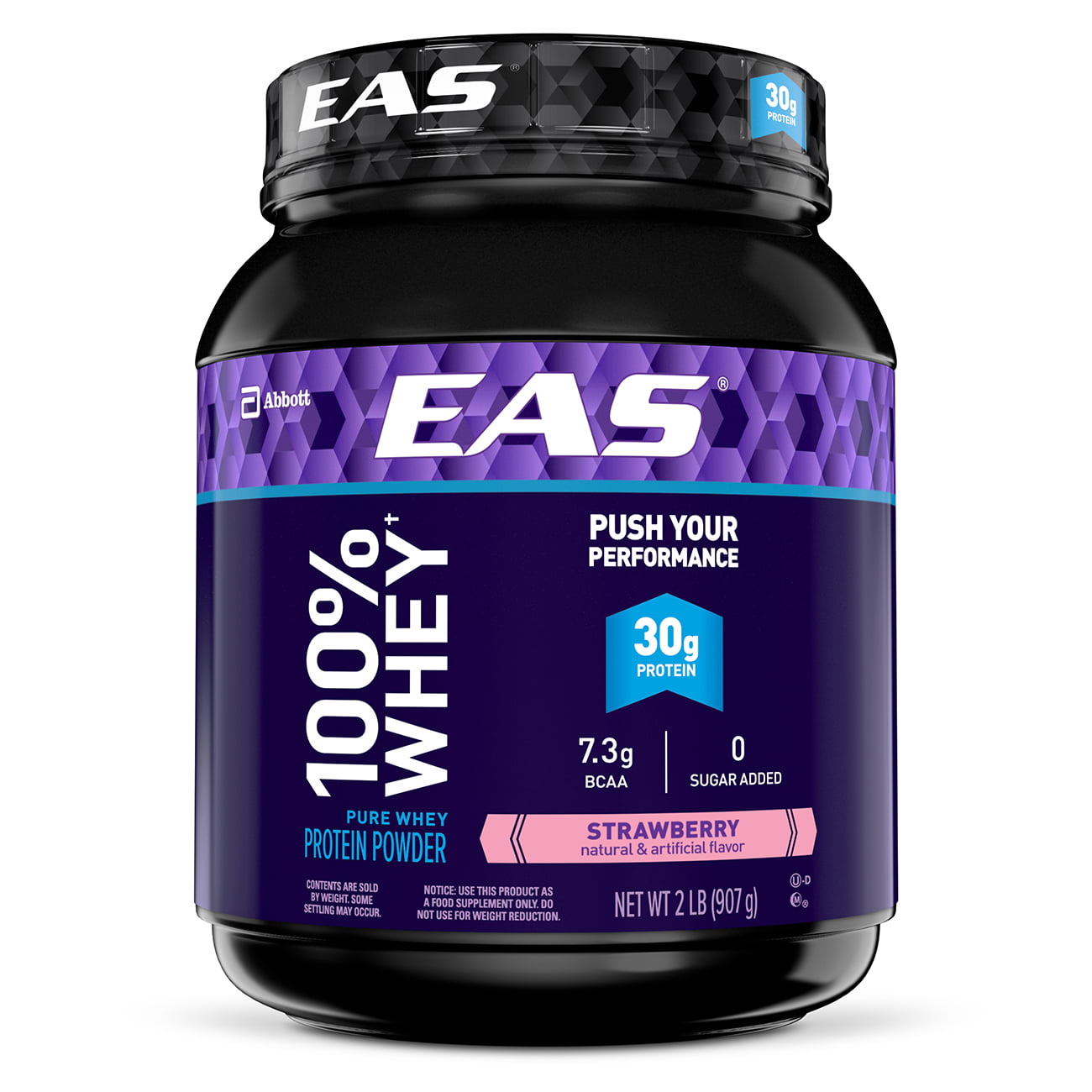
Protein powder has become an increasingly popular supplement among athletes and fitness enthusiasts. It is a convenient way to increase protein intake, support muscle growth and recovery, and enhance overall athletic performance. With so many options available in the market, it can be overwhelming to choose the right protein powder for your needs. In this article, we will discuss the top 15 protein powders for athletes that are worth considering.
1. Whey Protein Isolate: Whey protein isolate is one of the most popular choices among athletes due to its high-quality amino acid profile and quick absorption rate. It contains minimal lactose and fat content, making it suitable for those with lactose intolerance or following a low-fat diet.
2. Casein Protein: Unlike whey protein isolate, casein protein is slow-digesting which makes it ideal for consuming before bedtime or during prolonged periods without food. Its gradual release of amino acids helps prevent muscle breakdown during sleep or extended fasting.
3. Plant-Based Protein: For individuals following a vegan or vegetarian lifestyle, plant-based proteins such as pea, hemp, rice, or soy offer excellent alternatives to animal-derived sources like whey or casein.
4. Collagen Peptides: Collagen peptides have gained popularity recently due to their potential benefits in supporting joint health and improving skin elasticity while providing a good source of protein.
5. Egg White Protein: Egg white protein powder offers a complete source of essential amino acids while being free from cholesterol found in whole eggs.
6. Soy Protein Isolate: Soy protein isolate is derived from soybeans and provides all essential amino acids along with additional benefits like reducing cholesterol levels.
7. Beef Protein Isolate: Beef protein isolate offers an alternative source of animal-based proteins for individuals who cannot consume dairy products but still want an easily digestible option.
8. Rice Protein Powder: Rice protein powder is hypoallergenic and easily digestible—making it suitable for people with allergies or sensitive stomachs.
9. Pea Protein Powder: Pea protein powder is rich in branched-chain amino acids (BCAAs) and offers a good alternative for those who cannot tolerate dairy or soy-based protein powders.
10. Hemp Protein Powder: Hemp protein powder is derived from hemp seeds and contains omega-3 fatty acids, fiber, and essential minerals in addition to its protein content.
11. Mixed Plant-Based Blends: Many companies offer blends of different plant-based proteins to provide a complete amino acid profile while catering to various dietary preferences.
12. MCT Oil Infused Protein Powders: Medium-chain triglyceride (MCT) oil-infused protein powders combine the benefits of both healthy fats and high-quality proteins, providing sustained energy for workouts.
13. Probiotic-Enhanced Protein Powders: Probiotics are beneficial bacteria that support gut health and digestion. Some protein powders now incorporate probiotics into their formulas for improved nutrient absorption and overall well-being.
14. Gluten-Free Options: Athletes with gluten sensitivities can find specialized gluten-free options that meet their nutritional requirements without causing digestive discomfort or inflammation.
15. Low-Carb/Low-Sugar Varieties: For individuals following low-carb or ketogenic diets, there are protein powders available with minimal carbohydrate content or sweetened naturally with stevia or monk fruit extract instead of sugar.
When selecting a protein powder, consider your specific needs, taste preferences, dietary restrictions, and fitness goals before making a choice. It’s also advisable to consult with a healthcare professional or registered dietitian to ensure you’re choosing the right type of protein powder that aligns with your individual needs and goals as an athlete.

Leave a Reply