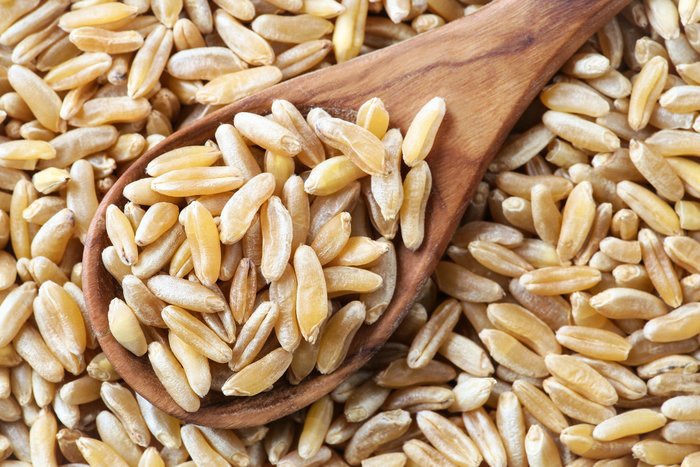
Kamut: The Ancient Grain with Modern Health Benefits
In recent years, there has been a growing interest in ancient grains and their nutritional benefits. One such grain that is gaining popularity is Kamut. Known for its unique taste and impressive health properties, Kamut offers a range of advantages that make it an excellent addition to any healthy eating plan. In this article, we will explore what Kamut is, its nutritional profile, health benefits, and some delicious ways to incorporate it into your diet.
What is Kamut?
Kamut is the trademarked name given to Khorasan wheat, an ancient grain believed to have originated in the Middle East nearly 4,000 years ago. It gets its name from the Egyptian word for “wheat.” Unlike modern wheat varieties which have undergone extensive hybridization over time, Kamut has remained largely unchanged throughout history. This makes it an attractive option for those seeking unprocessed and genetically unmodified alternatives.
Nutritional Profile of Kamut
One of the key reasons why Kamut is gaining attention is its impressive nutritional profile. It offers a higher protein content compared to regular wheat and contains essential minerals like magnesium, zinc, phosphorus, selenium, and potassium. What sets Kamut apart from other grains is its high concentration of micronutrients such as B vitamins and antioxidants like polyphenols.
Health Benefits of Kamut
1. Digestive Health: Due to its high fiber content (about 3 grams per serving), including kamut in your diet can help promote healthier digestion by preventing constipation and keeping you fuller for longer periods.
2. Heart Health: Studies have shown that consuming whole grains like kamut may reduce the risk of heart disease due to their rich fiber content which helps lower cholesterol levels.
3. Anti-Inflammatory Properties: The antioxidants present in kamut contribute to reducing inflammation within the body which can help protect against chronic diseases such as cancer and arthritis.
4. Blood Sugar Control: Kamut’s low glycemic index prevents rapid spikes in blood sugar levels, making it an ideal grain for individuals with diabetes or those looking to manage their blood sugar levels.
Incorporating Kamut into Your Diet
Now that you know the incredible health benefits of kamut, here are some delicious ways to incorporate it into your diet:
1. Kamut Salad: Cook kamut and toss it with colorful vegetables like cherry tomatoes, cucumbers, bell peppers, and fresh herbs. Dress it with a lemon vinaigrette for a refreshing salad.
2. Kamut Porridge: Replace your regular oatmeal with cooked kamut grains for a warm and comforting breakfast option. Top it off with some honey, nuts, and fruits of your choice.
3. Kamut Flour Baking: Substitute all-purpose flour in baking recipes with kamut flour to add a nutty flavor and boost the nutritional value of your baked goods such as bread, muffins, or pancakes.
4. Kamut Stir-Fry: Use cooked kamut as a base for stir-fried vegetables and protein of your choice like tofu or shrimp. Add soy sauce or tamari for seasoning along with garlic and ginger for added flavor.
Conclusion
Kamut is not only an ancient grain rich in history but also packs numerous health benefits due to its impressive nutritional profile. From aiding digestion to promoting heart health and controlling blood sugar levels – incorporating this versatile grain into your diet can be both delicious and rewarding! So why not give kam

Leave a Reply