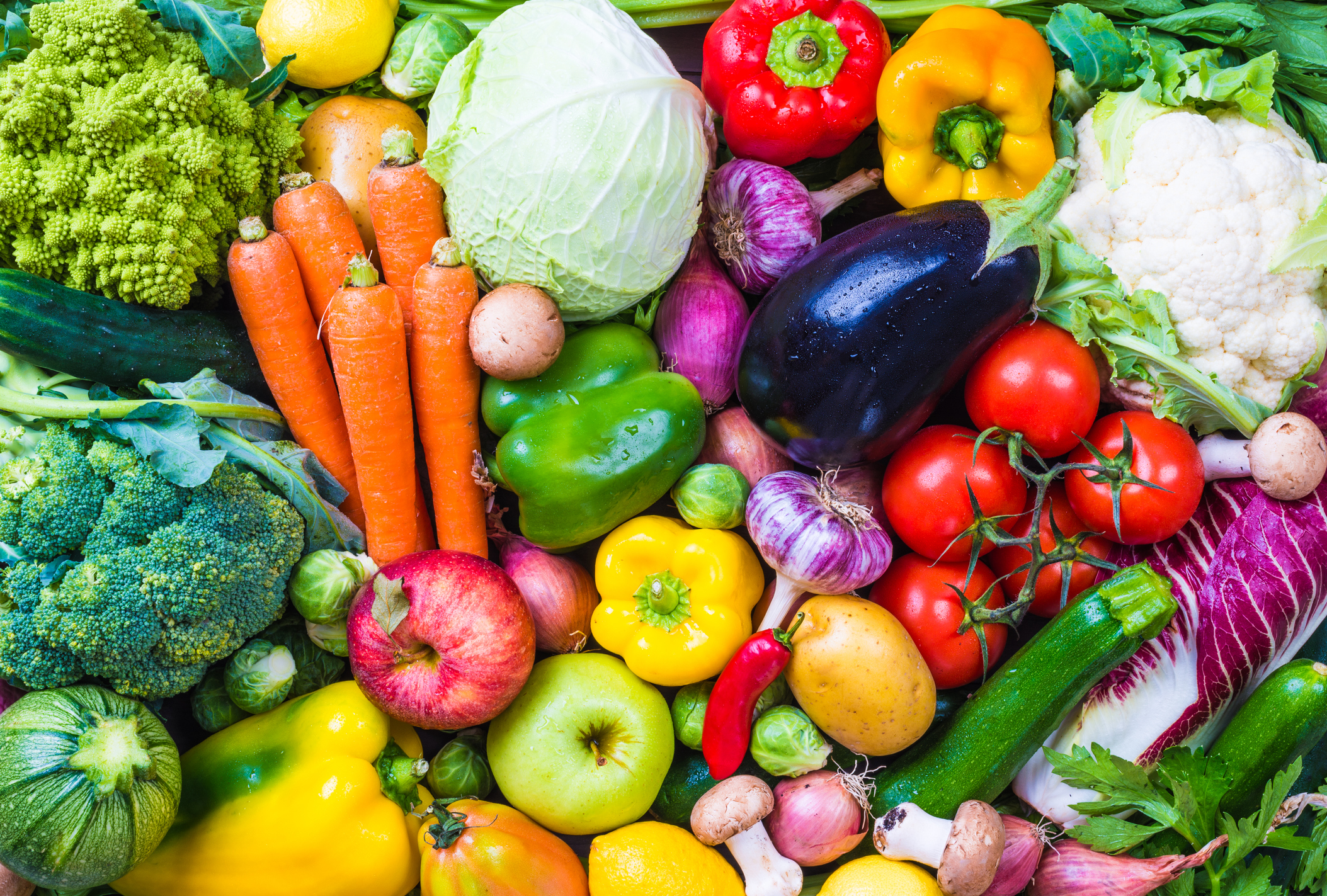
In the days of yore, when frugality was a virtue and nourishing meals were crafted from what nature provided, people knew the art of making the most of seasonal ingredients on a budget. Today, we can still embrace this wisdom and create delicious and nutritious meals without breaking the bank. By harnessing the power of seasonal produce and incorporating it into our daily cooking routines, we not only support local farmers but also savor the flavors that each season brings.
Spring heralds an abundance of vibrant greens like asparagus, spinach, and peas. These versatile vegetables can be used in a myriad of dishes – roasted asparagus with lemon zest, sautéed spinach with garlic or pea soup bursting with freshness are just a few ideas to whet your appetite. Spring is also synonymous with strawberries – their juicy sweetness makes them perfect for salads or desserts like strawberry shortcake.
As summer rolls around, gardens overflow with tomatoes, cucumbers, zucchini, and bell peppers. Take advantage by creating refreshing gazpacho soups or colorful vegetable stir-fries. The arrival of stone fruits like peaches and plums is cause for celebration – they shine in cobblers or simply enjoyed fresh over yogurt or ice cream.
Autumn’s bountiful harvest includes root vegetables such as carrots, potatoes, turnips, and squashes. These humble ingredients can be transformed into hearty stews or roasted to perfection alongside fragrant herbs like rosemary and thyme. Don’t forget about apples! Use them to make comforting pies or add slices to savory dishes for a touch of sweetness.
Winter might seem sparse at first glance but look closer; there are treasures waiting to be discovered! Citrus fruits like oranges and grapefruits bring brightness during these dark months – use their juice to create tangy dressings or infuse flavor into marinades. Winter greens like kale and Brussels sprouts pack nutritional punch; roast them until crispy or sauté with garlic and chili flakes for a side dish bursting with flavor.
To make the most of seasonal ingredients on a budget, it’s essential to plan your meals ahead. Take stock of what’s in season and build your shopping list accordingly. Visit local farmers’ markets where you can often find fresher produce at lower prices than supermarkets. Remember that buying in bulk or larger quantities can also save money in the long run, especially if you freeze or preserve excess ingredients for later use.
Additionally, get creative with your cooking techniques to minimize waste. For example, vegetable scraps like carrot tops or beet greens can be used to make pesto or added to soups and stocks for extra nutrients. Leftovers from one meal can become delicious components of another – leftover roasted chicken can be turned into a flavorful salad the next day.
In conclusion, making the most of seasonal ingredients on a budget is not only historically grounded but also an environmentally friendly way of eating healthily. By embracing each season’s offerings and planning our meals accordingly, we can savor the flavors nature provides while being mindful of our wallets. So let us honor the wisdom of our ancestors and embark on this culinary journey through seasons together!

Leave a Reply