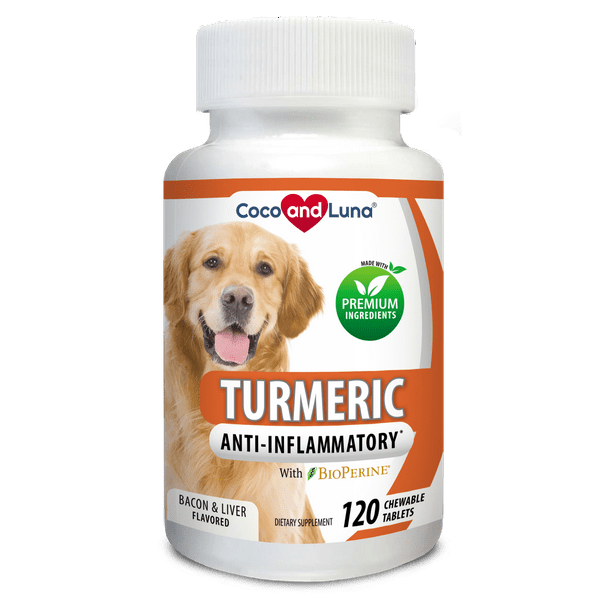
Turmeric, a vibrant yellow spice commonly used in Indian cuisine, has gained popularity for its potential health benefits. One of its most well-known properties is its ability to act as a natural anti-inflammatory agent. Inflammation is the body’s immune response to injury or infection, but chronic inflammation can lead to various health issues such as heart disease, arthritis, and even cancer. By incorporating turmeric into your diet, you may be able to reduce inflammation and promote overall well-being.
The active compound responsible for turmeric’s anti-inflammatory effects is called curcumin. Curcumin possesses powerful antioxidant properties that help neutralize free radicals in the body and prevent oxidative stress, which contributes to inflammation. It also inhibits certain enzymes involved in the inflammatory process, reducing the production of inflammatory molecules.
Several studies have shown promising results regarding turmeric’s anti-inflammatory effects. A meta-analysis published in 2016 reviewed multiple clinical trials and concluded that curcumin supplementation significantly reduced markers of inflammation such as C-reactive protein (CRP) and interleukin-6 (IL-6). Another study found that curcumin could alleviate symptoms of rheumatoid arthritis by reducing joint pain and swelling.
In addition to its direct impact on inflammation, turmeric may also support overall immune function. A strong immune system helps defend against infections and diseases by identifying and eliminating harmful pathogens from the body efficiently. Turmeric enhances the activity of immune cells like natural killer cells and T lymphocytes while modulating cytokine production—an essential factor for regulating immune responses.
To reap the benefits of turmeric as an anti-inflammatory agent, it’s important to incorporate it into your daily routine effectively. While adding a pinch or two of ground turmeric powder to dishes can add flavor and color, consuming it alone might not provide sufficient amounts of curcumin for noticeable effects. To enhance absorption, consider combining turmeric with black pepper or healthy fats like coconut oil. Piperine, a compound found in black pepper, enhances curcumin absorption by up to 2,000%. Alternatively, you can opt for turmeric supplements standardized for curcumin content.
It’s worth noting that while turmeric is generally safe for most people when consumed in moderation as a spice or supplement, high doses may cause digestive discomfort or interact with certain medications. If you have underlying health conditions or are taking medications regularly, it’s best to consult your healthcare provider before incorporating turmeric into your routine.
In conclusion, turmeric holds great potential as a natural anti-inflammatory agent due to its active compound curcumin. By reducing inflammation and oxidative stress in the body, turmeric may help prevent chronic diseases and support overall well-being. Whether used in cooking or taken as a supplement, ensure adequate curcumin absorption through methods like combining with black pepper or healthy fats. However, remember to exercise caution and seek medical advice if necessary before making significant changes to your diet or supplementation routine.

Leave a Reply