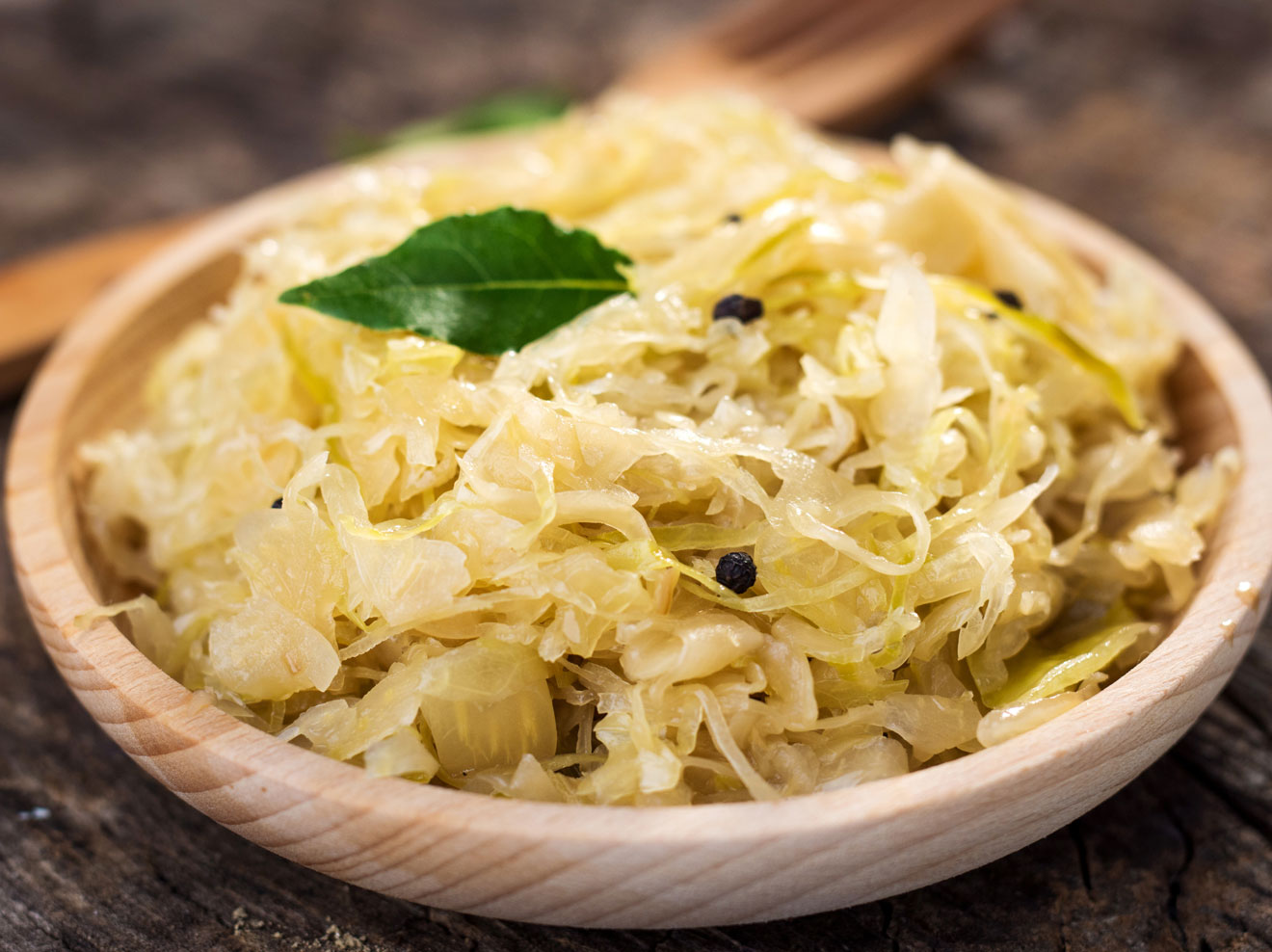
Sauerkraut: The Tangy and Nutritious Fermented Superfood
Introduction:
In recent years, there has been a growing interest in fermented foods for their numerous health benefits. Among them, sauerkraut stands out as a versatile and delectable option that has been enjoyed for centuries. This tangy and crunchy cabbage dish not only adds flavor to meals but also provides an array of nutritional advantages. In this deep-dive article, we will explore the history, preparation process, health benefits, and culinary uses of sauerkraut.
A Brief History:
The origins of sauerkraut can be traced back to Ancient China over 2,000 years ago when it was first used as a way to preserve cabbage during winter months. It later spread across Europe and gained popularity due to its long shelf life and high nutrient content. Sailors consumed it on long voyages because it prevented scurvy while German settlers introduced it to America in the 18th century.
Preparation Process:
Sauerkraut is made through a simple fermentation process that involves finely shredding cabbage before mixing it with salt. The salt draws out moisture from the cabbage creating an environment suitable for beneficial bacteria known as lactobacilli to thrive. These bacteria convert sugars into lactic acid which gives sauerkraut its signature tangy taste.
To make traditional sauerkraut at home, begin by selecting fresh firm heads of cabbage. Remove any outer leaves that are wilted or damaged before thoroughly rinsing the remaining heads under cold water. Slice or shred the cabbage using either a knife or mandoline slicer into thin ribbons or pieces.
Next, place the shredded cabbage in a large bowl adding salt gradually while massaging it into the leaves until they become soft and release liquid. Transfer this mixture along with its juices into clean jars leaving some headspace at the top for expansion. Press the cabbage down firmly using a spoon or your hands to eliminate air pockets and ensure all cabbage is submerged under its liquid. Cover the jars with a cloth or loosely fitting lid to allow for gases produced during fermentation to escape.
The jars should be kept at room temperature, away from direct sunlight, for about one to six weeks depending on personal preference. During this time, the lactobacilli bacteria will convert carbohydrates into lactic acid creating an acidic environment that prevents harmful bacteria from growing. Regularly check the sauerkraut’s taste and texture throughout the fermentation process until it reaches the desired level of tanginess.
Health Benefits:
Sauerkraut is not only delicious but also boasts an array of health benefits due to its probiotic nature and nutrient content. The fermentation process enhances its nutritional value by increasing levels of vitamins C, K, B6, and folate while promoting gut health through beneficial bacteria.
1. Rich in Probiotics: Sauerkraut contains live cultures such as lactobacilli which promote healthy digestion and strengthen the immune system by populating the gut with beneficial bacteria.
2. Improved Digestion: The enzymes produced during fermentation help break down food more efficiently, aiding digestion and nutrient absorption.
3. Boosted Immunity: The high vitamin C content in sauerkraut supports immune function while stimulating collagen production for healthier skin.
4. Reduced Inflammation: Sauerkraut’s anti-inflammatory properties have been linked to improved joint health and reduced risk of chronic diseases like heart disease and cancer.
5. Weight Management: Low in calories yet high in fiber, sauerkraut helps promote satiety while supporting weight loss efforts by reducing cravings for unhealthy snacks.
Culinary Uses:
Sauerkraut is incredibly versatile when it comes to culinary applications; it can be enjoyed on its own or incorporated into various dishes:
1. Traditional Pairings: Sauerkraut is commonly paired with sausages, pork, and potatoes in Eastern European cuisines like German and Polish.
2. Sandwiches and Wraps: Add a tangy kick to your sandwiches or wraps by including sauerkraut as a filling alongside meats, cheese, or plant-based alternatives.
3. Salads: Toss some sauerkraut into your salads for added texture and flavor. It pairs well with ingredients like apples, carrots, and nuts.
4. Fermented Slaw: Combine shredded cabbage with sauerkraut for a double dose of fermented goodness in coleslaw recipes.
5. Stir-fries and Rice Dishes: Sautéed with vegetables or mixed into fried rice dishes, sauerkraut adds complexity to these savory creations.
Conclusion:
Sauerkraut’s unique combination of tanginess, crunchiness, and nutritional benefits makes it an exceptional addition to any diet. With its rich history dating back centuries along with the ease of preparation at home, incorporating this fermented superfood into your meals can be both enjoyable and beneficial for overall health. So why not embark on a culinary adventure by exploring the world of sauerkraut? Your taste buds (and gut) will thank you!

Leave a Reply