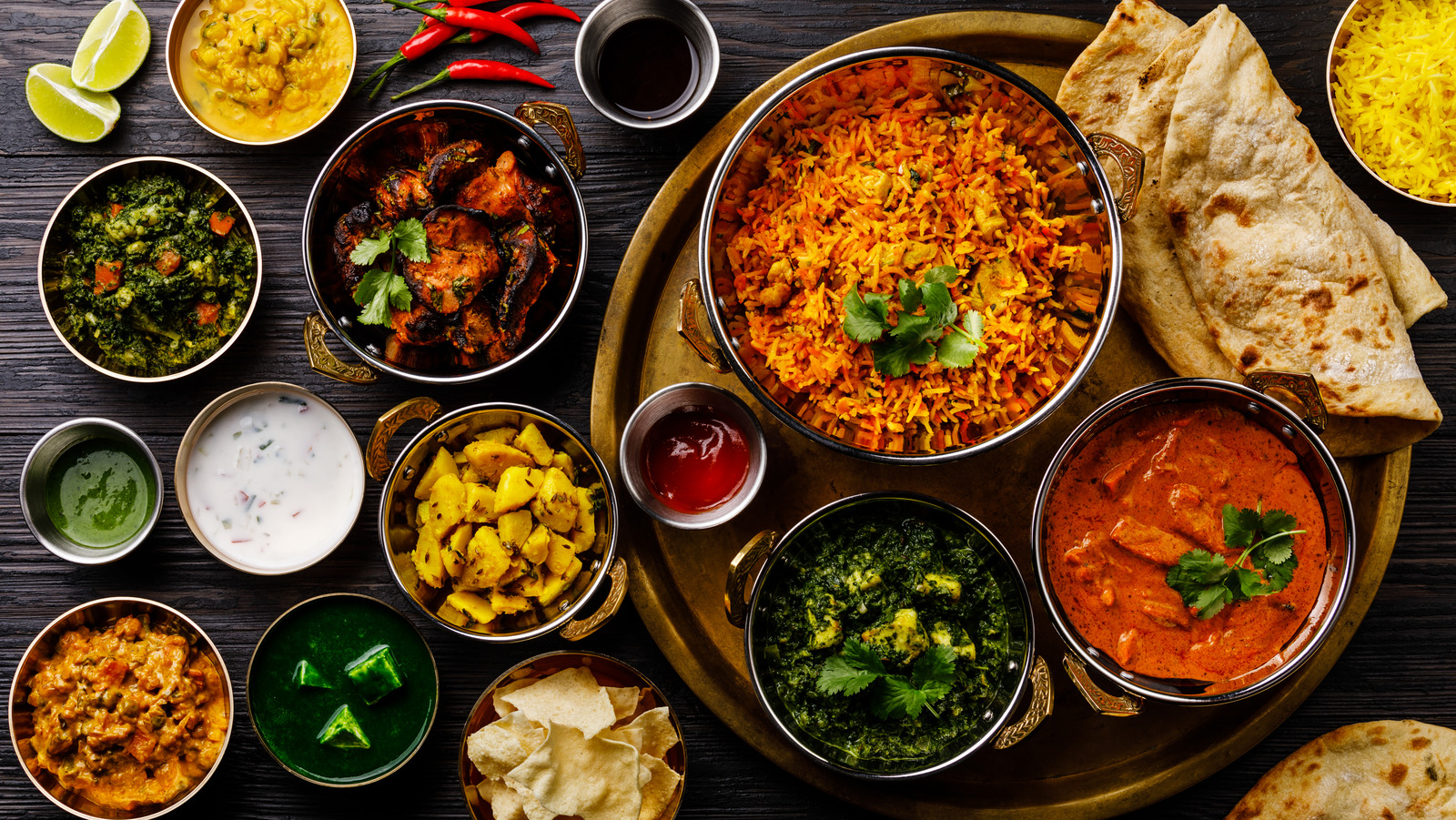
Namaste! Welcome to the vibrant and diverse world of Indian cuisine. India is not only known for its rich history and colorful traditions but also for its delectable food. The Indian diet is a treasure trove of flavors, spices, and aromatic herbs that not only tantalize your taste buds but also provide numerous health benefits. In this newsletter, we will explore some key aspects of healthy eating in India.
One of the defining features of Indian cuisine is its emphasis on plant-based ingredients. Vegetables, legumes, grains, and fruits form the foundation of most meals. This makes Indian food naturally high in fiber, vitamins, minerals, and antioxidants. Lentils such as masoor dal (red lentils) or moong dal (split mung beans) are excellent sources of protein with low-fat content.
Spices play a crucial role in Indian cooking both for their flavor-enhancing properties and health benefits. Turmeric contains curcumin, a powerful anti-inflammatory compound that has been linked to various health benefits like reducing the risk of chronic diseases including heart disease and cancer. Ginger aids digestion and helps alleviate nausea while cinnamon helps regulate blood sugar levels.
Indian cuisine offers a wide variety of vegetarian options making it an ideal choice for those following a plant-based diet or looking to reduce their meat consumption. Dishes like chana masala (spiced chickpeas), saag paneer (spinach with cottage cheese), or baingan bharta (roasted eggplant curry) are not only delicious but also packed with essential nutrients.
While ghee (clarified butter) has historically been used in many traditional recipes, there are plenty of healthier alternatives available today as well. For instance, you can use coconut oil or mustard oil instead which have been found to have numerous health benefits due to their medium-chain fatty acids content.
When it comes to beverages in India, one cannot ignore the popularity of herbal teas like masala chai and turmeric milk. These drinks are not only soothing but also offer several health-promoting properties. The spices used in these beverages, such as cardamom, cloves, and black pepper, have antioxidant and anti-inflammatory effects.
However, it’s important to note that the Indian diet is diverse and can vary greatly from region to region. Each state has its own signature dishes and cooking styles. For instance, South Indian cuisine is known for its extensive use of rice along with coconut-based curries like sambar (lentil soup) or rasam (spiced tomato soup). North Indian cuisine often includes wheat-based bread like roti or naan served with rich gravies and tandoori meats.
In conclusion, Indian cuisine offers a plethora of healthy eating options that are both delicious and nutritious. With its focus on plant-based ingredients, abundant spices, and flavorful herbs, it provides a balanced diet rich in essential nutrients. So why not embark on a culinary adventure through India’s diverse flavors while nourishing your body at the same time? Enjoy exploring the wonderful world of healthy eating in India!

Leave a Reply