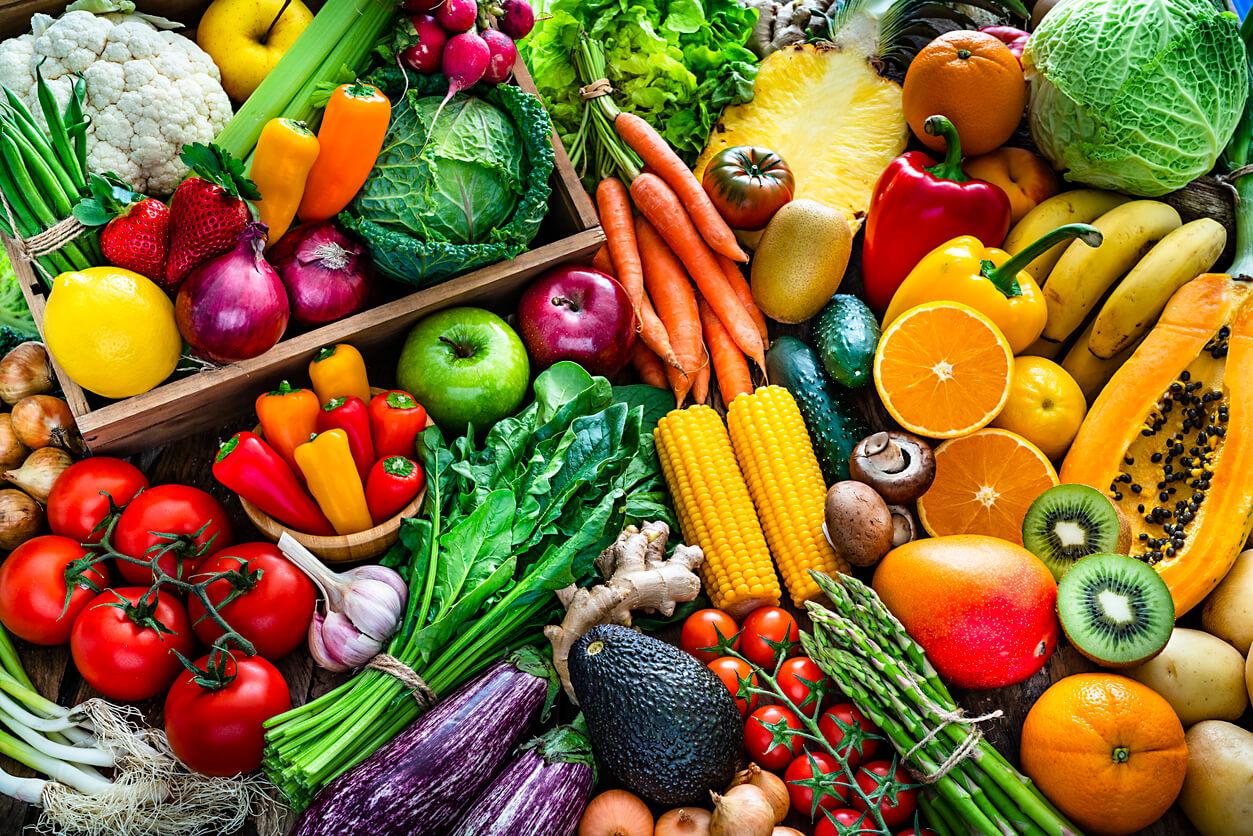
Sustainable farming practices for seasonal produce
In recent years, there has been a growing emphasis on sustainable farming practices to meet the demand for seasonal produce. Sustainable agriculture aims to minimize the negative impact on the environment while ensuring long-term productivity and profitability. When it comes to seasonal produce, farmers are adopting various strategies to cultivate crops in harmony with nature.
One approach is organic farming, which avoids synthetic pesticides and fertilizers. Instead, natural methods like crop rotation, composting, and biological pest control are used. This not only helps maintain soil health but also reduces chemical runoff into water sources, preserving aquatic ecosystems.
Another practice gaining popularity is regenerative agriculture. It focuses on improving soil health by increasing organic matter content and enhancing biodiversity through cover cropping or mixed planting techniques. Regenerative farming promotes carbon sequestration in the soil and mitigates climate change by reducing greenhouse gas emissions.
Furthermore, some farmers employ precision agriculture techniques using advanced technology like GPS mapping and drones to optimize resource usage. This includes precise irrigation systems that conserve water and reduce waste.
The benefits of eating locally sourced seasonal foods
Choosing locally sourced seasonal foods offers numerous benefits for both individuals and communities as a whole. Firstly, local produce is fresher since it doesn’t have to travel long distances before reaching your plate. This means it retains more nutrients compared to imported fruits and vegetables that may spend days or even weeks in transit.
Moreover, purchasing local seasonal foods supports local farmers and boosts the regional economy. By buying directly from producers at farmer’s markets or joining Community Supported Agriculture (CSA) programs, consumers can establish a direct connection with those who grow their food while fostering community relationships.
Seasonal eating also encourages diversity in our diets as we adapt our meals based on what nature provides throughout the year. By consuming a wide range of fruits and vegetables during their peak season, we gain access to an array of flavors, textures, colors along with their associated nutritional benefits.
Seasonal eating and its impact on the environment
Embracing seasonal eating practices can significantly reduce our carbon footprint and contribute to a more sustainable food system. When we eat seasonally, we rely less on long-distance transportation of food, which requires significant energy consumption and contributes to greenhouse gas emissions.
Imported foods often travel thousands of miles by plane or ship, burning fossil fuels along the way. By choosing locally sourced seasonal foods, we decrease the demand for such transportation methods and consequently lower our environmental impact.
In addition, seasonal eating promotes biodiversity. It encourages farmers to cultivate a wider variety of crops since they are not limited to producing only those that can withstand long journeys. This diversification helps protect against crop diseases and supports pollinator populations by providing them with diverse sources of nectar throughout the year.
Furthermore, seasonal eating reduces water usage as it favors crops that grow naturally in specific seasons rather than relying heavily on irrigation systems that require substantial amounts of water.
How to preserve and store seasonal produce for year-round consumption
Preserving and storing seasonal produce allows us to enjoy their flavors and nutritional benefits even when they are out of season. Here are some effective methods:
1. Freezing: Many fruits and vegetables can be blanched briefly before freezing in airtight containers or freezer bags. This method preserves their taste, texture, and nutrients.
2. Canning: Fruits like berries or peaches can be preserved in jars using sugar syrup or fruit juice while vegetables like tomatoes can be transformed into sauces or salsas.
3. Drying: Certain fruits like apples or grapes lend themselves well to drying techniques such as air drying or using a dehydrator.
4. Fermenting: Vegetables like cabbage (for sauerkraut) or cucumbers (for pickles) can be fermented using saltwater brine solutions.
5. Making jams/jellies: Preserve fruits by cooking them with sugar and pectin to create delicious spreads.
6. Pickling: Preserve vegetables by soaking them in vinegar or brine solutions.
Seasonal eating for weight management and healthy weight loss
Incorporating seasonal foods into your diet can be a valuable tool for weight management and healthy weight loss. Seasonal fruits and vegetables are often lower in calories compared to processed foods, making them an excellent choice for those looking to reduce their calorie intake.
Additionally, seasonal produce is rich in fiber, which promotes satiety and helps control appetite. Fiber also aids digestion by improving bowel movements and preventing constipation.
Moreover, the abundance of vitamins, minerals, and antioxidants found in seasonal fruits and vegetables supports overall health while providing essential nutrients without excess calories. These nutrients help maintain energy levels throughout the day while supporting a balanced diet.
Seasonal eating also encourages mindfulness around food choices as it prompts us to tune into our body’s natural cravings. By listening to what our bodies need during different seasons, we can make healthier choices that align with our nutritional requirements.
Seasonal eating and its connection to cultural traditions
Seasonal eating is deeply rooted in cultural traditions around the world. Different regions have long-standing practices related to harvesting specific crops during particular seasons.
For example, harvest festivals celebrate bountiful yields at certain times of the year. In Japan, cherry blossom season marks the arrival of spring when people gather beneath blooming trees for Hanami picnics featuring traditional foods like sushi rolls filled with fresh fish or sakura-flavored sweets made from cherry blossoms.
In India, various festivals like Pongal or Makar Sankranti celebrate the winter harvest season where freshly harvested rice is used to prepare traditional dishes such as pongal (a savory rice dish) or tilgul ladoos (sweet sesame balls).
These cultural connections highlight how seasonal eating not only nourishes our bodies but also strengthens communal ties through shared culinary practices and celebrations.
The nutritional advantages of consuming seasonal fruits and vegetables
Seasonal fruits and vegetables offer numerous nutritional advantages compared to their out-of-season counterparts. Firstly, they are usually harvested when fully ripened, ensuring optimal nutrient content. This means they often contain higher levels of vitamins, minerals, antioxidants, and phytochemicals that contribute to overall health.
Additionally, seasonal produce is typically fresher since it hasn’t undergone prolonged storage or transportation. This freshness translates into enhanced flavor profiles as well as increased nutritional value.
For instance, studies have shown that freshly picked strawberries have higher levels of vitamin C compared to those stored for longer periods. Similarly, spinach harvested in its peak season contains more folate than spinach consumed during other times of the year.
Furthermore, consuming a variety of seasonal fruits and vegetables allows us to benefit from nature’s diverse nutrient offerings throughout the year. Different crops provide unique combinations of vitamins like A or C along with essential minerals such as potassium or magnesium.
By embracing seasonal eating habits and incorporating a wide range of fresh produce into our diets, we can ensure we receive a broad spectrum of nutrients necessary for optimum health.
Seasonal eating for immune system support
Eating seasonally can play an important role in supporting our immune system. Many seasonal fruits and vegetables are packed with immune-boosting nutrients like vitamin C, beta-carotene (which converts to vitamin A), zinc, selenium, and antioxidants.
Citrus fruits such as oranges or grapefruits are abundant during winter months when colds and flu tend to be prevalent. These fruits are rich in vitamin C which helps strengthen the immune system by promoting the production of white blood cells that fight off infections.
During autumn months when root vegetables like carrots or sweet potatoes come into season, we can benefit from their high beta-carotene content. Beta-carotene is converted into vitamin A in our bodies which supports healthy mucous membranes lining our respiratory tract, acting as a barrier against pathogens.
Furthermore, seasonal herbs and spices like garlic, ginger, or turmeric have antimicrobial properties that can aid in fighting off infections. Including these ingredients in our cooking during their respective seasons can provide an extra immune system boost.
Incorporating seasonal herbs and spices into your diet
Seasonal eating extends beyond fruits and vegetables to include an array of herbs and spices that add flavor, aroma, and health benefits to our meals. Here are some popular examples:
1. Basil: A fragrant herb abundant during the summer months that adds a fresh taste to salads or pasta dishes.
2. Cinnamon: Often associated with fall flavors, cinnamon is versatile and can be used in both sweet and savory dishes.
3. Dill: This herb thrives during spring and summer seasons, adding a refreshing tang to seafood or salad dressings.
4. Rosemary: Known for its woody aroma, rosemary is commonly used in winter recipes such as roasted vegetables or hearty stews.
5. Turmeric: With its vibrant orange color, turmeric contains curcumin which has anti-inflammatory properties. It pairs well with Indian-inspired dishes.
By incorporating these seasonal herbs and spices into our cooking throughout the year, we not only enhance the taste of our food but also benefit from their unique medicinal qualities.
Seasonal eating for improved digestion and gut health
Eating seasonally can promote improved digestion and gut health due to several factors. Firstly, seasonal produce is often fresher which means it retains more fiber content compared to processed foods found out-of-season.
Fiber plays a crucial role in maintaining digestive regularity by adding bulk to stool while facilitating bowel movements. It also acts as a prebiotic – nourishing beneficial bacteria residing within our intestines.
Moreover, seasonal fruits and vegetables contain enzymes that aid digestion by breaking down complex carbohydrates into simpler forms for absorption by the body.
For example, papaya and pineapple, commonly available during summer months, contain enzymes like papain and bromelain respectively. These enzymes assist in breaking down proteins and can be particularly helpful for those with digestive issues.
The high water content found in many seasonal fruits and vegetables also aids digestion by preventing constipation and promoting hydration, which is essential for maintaining a healthy gut.
The role of seasonal eating in reducing food waste
One major advantage of embracing seasonal eating is its potential to reduce food waste. When we prioritize consuming locally sourced produce that is in season, we align our consumption patterns with nature’s natural abundance.
By choosing foods that are readily available during specific times of the year, we decrease the demand for out-of-season produce that often requires long-distance transportation or greenhouse cultivation methods to meet consumer preferences.
Reducing reliance on imported produce that may not be suited for local climates or growing conditions helps minimize food waste caused by crop spoilage or damage during transit.
Additionally, when consumers actively support local farmers through direct purchases at farmer’s markets or CSA programs, they contribute to a more sustainable food system. This enables farmers to plan their production based on actual demand rather than overproducing crops destined for waste due to market fluctuations.
Seasonal meal planning tips and strategies
Meal planning around seasonal ingredients can help us make the most of what nature provides throughout the year while ensuring balanced nutrition. Here are some tips:
1. Stay informed: Familiarize yourself with which fruits and vegetables are currently in season in your region.
2. Plan ahead: Create weekly menus based on seasonal availability.
3. Explore recipes: Look for recipe inspiration using specific seasonal ingredients you want to incorporate into your meals.
4. Batch cooking: Prepare larger quantities of meals using seasonal ingredients so you can have ready-made options throughout the week.
5. Preserve excess produce: If you come across an abundance of a particular fruit or vegetable while it’s in season, consider preserving it for later use using freezing, canning, or drying methods.
6. Experiment with flavors: Embrace the unique tastes and flavors of seasonal produce to diversify your meals.
By incorporating these strategies into our meal planning routines, we can enjoy a wide range of seasonal dishes while optimizing our nutritional intake.
Seasonal smoothie recipes using fresh ingredients
Smoothies provide an excellent opportunity to incorporate seasonal fruits and vegetables into our diets while enjoying refreshing beverages. Here are two simple recipes showcasing seasonal ingredients:
1. Summer Berry Blast:
– 1 cup fresh strawberries
– 1 cup fresh raspberries
– ½ cup Greek yogurt
– 1 banana
– ½ cup almond milk (or any preferred liquid)
– Optional: A handful of ice cubes
Blend all ingredients until smooth and creamy for a delightful summer treat loaded with antioxidants and fiber.
2. Winter Spice Delight:
– 1 large apple (cored and chopped)
– ½ cup cooked sweet potato (cooled)
– ¼ tsp cinnamon
– Pinch of nutmeg
– 1 tbsp almond butter
– 1 cup unsweetened coconut milk (or any preferred liquid)
Combine all ingredients in a blender and blend until velvety smooth. This warming winter smoothie provides nutrients like vitamin C, potassium, and dietary fiber.
Exploring lesser-known seasonal fruits and vegetables
Seasonal eating allows us to discover lesser-known fruits and vegetables that might not be as readily available throughout the year. Exploring these options not only expands our palate but also exposes us to diverse nutrient profiles.
For instance, during the fall season, persimmons make their appearance – a fruit rich in vitamins A, C, E along with dietary fibers that support digestive health.
In late spring or early summer months, fiddlehead ferns pop up in certain regions – a unique vegetable packed with antioxidants like vitamin C as well as minerals such as iron and potassium.
By seeking out these lesser-known seasonal gems, we can broaden our culinary horizons while enjoying the nutritional benefits they offer.
The impact of seasonality on the taste and flavor of foods
Seasonality has a significant impact on the taste and flavor of foods. Fruits and vegetables that are harvested in their peak season tend to have superior flavors compared to those grown out-of-season or artificially ripened.
For example, tomatoes picked during summer months when they are truly ripe from sun exposure possess an unmatched sweetness that is absent in off-season tomatoes that may be firm but lack depth of flavor.
Similarly, locally grown strawberries consumed during spring or early summer offer an intense burst of sweetness and juiciness compared to imported varieties which often sacrifice taste for longevity during transportation.
The natural ripening process that occurs when fruits and vegetables mature on the plant allows them to develop complex flavors due to interactions between sugars, acids, and aromatic compounds. This results in a more nuanced eating experience for consumers who choose seasonal produce.
Seasonal cooking techniques and methods
Seasonal cooking techniques can enhance the flavors of fresh ingredients while preserving their nutritional value. Here are some popular methods:
1. Grilling: Perfect for summer months when outdoor gatherings take place, grilling adds smoky charred notes to vegetables like zucchini or bell peppers.
2. Roasting: Suitable for autumnal root vegetables such as carrots or parsnips where roasting brings out their natural sweetness.
3. Steaming: A gentle method that helps retain nutrients without adding extra fats or oils – ideal for delicate spring greens like asparagus or spinach.
4. Stir-frying: Quick-cooking technique using high heat which preserves textures while maintaining vibrant colors found in stir-fried snow peas or bok choy.
5. Raw preparations: In warmer months when abundant produce is crisp and refreshing, raw preparations such as salads showcase their natural flavors best.
By adapting our cooking techniques to align with seasonal ingredients, we can make the most of their unique qualities and enjoy meals bursting with taste and vitality.
The link between seasonal eating and mental well-being
Seasonal eating has been linked to improved mental well-being due to various factors. Firstly, consuming fresh, nutrient-dense fruits and vegetables supports brain health by providing essential vitamins, minerals, antioxidants, and omega-3 fatty acids.
These nutrients contribute to optimal cognitive function while protecting against oxidative stress that can lead to mental decline or mood disorders.
Additionally, the variety of flavors offered by seasonal produce stimulates our senses and contributes to a more enjoyable dining experience. The vibrant colors found in different fruits and vegetables can uplift our mood visually while their aromas add an extra dimension of pleasure.
Furthermore, embracing seasonal eating fosters a deeper connection with nature as we become attuned to its cycles. This connection promotes mindfulness around food choices, encourages gratitude for the bounties provided by each season, and enhances overall emotional well-being.
How to adapt recipes to incorporate seasonal ingredients
Adapting recipes is a creative way to incorporate seasonal ingredients into your favorite dishes. Here are some tips:
1. Substitute out-of-season produce: Replace out-of-season fruits or vegetables called for in a recipe with those currently in season.
2. Modify cooking times: Adjust cooking times if using different textures or densities found in alternative seasonal ingredients.
3. Experiment with flavors: Incorporate complementary herbs or spices that pair well with the chosen ingredient.
4. Be open-minded: Embrace experimentation when adapting recipes – it may lead you to discover new flavor combinations you love!
By adapting recipes according to what’s available during each season, we ensure freshness while maximizing nutrition content without compromising on taste.
The role of antioxidants in seasonal produce
Seasonal produce is often rich in antioxidants which play a vital role in promoting good health through various mechanisms. Antioxidants help neutralize harmful free radicals in our bodies, preventing oxidative stress and reducing the risk of chronic diseases.
Different fruits and vegetables contain varying types and amounts of antioxidants. For example, berries like blueberries or blackberries are known for their high levels of anthocyanins, powerful antioxidants that contribute to their vibrant colors as well as health benefits.
Leafy greens such as kale or spinach provide abundant antioxidants like vitamin C, beta-carotene, and flavonoids which protect against cellular damage caused by free radicals.
By embracing seasonal eating habits that incorporate a wide range of colorful fruits and vegetables throughout the year, we can ensure a diverse intake of antioxidants that support overall well-being.
Seasonal eating on a budget
Contrary to popular belief, seasonal eating can be cost-effective if approached strategically. Here’s how you can enjoy the benefits of seasonal produce without breaking the bank:
1. Shop at farmer’s markets: Local farmers’ markets often offer competitive prices for fresh seasonal produce since there is no middleman involved.
2. Join Community Supported Agriculture (CSA) programs: By subscribing to CSA programs, you receive regular deliveries of fresh local produce directly from farmers.
3. Buy in bulk during peak seasons: When certain fruits or vegetables are abundant during their peak season, consider buying larger quantities and preserving them for later use through freezing or canning methods.
4. Grow your own food: If possible, start a small garden or grow herbs on your windowsill to supplement your diet with homegrown produce.
5. Compare prices at grocery stores: Check prices at different supermarkets or grocery stores to find the best deals on

Leave a Reply