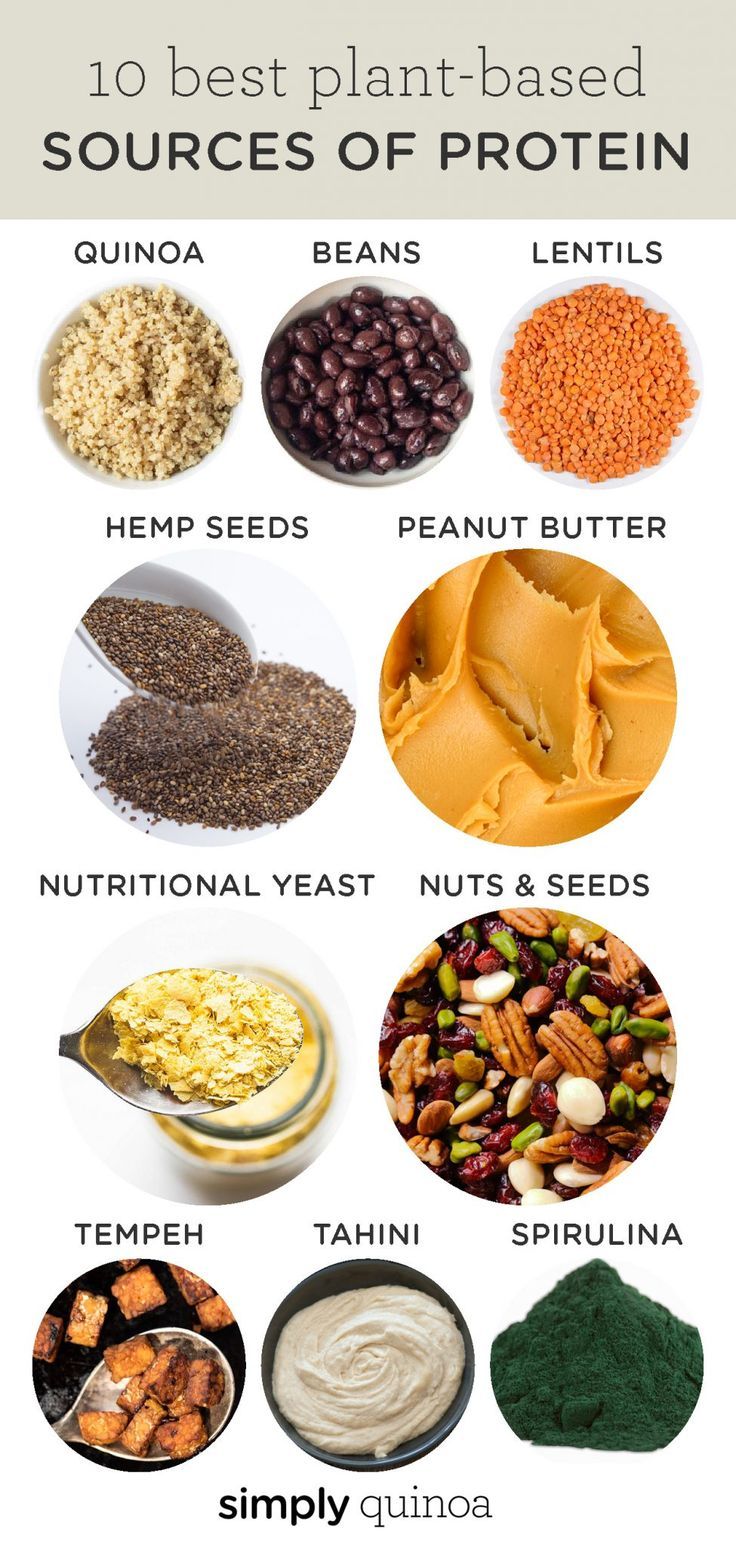
Plant-based Protein Sources: A Comprehensive Guide to Boosting Your Health
Introduction:
In recent years, there has been a surge in interest and adoption of plant-based diets. Whether you are a vegetarian, vegan, or simply looking to incorporate more plant-based foods into your diet, it is crucial to ensure that you are getting an adequate amount of protein. Contrary to popular belief, plant-based protein sources can provide all the essential amino acids necessary for optimal health. In this comprehensive guide, we will explore various plant-based protein sources and their nutritional benefits.
Legumes:
Legumes are the go-to choice when it comes to plant-based proteins. They include beans (such as black beans, kidney beans, and chickpeas), lentils (red lentils, green lentils), peas (green peas and split peas), and soybeans. Legumes offer not only a substantial amount of protein but also fiber, vitamins (like folate), minerals (such as iron and magnesium), antioxidants, and phytochemicals.
One cup of cooked lentils contains approximately 18 grams of protein while one cup of cooked black beans delivers around 15 grams. Incorporating legumes into your meals could be as simple as adding them to salads or soups or using pureed legumes as a base for dips like hummus.
Nuts and Seeds:
Nuts and seeds are nutrient powerhouses that provide healthy fats along with proteins. Almonds, walnuts, cashews, pistachios, chia seeds hemp seeds flaxseeds pumpkin seeds sesame seeds sunflower seeds are just some examples of nuts/seeds rich in both nutrients.
A quarter-cup serving of almonds provides about 7 grams of protein; similarly sized servings from other nuts will deliver similar amounts. Chia seeds boast nearly 5 grams per two tablespoons serving while flaxseeds contain around six grams per two tablespoons serving.
These versatile ingredients can be incorporated into your diet in a multitude of ways. Nuts and seeds can be sprinkled on top of salads, blended into smoothies, or used as the base for delicious homemade energy bars.
Whole Grains:
While most people associate whole grains with carbohydrates, they are also excellent sources of plant-based proteins. Whole grains like quinoa, brown rice, oats, barley, farro amaranth contain varying amounts of protein that make them great choices for those following a plant-based diet.
Quinoa stands out among its grain counterparts by being considered a complete protein source. A one-cup serving contains approximately 8 grams of protein along with essential amino acids that our bodies need but cannot produce themselves. Incorporating whole grains into meals is easy; you can use them as a side dish or as the base for hearty grain bowls loaded with vegetables and legumes.
Soy Products:
Soybeans and soy products have long been recognized as valuable sources of plant-based proteins. Foods such as tofu tempeh edamame and soy milk are derived from soybeans and offer high-quality protein along with other nutrients like calcium iron and vitamin B12.
A half-cup serving of tofu provides around 10 grams of protein while an equal portion of tempeh delivers roughly 15 grams. Soybean-based meat alternatives like veggie burgers sausages and deli slices also contribute to your daily protein intake.
Leafy Greens:
Leafy greens may not be the first thing that comes to mind when thinking about protein sources; however certain greens do contain notable amounts. Spinach kale collard greens watercress broccoli rabe are some examples rich in both fiber vitamins minerals antioxidants and yes even proteins!
One cup cooked spinach offers approximately 5 grams of protein while one cup cooked kale provides around 3 grams. While leafy greens alone may not fulfill all your daily protein needs they play an important role in providing additional nutrients alongside other protein-rich foods.
Seitan and Other Meat Substitutes:
If you are looking for a meat alternative that closely mimics the texture and flavor of animal products, seitan might be your answer. Made from wheat gluten, it is often used as a substitute for meat in various dishes like stir-fries stews or even as deli slices.
Seitan has an impressive protein content; 100 grams of seitan contains around 25 grams! This makes it one of the highest sources of plant-based protein available. However, if you have gluten sensitivities or allergies, this option may not be suitable for you.
Other meat substitutes on the market include tempeh (made from fermented soybeans), tofu (derived from coagulated soy milk), and pea protein-based alternatives. These options offer different textures and flavors while providing substantial amounts of plant-based proteins to support your dietary needs.
Combining Protein Sources:
While each individual plant-based protein source provides valuable nutrition, combining multiple sources can optimize amino acid profiles. By pairing legumes with grains or nuts/seeds with whole grains, you can create complete proteins that provide all essential amino acids necessary for overall health.
For example, enjoying a lentil curry served over quinoa or tossing chickpeas into a salad with quinoa will ensure that you receive all essential amino acids in one meal. Experimenting with various combinations will not only enhance taste but also boost nutritional value.
Conclusion:
The growing popularity of plant-based diets has led to increased awareness about the importance of obtaining sufficient protein from non-animal sources. Fortunately, there is an abundance of options available to meet these needs without compromising on nutrition or taste.
By incorporating legumes, nuts/seeds, whole grains, soy products leafy greens seitan and other meat substitutes into your diet while ensuring proper combination you can easily achieve your recommended daily intake of protein along with essential vitamins minerals fiber antioxidants and phytochemicals.
Remember, it’s always beneficial to consult with a registered dietitian or nutritionist when making significant dietary changes. They can provide personalized guidance and assist in developing a well-balanced meal plan that meets your individual needs.

Leave a Reply