Caves are not just mysterious and intriguing geological formations, but they also hold great importance in terms of healthy eating. Although caves may not seem like an obvious topic for a healthy eating website, they have played a significant role in the evolution of human dietary patterns and continue to offer unique food sources even today. From providing shelter to early humans to preserving certain foods through natural processes, caves have been instrumental in shaping our diets throughout history.
One of the key ways caves have influenced healthy eating is through their role as natural refrigerators. In ancient times, before the invention of modern refrigeration techniques, people would use caves to store perishable foods such as meat, fruits, and vegetables. The cool and stable temperature inside caves helped slow down the process of spoilage, allowing these foods to last longer without the need for artificial preservation methods.
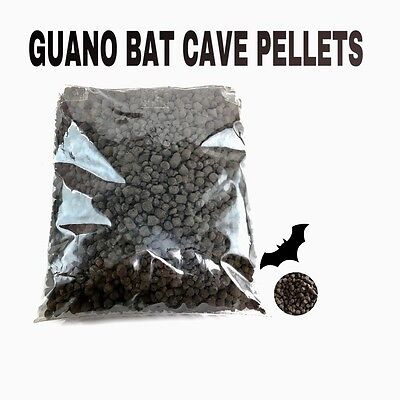
Furthermore, some types of caves contain special conditions that promote the growth of specific beneficial organisms. For example, certain caves house colonies of bats that produce guano (bat excrement). While it may sound unappetizing at first glance, guano is actually rich in nutrients and serves as an excellent fertilizer for crops. Farmers who collect guano from cave systems can enrich their soil naturally without relying on synthetic fertilizers or chemicals.
Additionally, there are unique cave environments known as “cave gardens” where specialized plants grow under low light conditions using organic material brought into the cave by animals or water flow. These plants often exhibit higher levels of antioxidants due to their adaptation to low light conditions. Some examples include wild garlic and ferns which can be foraged sustainably from cave environments while adding nutritious diversity to our diets.
Another interesting aspect related to caves and healthy eating is the presence of mineral-rich spring waters within them. Many underground streams flow through limestone formations present in some caves which results in water enriched with minerals like calcium and magnesium. These mineral-rich waters can provide health benefits when consumed or used for cooking, as they contribute to maintaining healthy bones, teeth, and overall mineral balance in the body.
Lastly, caves have also served as sources of wild food for early humans. People would venture into caves to hunt small game animals or gather edible plant materials like mushrooms and mosses that grew within them. These natural foods provided essential nutrients needed for survival and contributed to a diverse diet.
In conclusion, while caves may not seem directly related to healthy eating at first glance, their influence on our dietary patterns throughout history cannot be ignored. From acting as natural refrigerators to providing unique food sources like guano and cave-grown plants, caves have played an important role in shaping our diets. Exploring this connection between caves and healthy eating allows us to appreciate the fascinating ways nature has provided sustenance for humans over time.

Leave a Reply