Prebiotic Properties for Gut Health
When it comes to maintaining a healthy gut, we often hear about the importance of probiotics. These beneficial bacteria have been widely recognized for their role in promoting digestive health. However, there is another key component that shouldn’t be overlooked: prebiotics.
Prebiotics are non-digestible fibers that serve as food for the friendly bacteria residing in our gut. They act as stimulants, encouraging the growth and activity of these beneficial microorganisms. While probiotics introduce good bacteria into our system, prebiotics provide nourishment to support their survival and colonization.
One of the main benefits of prebiotics is their ability to improve digestion. By enhancing the growth of beneficial bacteria like Bifidobacteria and Lactobacilli, they help maintain a healthy balance in our gut microbiota. This balance is crucial for proper digestion and absorption of nutrients from the foods we consume.
In addition to improving digestion, prebiotics also play a vital role in supporting overall gut health. They can strengthen the intestinal barrier by increasing the production of short-chain fatty acids (SCFAs), such as butyrate. SCFAs are essential for maintaining a healthy colon lining and reducing inflammation within the digestive tract.
Moreover, prebiotics have been linked to various other health benefits beyond just gut health alone. Research suggests that they may enhance immune function by influencing immune cell activity and reducing inflammation throughout the body. Additionally, some studies have shown potential effects on weight management by helping regulate appetite hormones and improving satiety.
So where can you find these valuable compounds? Prebiotics are naturally present in certain types of fiber-rich foods such as onions, garlic, leeks, Jerusalem artichokes, chicory root, bananas (especially green ones), whole grains, legumes (like lentils and chickpeas), and certain fruits like apples and pears.
Incorporating these prebiotic-rich foods into your diet is a simple and effective way to support your gut health. However, keep in mind that some people may experience digestive discomfort when consuming larger amounts of certain prebiotics, particularly those with irritable bowel syndrome (IBS) or other gastrointestinal conditions. It’s always best to listen to your body and make adjustments as needed.
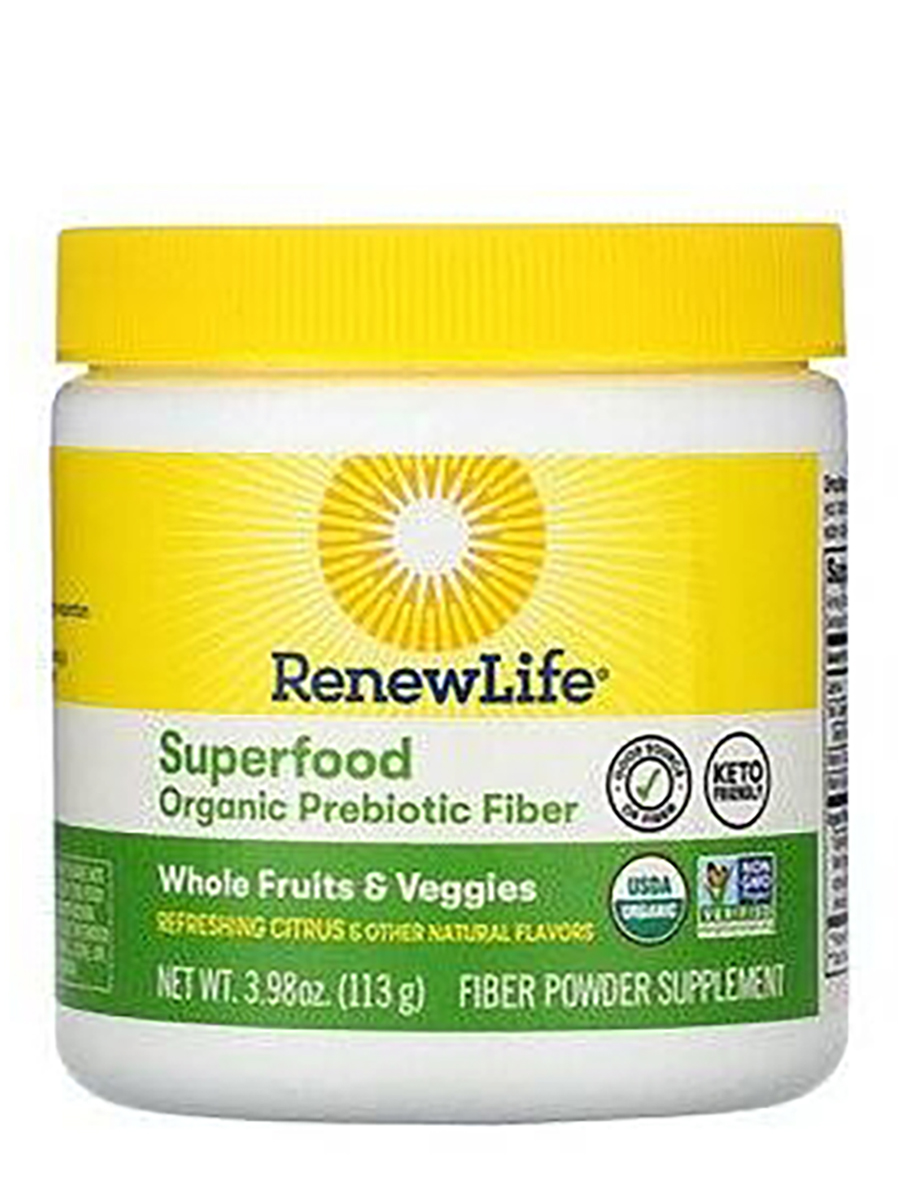
If you’re unable to consume enough prebiotics through your diet alone, there are also supplements available on the market. These supplements typically contain specific types of prebiotic fibers like inulin or fructooligosaccharides (FOS), which can provide an additional boost to your gut health efforts.
In conclusion, while probiotics often steal the spotlight, it’s crucial not to overlook the importance of prebiotics for maintaining a healthy gut. By nourishing the beneficial bacteria in our gut microbiota, prebiotic fibers support digestion, enhance immune function, reduce inflammation, and potentially aid in weight management. So why not start incorporating more prebiotic-rich foods into your daily meals? Your gut will thank you!

Leave a Reply