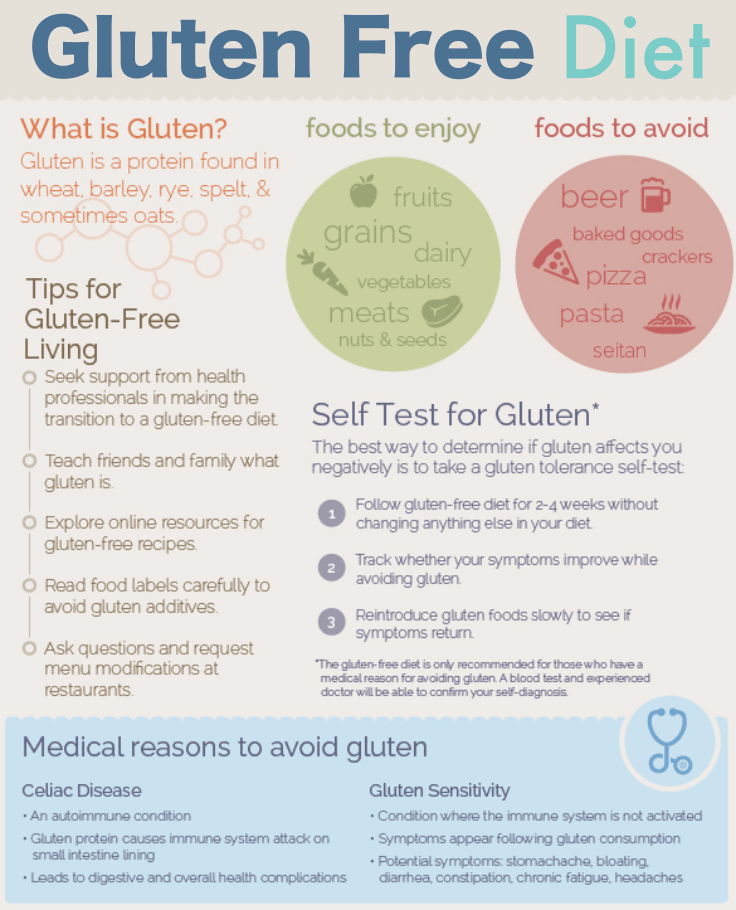
Going gluten-free has become a popular trend in recent years, but for those who have celiac disease or gluten intolerance, it is not just a choice – it is a necessity. Gluten is a protein found in wheat, barley, and rye that can cause digestive issues and other health problems for individuals with these conditions. Fortunately, there are now many gluten-free options available in stores and restaurants to cater to the growing demand. In this article, we will provide an overview of gluten-free options and answer some frequently asked questions about going gluten-free.
What does “gluten-free” mean?
The term “gluten-free” refers to food products that do not contain any traces of gluten. To be considered truly gluten-free, the product must contain less than 20 parts per million (ppm) of gluten. This standard is set by regulatory bodies such as the Food and Drug Administration (FDA) in the United States.
Why do some people need to follow a gluten-free diet?
Some individuals have celiac disease – an autoimmune disorder where consuming even small amounts of gluten can damage their small intestine. Others may have non-celiac gluten sensitivity or wheat allergies, which can also cause adverse reactions when consuming foods containing gluten.
What foods should be avoided on a gluten-free diet?
The primary sources of dietary gluten are wheat, barley, and rye. Therefore, foods made from these grains should be strictly avoided if you are following a strict gluten-free diet. This includes breads, pastas, cereals, baked goods like cakes and cookies unless specifically labeled as “gluten-free.”
It’s important to note that hidden sources of gluten might exist in certain processed foods such as sauces and dressings. Always read ingredient labels carefully or look for certified “gluten-free” labeling before purchasing any packaged food items.
What are some common naturally-gluten free alternatives?
Thankfully there are plenty of delicious naturally-gluten free alternatives that can be incorporated into a gluten-free diet. These include:
1. Grains: Quinoa, rice (including brown, white, and wild rice), amaranth, millet, sorghum, cornmeal (make sure it is labeled gluten-free), and gluten-free oats.
2. Legumes: Lentils, chickpeas, black beans, kidney beans – these are all excellent sources of protein and fiber.
3. Nuts and Seeds: Almonds, walnuts, cashews, chia seeds flaxseeds – perfect for snacking or adding to recipes.
4. Fruits and Vegetables: Fresh fruits and vegetables are naturally gluten-free and should form the foundation of any healthy diet.
5. Dairy Products: Most dairy products such as milk, cheese, yogurt are naturally gluten-free but always check ingredient lists for added flavors or additives that may contain gluten.
What about processed foods?
The market for gluten-free processed foods has grown significantly in recent years due to increased demand. However it’s important to be cautious when choosing these products as they might not always be the healthiest options.
Many processed foods labeled as “gluten-free” have been formulated to mimic their traditional counterparts like breads or pastries using alternative ingredients such as tapioca starch or potato flour. While these can be enjoyed occasionally as a treat if you tolerate them well they should not replace whole food options like fruits vegetables legumes nuts seeds lean proteins etc
To make healthier choices look for minimally-processed alternatives such as brown rice pasta quinoa-based snacks or packaged goods made from whole grains instead of refined flours Also keep in mind that just because something is labeled “gluten free” does not necessarily mean it’s low in calories sugar salt fat so remember to read nutrition labels carefully
Can I eat out at restaurants while following a gluten-free diet?
Yes! Many restaurants now offer dedicated menus specifically for those following a gluten-free diet. However, it’s important to communicate your dietary needs to the staff and ask questions about cross-contamination in the kitchen. Cross-contamination can occur when gluten-free foods come into contact with surfaces or utensils that have been used to prepare gluten-containing foods.
To ensure your safety, you can also look for restaurants that have received certification from organizations like the Gluten Intolerance Group (GIG) or similar organizations that verify their commitment to providing safe gluten-free options.
In conclusion, following a gluten-free diet does not mean missing out on delicious meals and treats. Thanks to increasing awareness and demand, there are now numerous options available for those who need or choose to avoid gluten. By focusing on whole, naturally-gluten free foods such as fruits, vegetables, lean proteins, legumes, nuts/seeds and incorporating minimally processed alternatives into your diet you can enjoy a balanced and healthy eating plan while avoiding any adverse reactions caused by consuming gluten-containing products

Leave a Reply