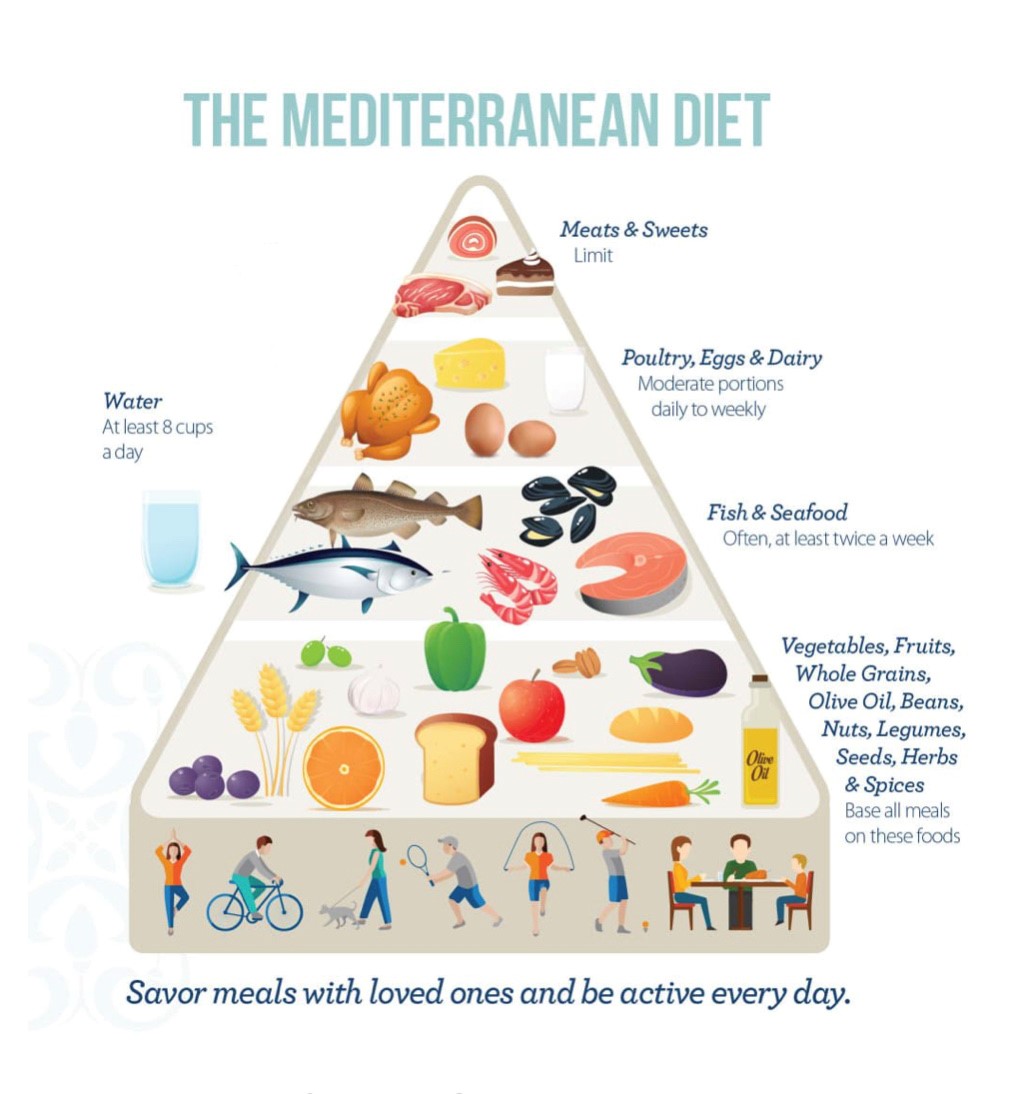
Healthy Fats in the Mediterranean Diet
The Mediterranean diet has gained popularity for its numerous health benefits, including reducing the risk of heart disease, improving brain health, and promoting longevity. One of the key components that make this diet so beneficial is its emphasis on healthy fats. Unlike other diets that promote low-fat or fat-free options, the Mediterranean diet recognizes the importance of consuming healthy fats in moderation. In this article, we will explore some of the main sources of healthy fats in the Mediterranean diet and how they contribute to overall well-being.
1. Olive Oil:
At the heart of the Mediterranean diet is olive oil, which is considered a staple ingredient in this culinary tradition. Extra virgin olive oil (EVOO) is particularly prized due to its high content of monounsaturated fats and antioxidants. These compounds help reduce inflammation and protect against oxidative stress.
Research suggests that incorporating EVOO into your daily meals can have several positive effects on your health. It has been associated with lower rates of heart disease, improved cholesterol levels, reduced blood pressure, and even weight management.
When using olive oil in cooking or as a dressing for salads and vegetables, it’s important to remember that moderation is key because it still contains calories. Aim for 1-2 tablespoons per day as part of a balanced diet.
2. Nuts and Seeds:
Nuts and seeds are another excellent source of healthy fats in the Mediterranean diet. They contain not only monounsaturated fats but also polyunsaturated fatty acids (PUFAs), such as omega-3s and omega-6s.
Almonds, walnuts, pistachios, flaxseeds, chia seeds, sunflower seeds – these are just a few examples of nuts and seeds commonly consumed in Mediterranean countries.
Numerous studies have shown that regular nut consumption can improve heart health by lowering LDL cholesterol levels while increasing HDL cholesterol levels (the “good” cholesterol). Additionally, these healthy fats have been associated with a reduced risk of developing type 2 diabetes and certain types of cancer.
To reap the benefits of nuts and seeds while keeping portion sizes in check, aim for a small handful (about 1 ounce) as a snack or incorporate them into meals like salads or yogurt.
3. Fatty Fish:
Fish is an integral part of the Mediterranean diet, providing not only lean protein but also essential omega-3 fatty acids. Fatty fish such as salmon, sardines, mackerel, and trout are particularly rich in these heart-healthy fats.
Omega-3 fatty acids have been extensively studied for their potential to reduce inflammation, support brain health, and lower the risk of chronic diseases like heart disease and stroke. They can also improve cognitive function and mood.
Health organizations recommend consuming at least two servings of fatty fish per week to meet your omega-3 needs. Grilling or baking fish is generally healthier than frying it in unhealthy oils or breading it. If you don’t consume fish due to dietary restrictions or preferences, consider talking to your healthcare provider about taking an omega-3 supplement derived from algae.
4. Avocado:
Avocado is a versatile fruit that stands out for its high content of monounsaturated fats. It also provides fiber, vitamins (such as vitamin K and folate), minerals (like potassium), antioxidants (such as lutein), and phytosterols – plant compounds that may help lower cholesterol levels.
Including avocados in your Mediterranean-style meals can contribute to improved cardiovascular health by reducing LDL cholesterol oxidation and promoting healthy blood pressure levels.
Whether spread on toast instead of butter or added to salads for a creamy texture, avocados offer nutritional benefits along with their satisfying taste.
5. Olives:
Olives themselves are not high in fat; rather they contain healthy monounsaturated fats that provide several health benefits when consumed in moderation. Olives are a significant part of the Mediterranean diet, adding flavor to dishes while contributing to overall heart health.
The monounsaturated fats found in olives have been linked to lower rates of heart disease and reduced inflammation. Additionally, olives contain beneficial antioxidants that protect against oxidative stress and contribute to their characteristic taste.
While olives are often enjoyed as an appetizer or added to salads and pasta dishes, it’s important to be mindful of portion sizes due to their high sodium content. Opt for varieties without added salt whenever possible.
Incorporating Healthy Fats into Your Diet:
To adopt a Mediterranean-style eating pattern that incorporates healthy fats, consider the following tips:
1. Use extra virgin olive oil as your primary cooking oil and salad dressing.
2. Snack on a handful of nuts or seeds daily.
3. Include fatty fish like salmon or sardines in your meals at least twice a week.
4. Add avocado slices or guacamole to sandwiches, wraps, or salads.
5. Enjoy moderate portions of olives as part of your meals.
Remember that while these healthy fats provide numerous benefits when consumed in moderation, they still contain calories. It’s important to consider your overall caloric intake and balance it with regular physical activity for optimal health outcomes.
Conclusion:
The Mediterranean diet emphasizes the consumption of healthy fats from sources such as olive oil, nuts and seeds, fatty fish, avocados, and olives. These foods not only add flavor but also provide essential nutrients that promote cardiovascular health by reducing inflammation levels and improving cholesterol profiles.
By incorporating these healthy fats into your daily meals while maintaining an overall balanced approach to nutrition, you can enjoy the many benefits associated with the Mediterranean diet – from improved heart health to enhanced brain function and longevity.

Leave a Reply