The Mediterranean diet is renowned for its health benefits and delicious flavors. It encompasses a wide variety of ingredients, including fruits, vegetables, whole grains, legumes, nuts, seeds, olive oil, and fish. However, there are many lesser-known aspects of this cuisine that deserve attention. In this article, we will explore some unique features of the Mediterranean diet that may not be as commonly known.
1. The Role of Fermented Foods in the Mediterranean Diet
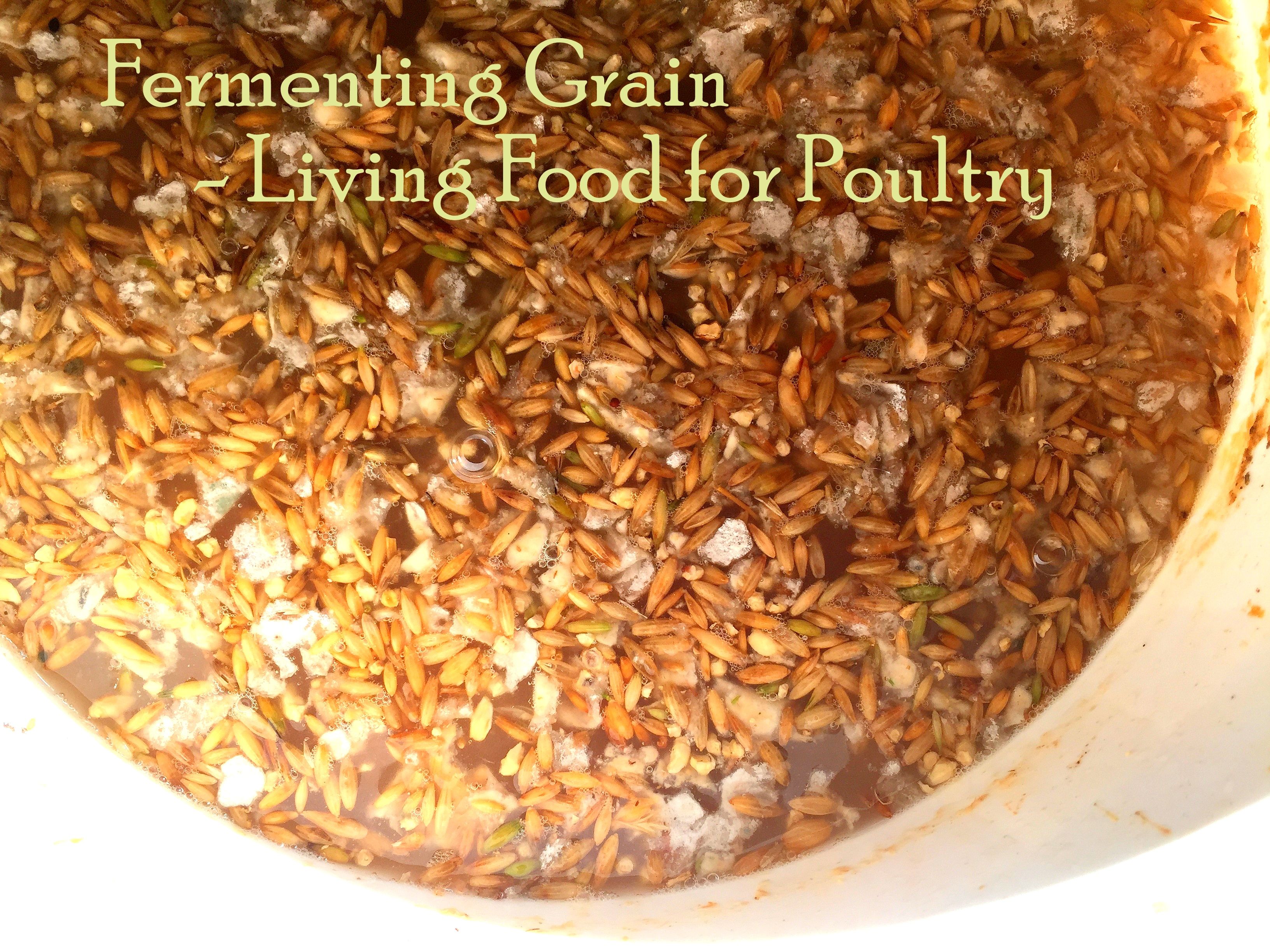
Fermented foods have long been valued for their probiotic properties and gut health benefits. In the Mediterranean region, fermented foods like yogurt and kefir play an important role in daily meals. These dairy products provide a rich source of beneficial bacteria to support digestion and boost immunity.
2. Lesser-Known Grains and Legumes in Mediterranean Cuisine
While wheat and barley are staples in Mediterranean cooking, there are also lesser-known grains like farro (emmer wheat) and freekeh (smoked green wheat) that add depth to dishes. Similarly, legumes such as chickpeas and lentils are widely used but others like fava beans or black-eyed peas often take center stage in regional specialties.
3. Traditional Mediterranean Breakfast Options
Breakfast is considered an essential meal in the Mediterranean diet. While many people associate it with bread or pastries served with coffee or tea, traditional breakfast options differ across regions. For example, in Greece or Turkey you might find savory breakfasts consisting of eggs with tomatoes or olives while in Spain it could be toast topped with tomato purée (pan con tomate).
4. Incorporating Wild Herbs and Greens into Mediterranean Dishes
Wild herbs such as oregano, thyme,and sage are frequently used to enhance flavors in Mediterranean dishes but there’s a wide range beyond these well-known herbs too! Edible greens such as dandelion greens or purslane are commonly foraged for salads or cooked preparations adding unique flavors and nutritional value.
5. Exploring Seafood Varieties Beyond Fish in the Mediterranean Diet
While fish is a prominent feature of the Mediterranean diet, there are other seafood options worth exploring. Mollusks like octopus or squid, as well as crustaceans like shrimp or lobster, are beloved delicacies in coastal regions. These ingredients provide lean protein along with essential nutrients.
6. Unique Vegetable Preparations in Mediterranean Cooking
Mediterranean cuisine showcases a variety of vegetable preparations that go beyond simple salads or roasted vegetables. For instance, stuffed vegetables like dolmas (stuffed grape leaves) or papoutsakia (stuffed eggplants) demonstrate the creativity and versatility of regional cooking techniques.
7. Lesser-Known Fruits Used in Mediterranean Desserts
When it comes to desserts, many people think of figs and dates as quintessential Mediterranean fruits. However, lesser-known fruits such as pomegranates or quinces also play an important role in traditional sweet treats like jams, compotes, and fruit-based pastries.
8. The Use of Olive Oil Alternatives in Mediterranean Cuisine
Olive oil is a hallmark ingredient in the Mediterranean diet, but other oils are used regionally too! In Morocco for example argan oil is prized for its nutty flavor while sesame oil adds depth to dishes from Lebanon and Israel.
9. Regional Variations of the Mediterranean Diet
The Mediterranean region spans multiple countries with diverse culinary traditions resulting in variations within the diet itself! From Greek cuisine’s emphasis on yogurt to Moroccan cuisine’s love for preserved lemons—each region has its own unique spin on the core principles of this iconic way of eating.
10. The Impact of Climate Change on Traditional Mediterranean Ingredients
Climate change poses challenges to agriculture worldwide including effects on crops grown throughout the Mediterranea area such as olives grapes tomatoes and citrus fruits which thrive under specific climate conditions.This impacts not only the availability of these ingredients but also their quality and taste, highlighting the need for sustainable farming practices.
11. Uncommon Spices and Seasonings Used in Mediterranean Dishes
While many people associate Mediterranean cuisine with simple flavors, there is a wide array of spices and seasonings employed to enhance dishes. Ingredients like sumac, za’atar, or Aleppo pepper bring unique tastes and aromas to traditional recipes.
12. Traditional Methods of Food Preservation in the Mediterranean Region
Preserving food has been a crucial practice throughout history in the Mediterranean region where fresh produce often needed to be stored for extended periods. Techniques such as sun-drying tomatoes or olives, pickling vegetables or fermenting foods are still utilized today preserving seasonal bounty for year-round enjoyment.
13. The Nutritional Benefits of Lesser-Known Nuts and Seeds in the Diet
Nuts like almonds, walnuts, and pistachios are well-known components of the Mediterranean diet due to their heart-healthy fats and other beneficial nutrients. However, lesser-known nuts such as pine nuts or seeds like pumpkin seeds provide additional texture and flavor while offering nutritional benefits as well.
14. The Role of Honey and Other Natural Sweeteners in the Mediterranean Diet
Honey holds a special place in Mediterranean cuisine as it was used extensively before refined sugar became common.The natural sweetness derived from honey complements desserts beautifully while providing antioxidants that aren’t found in processed sugars.Other natural sweeteners such as date syrup (silan) or grape molasses (petimezi) are also used regionally adding depth to both savory dishes & sweets alike!
15. Traditional Dairy Alternatives in Mediterranean Cooking
Despite dairy being an important part of this diet,you can find regional culinary traditions that incorporate alternatives! In Greece they make use of thickened yogurt called “strained” yogurt(known widely by its brand name – Greek Yogurt).In Lebanon labneh,a strained yogurt cheese,is consumed instead. Other dairy alternatives like almond milk or tahini are also used in certain dishes.
16. Incorporating Ancient Grains into Modern Interpretations of the Diet
While the Mediterranean diet has a strong emphasis on whole grains, there is an opportunity to explore ancient grains such as spelt, amaranth, or teff.These grains offer nutritional benefits and bring new flavors and textures to classic recipes.
17. Exploring Vegetarian and Vegan Adaptations of the Mediterranean Diet
The Mediterranean diet can easily be adapted for those following vegetarian or vegan lifestyles without sacrificing taste or nutrition. Plant-based proteins such as legumes, tofu (soy), tempeh (fermented soybean cake), seitan (wheat gluten) can be incorporated along with abundant fruits, vegetables,nuts & seeds!
18. Traditional Condiments and Sauces Used to Enhance Flavors
Condiments play a vital role in enhancing flavors in Mediterranean cuisine.In addition to olive oil,vinegar,and lemon juice,you’ll find traditional condiments like tahini,sauces like tzatziki(hung-curd based sauce with herbs/garlic)or muhammara(red pepper-walnut dip) that add depth to dishes while offering unique tastes.
19. The Significance of Communal Dining Practices Within the Culture
In the Mediterranean region,dining is often seen as a communal experience where family and friends gather around a table,enjoying each other’s company.The act of sharing meals fosters social connection,bolstering mental well-being alongside providing nourishment!
20. Unique Cooking Techniques Specific to Certain Regions
Different regions within the Mediterranean have their own unique cooking techniques that showcase their culinary heritage.For example,in Spain,the technique of “Escabeche” involves marinating food in vinegar,oil,& spices before cooking;while Greece’s “Briam” uses slow-roasting method bringing out natural sweetness of vegetables.
21. The Use of Edible Flowers and Blossoms as Ingredients or Garnishes
Edible flowers and blossoms add visual appeal and delicate flavors to Mediterranean dishes.Lavender,rose petals,citrus blossoms,and chamomile are just a few examples that can be incorporated into salads,desserts,or even infused in beverages.
22. Traditional Beverages Consumed Alongside Meals
In addition to water,wine is often enjoyed with meals throughout the Mediterranean region.Wines like reds from Spain,Greece or Italy; whites from France or Lebanon offer a diverse range.Other traditional beverages include ouzo (an anise-flavored liqueur),arak (a Lebanese version of ouzo) & various herbal teas!
23. Exploring Lesser-Known Types of Cheese From the Region
The Mediterranean region boasts a wide variety of cheeses beyond feta or mozzarella! Halloumi, manchego, pecorino romano, and ricotta salata are just a few examples. Each cheese has its own unique flavor profile and culinary applications.
24. Uncommon Protein Sources Utilized in Traditional Recipes
While fish and legumes are commonly associated with protein sources in the Mediterranean diet, there are other options worth mentioning.Spirulina(a blue-green algae)is consumed as a protein supplement while meaty mushrooms like oyster mushrooms can provide texture alongside plant-based proteins such as seitan.
25.The Role of Foraging for Wild Foods Within the Context of the Diet
Foraging for wild foods is deeply rooted in Mediterranean culture.Gathering wild herbs,mushrooms,nuts,& fruits allows people to connect with nature & utilize natural resources sustainably.Foragers might come across treasures like wild asparagus,fennel bulbs,stinging nettles,juniper berries which find their way onto plates!

Leave a Reply