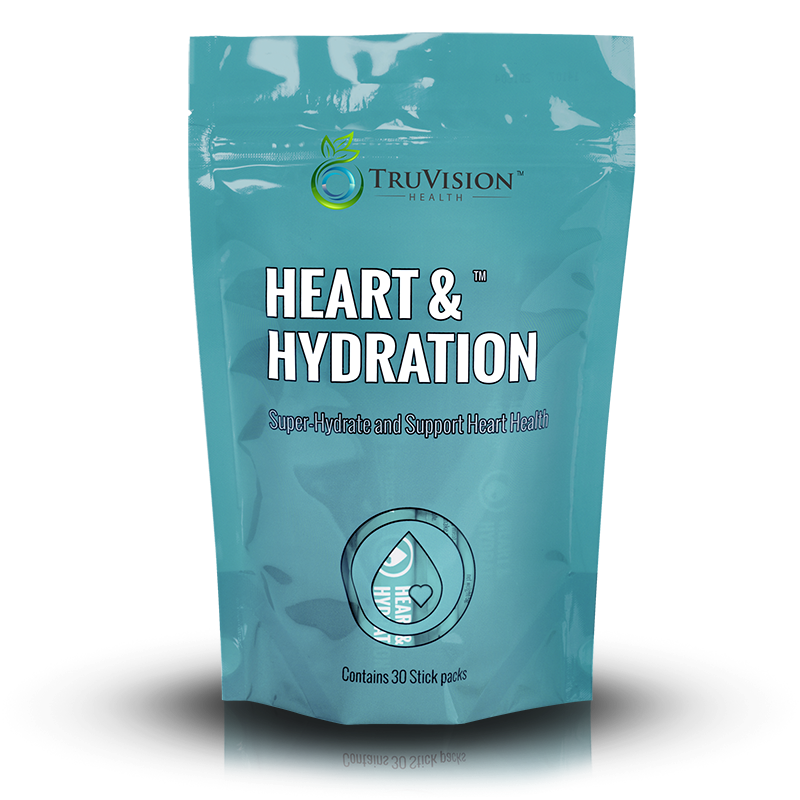
Hydration for a Healthy Heart
When it comes to maintaining a healthy heart, many of us think about eating a balanced diet and engaging in regular exercise. While these factors are undoubtedly important, one aspect that is often overlooked is proper hydration. Staying adequately hydrated is not only essential for overall health but can also play a significant role in promoting heart health.
Water makes up about 60% of our body weight and plays an integral role in various bodily functions. When it comes to the heart, staying hydrated ensures that there is enough fluid volume within the blood vessels, allowing nutrients and oxygen to be efficiently transported throughout the body. Dehydration, on the other hand, can lead to thicker blood viscosity and increased strain on the heart.
One way hydration benefits heart health is by helping to regulate blood pressure levels. When we are dehydrated, our bodies tend to retain sodium which can lead to higher blood pressure. This places additional stress on the cardiovascular system and increases the risk of developing hypertension or high blood pressure – a major risk factor for heart disease.
Furthermore, adequate hydration helps maintain optimal electrolyte balance in the body. Electrolytes such as potassium and magnesium are crucial for maintaining normal heart rhythm. Imbalances in these electrolytes due to dehydration can disrupt electrical signals within the heart and potentially lead to irregular heartbeat or arrhythmia.
Proper hydration also supports healthy cholesterol levels. Studies have shown that staying well-hydrated promotes better lipid profiles by reducing total cholesterol levels and increasing HDL (good) cholesterol levels. High levels of LDL (bad) cholesterol increase the risk of plaque buildup in arteries, which can eventually result in coronary artery disease or blocked arteries leading to a heart attack.
So how much water should you drink? The Institute of Medicine recommends men aim for about 3.7 liters (or 13 cups) per day while women should strive for around 2.7 liters (or 9 cups) daily. However, individual hydration needs may vary based on factors such as age, weight, activity level, and climate.
While water is the best choice for staying hydrated, other beverages like herbal teas or unsweetened fruit juices can contribute to your overall fluid intake. Keep in mind that caffeinated drinks and alcohol have diuretic effects and should be consumed in moderation.
In addition to fluids, you can also increase your water intake by consuming hydrating foods. Fruits and vegetables with high water content like cucumbers, melons, strawberries, celery, and lettuce are excellent choices for staying hydrated while providing essential vitamins and minerals.
To ensure you stay properly hydrated throughout the day:
1. Carry a reusable water bottle with you wherever you go.
2. Set reminders to drink water at regular intervals.
3. Drink a glass of water before each meal.
4. Opt for hydrating snacks like fresh fruits.
5. Monitor your urine color – pale yellow indicates adequate hydration.
Remember that maintaining proper hydration is not only crucial for heart health but also contributes to overall well-being. By making conscious efforts to keep yourself adequately hydrated every day, you are taking an active step towards promoting a healthy heart and reducing the risk of cardiovascular diseases in the long run.

Leave a Reply