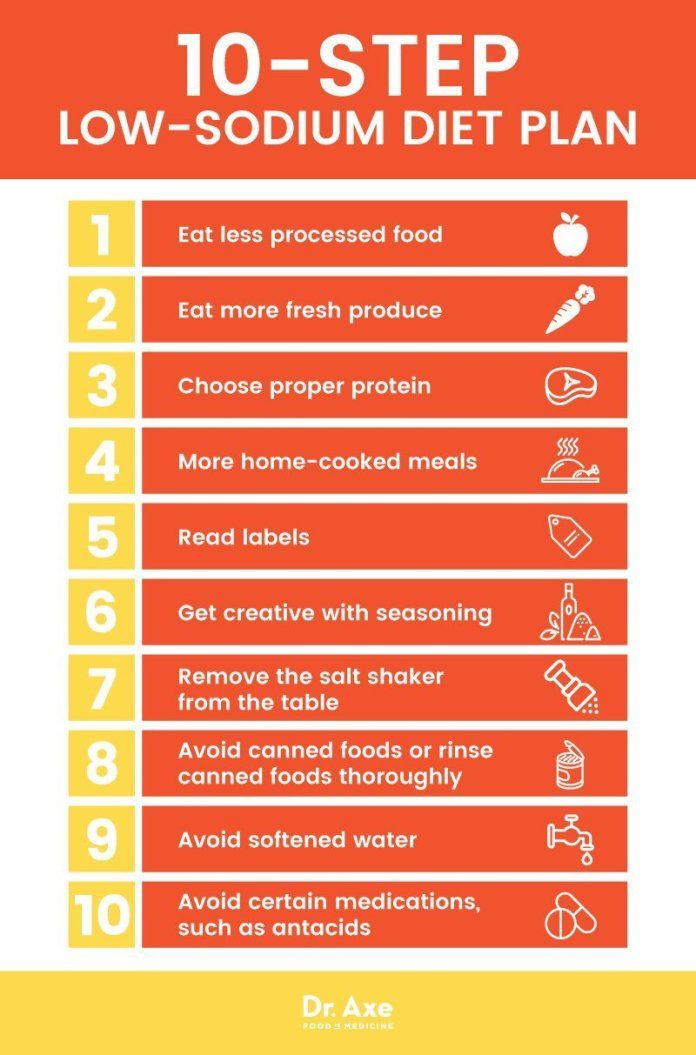
Welcome to another edition of our panel discussion on Healthy Eating! Today, we have gathered a group of experts to talk about low-sodium meal planning and how it can benefit your overall health. Joining us today are Dr. Emily Roberts, a registered dietitian; Chef Michael Johnson, a culinary expert specializing in healthy cooking; and Sarah Adams, a nutritionist with a focus on heart-healthy diets.
Moderator: Let’s start by discussing why reducing sodium intake is important for our health.
Dr. Roberts: Sodium plays an essential role in our bodies, but most people consume far too much of it. High sodium intake has been linked to increased blood pressure, which can lead to heart disease and stroke. By reducing sodium intake through mindful meal planning, we can improve heart health and overall well-being.
Sarah Adams: Absolutely! It’s estimated that 9 out of 10 Americans consume more sodium than the recommended daily limit of 2,300 milligrams (mg). For individuals with hypertension or other cardiovascular conditions, the recommendation drops even further to 1,500 mg per day. Meal planning helps control sodium levels by consciously choosing ingredients and preparing meals from scratch.
Chef Johnson: I agree. Many processed foods contain excessive amounts of sodium as a preservative or flavor enhancer. By creating homemade meals using fresh ingredients, you have complete control over the amount of salt added.
Moderator: That leads us into our next question – what strategies do you recommend for low-sodium meal planning?
Sarah Adams: When starting your low-sodium journey, read food labels carefully. Look for products labeled “low-sodium” or “no added salt.” Additionally, opt for fresh fruits and vegetables instead of canned ones since they often come packed with extra salt.
Dr. Roberts: Another effective strategy is utilizing herbs and spices instead of salt when seasoning dishes. Herbs like basil or oregano can add depth to your recipes without the need for excessive sodium. Additionally, citrus juices or vinegars can provide a tangy flavor boost.
Chef Johnson: I couldn’t agree more! Experimenting with different herbs and spices is key to creating flavorful low-sodium dishes. Also, don’t be afraid to get creative in the kitchen by using alternative seasonings like garlic powder, onion powder, or even smoked paprika.
Moderator: That’s great advice. Now let’s discuss practical tips for planning low-sodium meals on a budget.
Chef Johnson: Planning ahead is crucial when trying to eat healthily on a budget. Start by making a shopping list based on your meal plan and stick to it while at the grocery store. Avoid impulse purchases of processed foods that tend to be high in sodium.
Sarah Adams: Buying ingredients in bulk can also save money in the long run. Dried beans and lentils are affordable sources of protein that you can incorporate into various dishes such as soups or salads.
Dr. Roberts: Additionally, consider utilizing leftovers creatively. For example, roast chicken one night can become chicken salad for lunch the next day – just skip adding extra salt!
Moderator: Those are excellent suggestions! Let’s move on to discussing some specific low-sodium meal ideas.
Dr. Roberts: One simple idea is swapping out traditional pasta sauces with homemade versions using fresh tomatoes, herbs, and spices instead of store-bought options loaded with sodium.
Chef Johnson: Another option could be preparing stir-fries using lean proteins like chicken or tofu along with an array of colorful vegetables tossed in low-sodium soy sauce or coconut aminos
Sarah Adams: And don’t forget about breakfast! You can create delicious low-sodium breakfasts by incorporating whole grains like oatmeal topped with fresh fruits and nuts instead of sugary cereals or pre-packaged breakfast bars.
Moderator: These sound incredibly tasty! Before we wrap up our discussion today, could each of you share your final thoughts or tips for our readers?
Sarah Adams: My final tip would be to gradually reduce your sodium intake. Start by cutting back on processed foods and gradually decrease the amount of salt added during cooking. Over time, your taste buds will adjust, and you’ll find that low-sodium meals can be just as flavorful.
Chef Johnson: I encourage everyone to explore new recipes and experiment with different flavors in their low-sodium meal planning journey. Get creative and have fun with it!
Dr. Roberts: Finally, don’t forget that a balanced diet is not solely about sodium reduction. It’s important to incorporate other healthy eating habits such as consuming adequate fruits, vegetables, whole grains, lean proteins, and staying hydrated.
Moderator: Thank you all for sharing your expertise today! We hope these insights will inspire our readers to embrace low-sodium meal planning for a healthier lifestyle. Remember, small changes can make a big difference when it comes to improving our overall health through nutrition.

Leave a Reply