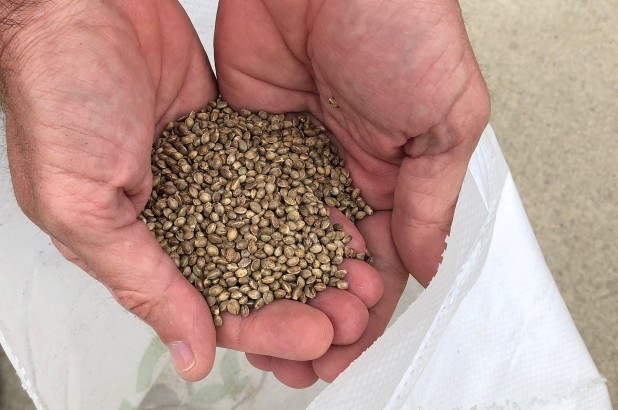
The economic impact of the hemp seed industry has been gaining significant attention in recent years. Hemp seeds are not only a nutritious superfood but also have a wide range of industrial applications, making them a valuable commodity in various sectors. From food and beverages to textiles and personal care products, the demand for hemp seed-derived products continues to grow. This article will explore the economic implications of this burgeoning industry and shed light on its potential for future growth.
1. Job Creation:
One of the most immediate effects of the expanding hemp seed industry is job creation. As more companies enter the market, there is an increasing need for skilled workers to cultivate, process, and distribute hemp seeds and their derived products. From farmers who specialize in cultivating high-quality hemp plants to processors who extract oil from the seeds or manufacture hemp-based goods, numerous employment opportunities arise throughout the supply chain.
In addition to direct jobs within the industry, ancillary businesses also benefit from its growth. Packaging manufacturers, marketing agencies specializing in promoting natural foods, research institutions studying hemp’s potential benefits – all these entities contribute to job creation as they support and cater to this emerging sector.
2. Agricultural Sector:
Hemp cultivation provides an alternative crop for farmers seeking sustainable options that can yield substantial profits. Unlike other crops that require extensive pesticide use or deplete soil nutrients rapidly, hemp does not rely heavily on chemical inputs due to its natural resistance against pests and diseases.
Moreover, since different parts of the plant can be used commercially (seeds for food production; fibers for textile manufacturing), farmers have multiple revenue streams from a single crop harvest. This versatility makes it an attractive option for agricultural diversification while reducing reliance on traditional cash crops that may face market fluctuations or price volatilities.
3. Health Food Industry:
Hemp seeds have gained recognition as a nutritional powerhouse due to their rich content of essential fatty acids like omega-3s and omega-6s along with high-quality protein. As consumer awareness about the importance of healthy eating habits grows, demand for plant-based protein sources increases, and hemp seeds fit perfectly into this trend.
The health food industry has embraced hemp seeds as a versatile ingredient that can be incorporated into various products. From protein bars and vegan-friendly meat alternatives to dairy-free milk alternatives and gluten-free baking options, the market for hemp seed-derived products continues to expand rapidly. This growth not only benefits companies specializing in these products but also drives innovation within the industry.
4. Textile Industry:
Hemp fibers have been used for centuries in textile manufacturing due to their durability, breathability, and resistance to mold and mildew. With sustainability becoming a key consideration in fashion and textiles, there is a renewed interest in utilizing hemp fibers as an eco-friendly alternative to conventional materials like cotton or synthetic fabrics.
As more designers and manufacturers prioritize sustainable practices, the demand for hemp-based textiles is expected to rise further. This shift can revitalize local textile industries while reducing environmental impact by replacing resource-intensive crops with more sustainable options like hemp.
5. Personal Care Products:
Hemp seed oil’s moisturizing properties make it a popular ingredient in personal care products such as lotions, soaps, shampoos, and conditioners. The natural antioxidants found in hemp seed oil offer numerous benefits for skin health while minimizing exposure to potentially harmful chemicals commonly present in traditional personal care items.
As consumers increasingly seek out natural and organic products free from harsh chemicals, the demand for personal care items containing hemp seed oil continues to grow steadily. This trend opens up opportunities for new businesses entering the market or existing ones expanding their product lines.
6. Environmental Benefits:
The economic impact of the hemp seed industry extends beyond profitability; it also contributes positively to environmental sustainability efforts. Hemp plants are known for their ability to absorb CO2 from the atmosphere efficiently – even more effectively than many other crops or trees.
Furthermore, they require less water compared to other cash crops like cotton, reducing strain on water resources. The deep root systems of hemp plants also help prevent soil erosion, enhancing overall soil health and preventing nutrient runoff into water bodies.
7. International Trade:
The growth of the hemp seed industry has led to increased international trade opportunities. Countries that have legalized hemp cultivation and production are exporting their products globally, creating new revenue streams and economic partnerships.
This expansion in international trade not only benefits exporting countries but also allows importing nations access to a wider range of sustainable products. As regulatory frameworks continue to evolve worldwide, the global hemp seed market is expected to thrive further.
8. Economic Potential for Rural Communities:
Hemp cultivation offers significant economic potential for rural communities in particular. These areas often struggle with limited employment options and declining agricultural sectors due to changing market demands or climate challenges.
By introducing hemp as a viable crop alternative, farmers in rural regions can diversify their income sources and revitalize local economies. Additionally, processing facilities and manufacturing units established in these areas contribute to job creation while boosting infrastructure development.
In conclusion, the economic impact of the hemp seed industry is multifaceted and holds immense promise across various sectors. From job creation and agricultural diversification to advancements in healthcare products, textiles, personal care items – this emerging market presents numerous opportunities for entrepreneurs, investors, farmers, and consumers alike. As the popularity of hemp-based goods continues to grow globally, it is essential for policymakers and businesses alike to support its responsible cultivation and utilization while ensuring sustainable practices are maintained throughout the supply chain.

Leave a Reply