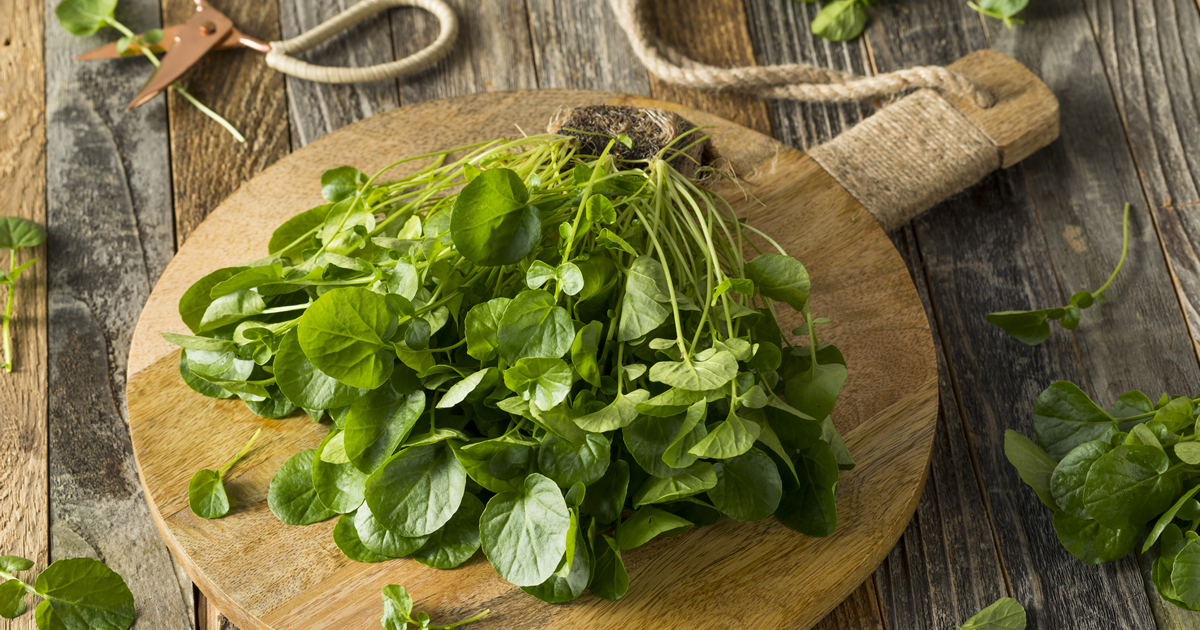
Watercress: The Superfood You Need to Try
When it comes to healthy eating, incorporating nutrient-rich foods into your diet is essential. One such food that often gets overlooked is watercress. Packed with vitamins, minerals, and antioxidants, watercress is a leafy green that offers numerous health benefits. In this article, we will explore why you should consider adding watercress to your meals and how it can contribute to your overall well-being.
Watercress belongs to the Brassicaceae family and has been consumed for centuries due to its medicinal properties. It is native to Europe and Asia but can now be found worldwide. This aquatic plant grows in shallow streams or ponds and thrives in cool temperatures.
One of the standout features of watercress is its impressive nutritional profile. It’s low in calories while being high in essential nutrients like vitamins A, C, K, and several B vitamins including folate. Watercress also provides an array of minerals such as calcium, potassium, magnesium, iron, and iodine.
The presence of these vitamins and minerals supports various bodily functions. Vitamin A promotes healthy vision and helps maintain a robust immune system. Vitamin C acts as an antioxidant, protecting cells from damage caused by free radicals while boosting collagen production for healthy skin. Vitamin K plays a vital role in blood clotting and bone health.
Beyond its vitamin content lies the true power of watercress – its rich concentration of antioxidants. Antioxidants are compounds that help neutralize harmful free radicals in our bodies which can cause inflammation and oxidative stress leading to chronic diseases like heart disease or cancer.
Watercress contains potent antioxidants like beta-carotene (a precursor to vitamin A), lutein, zeaxanthin (beneficial for eye health), flavonoids (such as quercetin), kaempferol (known for anti-inflammatory effects), glucosinolates (which have shown anticancer properties), and many more. These antioxidants work together to protect cells from damage, reduce inflammation, and support overall health.
Moreover, watercress is an excellent source of dietary nitrates. These compounds convert into nitric oxide in the body, which helps dilate blood vessels, improving blood flow and reducing blood pressure. This vasodilatory effect can benefit heart health by lowering the risk of cardiovascular diseases.
Another advantage of watercress is its high fiber content. Fiber aids digestion, promotes satiety, and helps regulate blood sugar levels. Including watercress in your meals can help maintain a healthy weight or assist with weight loss goals.
Now that we’ve explored the nutritional benefits of watercress let’s discuss how you can incorporate it into your diet. Watercress has a slightly peppery taste that adds a refreshing kick to various dishes. It can be enjoyed raw in salads or sandwiches for a nutritious crunch or used as an ingredient in soups, stir-fries, pasta dishes, or smoothies.
When purchasing watercress at your local grocery store or farmer’s market, look for vibrant green leaves without any signs of wilting or yellowing. Before use, rinse thoroughly under cold running water to remove any dirt or impurities.
To conclude, incorporating watercress into your diet is an excellent choice for promoting good health. Its impressive nutrient profile coupled with its antioxidant content makes it a true superfood worthy of attention. Whether eaten raw or cooked, this leafy green offers numerous health benefits ranging from improved immune function to reduced risk of chronic diseases like heart disease and cancer.
So why not give watercress a try? Your body will thank you!

Leave a Reply