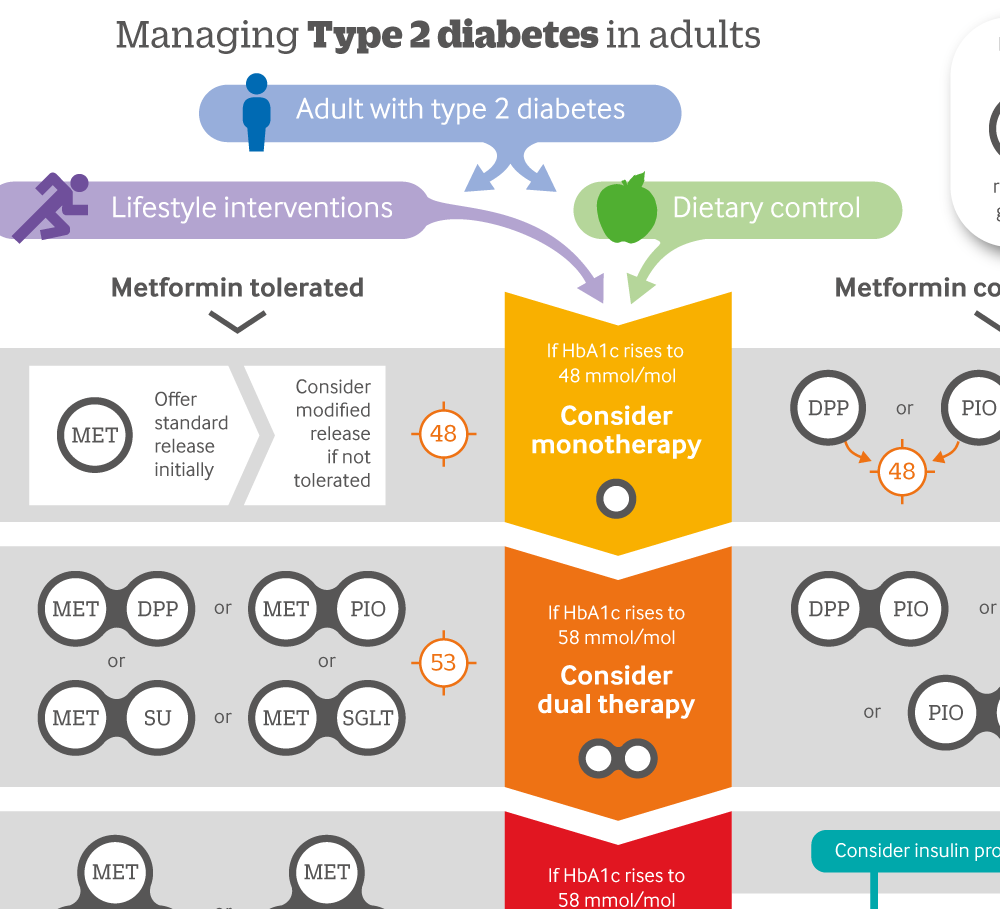
Managing diabetes can be a challenging task, but with the right approach and support, it is possible to lead a healthy and fulfilling life. While medical intervention and proper medication are essential in controlling diabetes, there are also several potential roles that can play a significant part in managing this condition. In this article, we will explore ten potential roles that can help individuals effectively manage their diabetes.
1. Registered Dietitian: A registered dietitian plays a vital role in creating personalized meal plans tailored to an individual’s specific dietary needs. They can provide guidance on carbohydrate counting, portion control, and making healthy food choices.
2. Diabetes Educator: Diabetes educators specialize in teaching patients about all aspects of managing diabetes. They educate individuals on self-care practices such as blood sugar monitoring, insulin administration, exercise routines, and stress management techniques.
3. Exercise Physiologist: Regular physical activity is crucial for managing diabetes effectively. An exercise physiologist can design safe and effective workout plans based on an individual’s fitness level and health conditions.
4. Mental Health Professional: Managing diabetes involves not only physical but also emotional well-being. Mental health professionals like psychologists or social workers can provide counseling sessions to help individuals cope with the emotional challenges associated with living with a chronic condition.
5. Personal Trainer: Working closely with a personal trainer who has experience in managing clients with diabetes can be highly beneficial for establishing an exercise routine that aligns with an individual’s goals while considering any limitations posed by their condition.
6. Pharmacist: Pharmacists play a crucial role in ensuring proper medication management for individuals living with diabetes. They provide valuable information regarding medications’ side effects, interactions, dosage instructions, and important considerations when taking other over-the-counter drugs or supplements alongside prescribed medications.
7. Support Groups: Joining support groups consisting of people facing similar challenges offers comfort and encouragement while providing opportunities to share experiences and learn from others’ strategies for coping with everyday life situations related to diabetes.
8. Diabetes Apps and Technology: Utilizing diabetes-specific apps, wearable devices, and glucose monitoring systems can help individuals track blood sugar levels, monitor food intake, calculate insulin dosages, and receive alerts for abnormal readings.
9. Family and Friends: The support of family members and friends is invaluable when managing diabetes. They can help create a supportive environment by encouraging healthy lifestyle choices and understanding the challenges faced on a daily basis.
10. Personal Responsibility: Ultimately, taking personal responsibility for one’s health is vital in managing diabetes effectively. This includes adhering to medication schedules, regularly checking blood sugar levels, making healthy food choices, engaging in physical activity, managing stress levels, and maintaining regular medical check-ups.
In conclusion, managing diabetes requires a comprehensive approach that goes beyond medical intervention alone. By embracing these ten potential roles – including working with professionals like dietitians or educators; utilizing technology; seeking support from loved ones or support groups; taking personal responsibility for self-care – individuals can take control of their condition and lead fulfilling lives while effectively managing their diabetes.

Leave a Reply