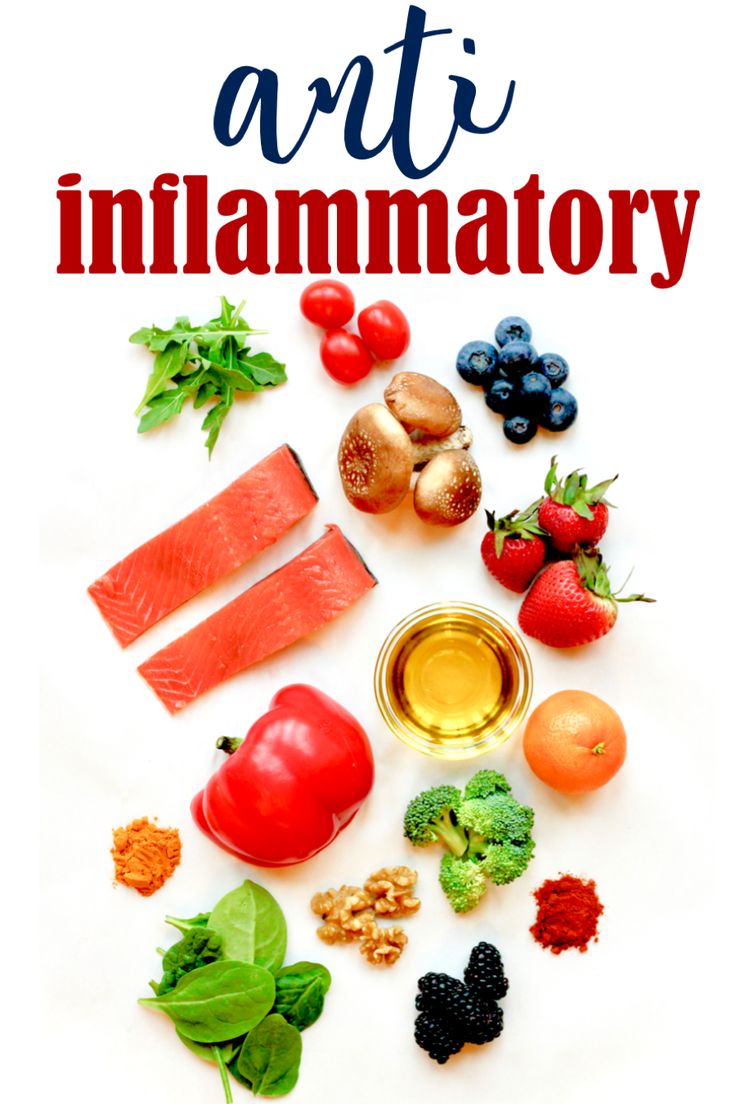
Introduction:
Inflammation is a natural response by our body’s immune system to protect us from infections and injuries. However, chronic inflammation can lead to various health problems, including heart disease, diabetes, arthritis, and even cancer. The good news is that adopting an anti-inflammatory diet can help reduce inflammation in the body and promote overall well-being. In this article, we will explore the concept of anti-inflammatory effects and discuss some key dietary strategies to incorporate into your daily routine.
Understanding Inflammation:
Before delving into the specifics of an anti-inflammatory diet, it is important to understand how inflammation works in the body. When there is damage or irritation caused by factors such as pathogens or toxins, our immune system responds by releasing chemicals that increase blood flow to the affected area. This process helps deliver immune cells and nutrients necessary for healing.
However, when inflammation becomes chronic due to factors like stress, poor diet choices, lack of exercise or sleep, it can wreak havoc on our health. Chronic low-grade inflammation has been linked to numerous diseases such as obesity, heart disease, type 2 diabetes, autoimmune disorders like rheumatoid arthritis and inflammatory bowel diseases like Crohn’s disease.
Anti-Inflammatory Diet Basics:
An anti-inflammatory diet primarily focuses on consuming foods that have been shown to decrease inflammation in the body while avoiding ones that promote it. It emphasizes whole foods rich in antioxidants and phytonutrients known for their anti-inflammatory properties.
1. Colorful Fruits and Vegetables: Incorporate a variety of colorful fruits and vegetables into your meals every day. These plant-based foods are packed with vitamins (vitamin C & E), minerals (magnesium & potassium), fiber (which feeds beneficial gut bacteria), antioxidants (flavonoids) along with other essential compounds that possess potent anti-inflammatory effects.
2. Healthy Fats: Include healthy fats in your diet such as extra virgin olive oil which contains monounsaturated fats and omega-3 fatty acids found in fatty fish like salmon, sardines, and mackerel. These fats help reduce inflammation by inhibiting the production of pro-inflammatory molecules.
3. Whole Grains: Choose whole grains such as brown rice, quinoa, oats, and whole wheat bread instead of refined grains. Whole grains contain fiber and other nutrients that have been shown to reduce markers of inflammation in the body.
4. Spices and Herbs: Incorporate spices like turmeric (curcumin), ginger, cinnamon, garlic along with herbs like rosemary, thyme or basil into your cooking. These ingredients not only add flavor but also possess potent anti-inflammatory properties.
5. Nuts and Seeds: Include a variety of nuts and seeds such as almonds, walnuts, chia seeds or flaxseeds in your diet. They are excellent sources of healthy fats (omega-3 fatty acids) which can help decrease inflammation.
6. Legumes: Add legumes like lentils, chickpeas or black beans to your meals regularly as they are rich in fiber and protein while being low in fat.
7. Green Tea: Swap coffee for green tea occasionally; it contains powerful antioxidants known as catechins which have anti-inflammatory effects on the body.
8. Probiotic-Rich Foods: Fermented foods such as yogurt (preferably unsweetened), kefir or sauerkraut contain beneficial bacteria that support gut health while reducing inflammation throughout the body.
Foods to Avoid:
Just as there are foods you should include more often for their anti-inflammatory benefits; there are also certain foods you should limit or avoid altogether due to their potential to promote inflammation:
1. Processed Foods: Highly processed foods often contain unhealthy trans fats, high levels of sugar & sodium along with artificial additives – all factors that contribute to chronic inflammation when consumed frequently.
2. Added Sugars: Sugary drinks, desserts, and snacks are associated with increased inflammation. Opt for natural sweeteners like honey or maple syrup in moderation.
3. Omega-6 Fatty Acids: Limit your intake of refined vegetable oils (corn, soybean or sunflower oil) which are high in omega-6 fatty acids compared to the anti-inflammatory omega-3s.
4. Excessive Alcohol: Heavy alcohol consumption can lead to inflammation and damage various organs in the body.
5. Refined Grains: Processed grains like white bread, pasta, and pastries lack fiber and nutrients found in whole grains that help combat inflammation.
Conclusion:
Adopting an anti-inflammatory diet is a proactive step towards promoting overall health and well-being. By incorporating colorful fruits and vegetables, healthy fats from sources like olive oil and fatty fish, along with spices and herbs known for their anti-inflammatory effects – you can significantly reduce chronic low-grade inflammation within your body. Additionally, limiting processed foods high in added sugars as well as moderating alcohol consumption will further support your journey towards better health. Remember that making small changes over time is key to sustainable lifestyle modifications; consult a healthcare professional or registered dietitian if you have specific dietary concerns or medical conditions before adopting any new dietary practices.

Leave a Reply