Meal Planning: A Comprehensive Guide to Healthy Eating
Introduction:
In today’s busy world, finding the time and energy to prepare healthy meals can often feel like an impossible task. However, with a little bit of planning and organization, you can make sure that your diet remains balanced and nutritious. Meal planning is a valuable tool that not only saves you time but also helps you make healthier choices by ensuring that your meals are well-balanced and include all the necessary nutrients. In this comprehensive guide, we will explore the benefits of meal planning, provide practical tips for getting started, and offer some delicious recipe ideas to inspire your culinary adventures.
Benefits of Meal Planning:
1. Time-saving: One of the primary advantages of meal planning is that it saves you time in the long run. By dedicating a specific period each week to plan your meals, create shopping lists, and prep ingredients in advance, you eliminate the need for last-minute decision-making during hectic days.
2. Cost-effective: When you plan your meals ahead of time, you can take advantage of sales and discounts at grocery stores or farmers’ markets. Additionally, by buying ingredients in bulk or seasonally when they are more affordable, you reduce overall food costs significantly.
3. Healthier choices: Meal planning empowers you to make mindful decisions about what goes into your body. With a well-thought-out plan in place, it becomes easier to include a variety of whole foods such as fruits, vegetables, lean proteins, whole grains while limiting processed foods high in sugar and unhealthy fats.
Getting Started with Meal Planning:
1. Set realistic goals: Begin by determining how many meals (breakfasts, lunches) or dinners) per week you would like to plan for based on your schedule and lifestyle. It’s essential to set achievable targets initially rather than trying to overhaul your entire eating routine overnight.
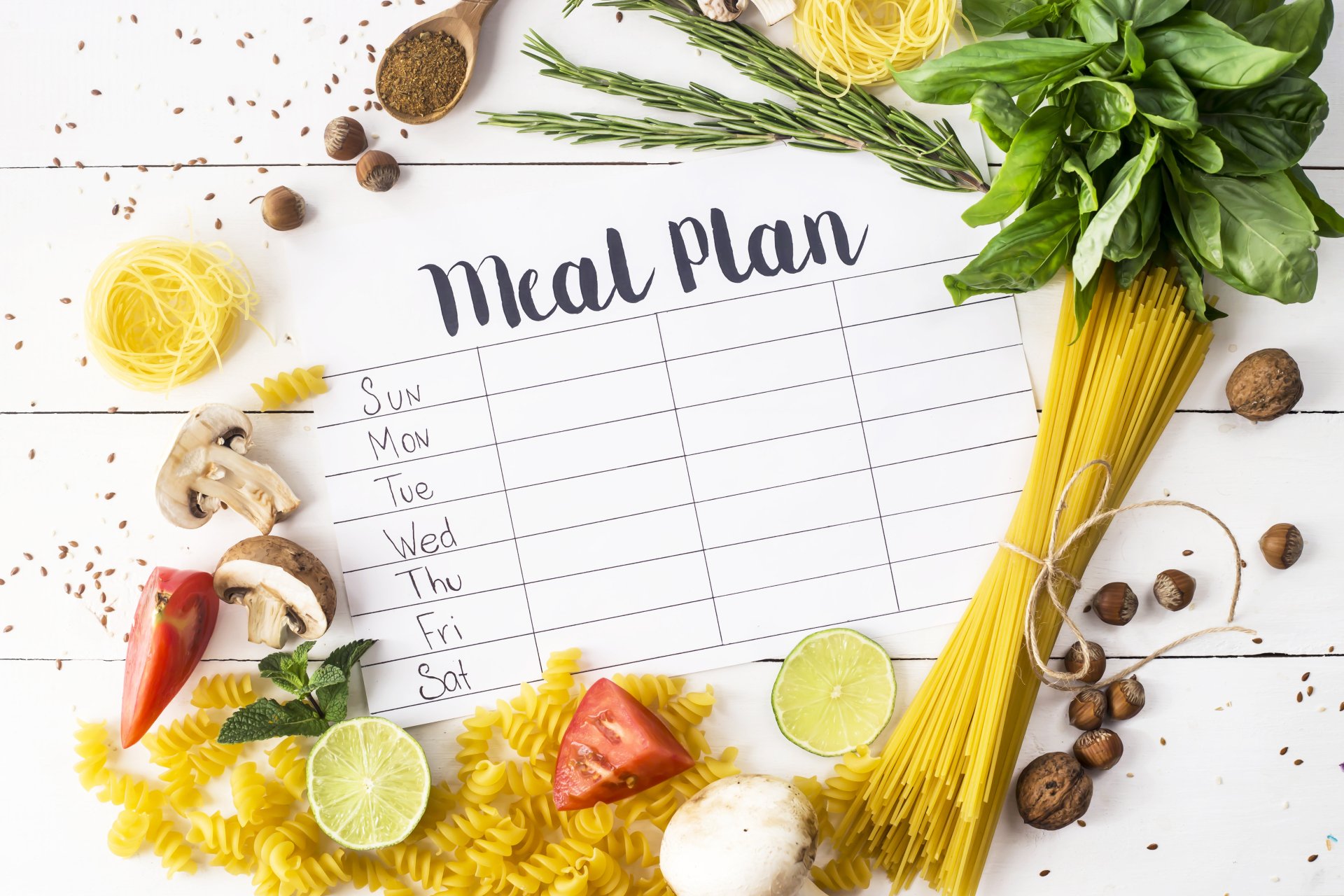
2. Create a template: Designing a weekly meal planning template provides structure and ensures you cover all the necessary food groups. Include spaces for breakfast, lunch, dinner, snacks, and beverages. Leave room for notes or additional reminders such as prepping ingredients or defrosting proteins.
3. Take inventory: Before heading to the grocery store, assess what ingredients you already have in your pantry, refrigerator, and freezer. This step helps reduce waste and allows you to create meals around items that need to be used before they expire.
4. Plan your meals: Begin by selecting a variety of recipes that you enjoy or want to try out during the week. Aim for balance by incorporating vegetables into each meal and ensuring a mix of protein sources (meat, poultry, fish) along with plant-based options such as legumes or tofu.
5. Make a shopping list: Based on your planned meals and available ingredients at home, create a detailed shopping list organized by sections (produce, dairy, grains). Stick to your list while at the store to avoid impulse purchases that may derail your healthy eating goals.
Recipe Ideas:
Here are some simple yet delicious recipe ideas to get you started on your meal planning journey:
1. Breakfast: Overnight oats with mixed berries and almond butter.
– Combine rolled oats with almond milk in a jar.
– Add chia seeds and sweeten with honey or maple syrup if desired.
– Top it off with mixed berries and a dollop of almond butter.
– Refrigerate overnight for an easy grab-and-go breakfast option.
2. Lunch: Quinoa salad with roasted vegetables.
– Cook quinoa according to package instructions.
– Roast an assortment of colorful vegetables (bell peppers,
zucchini) drizzled in olive oil until tender but still crisp.
– Toss cooked quinoa with roasted veggies in a lemon vinaigrette
dressing (lemon juice + olive oil).
– Enjoy warm or chilled throughout the week.
3. Dinner: Baked salmon with roasted asparagus and quinoa.
– Season salmon fillets with salt, pepper, and a squeeze of lemon
juice.
– Bake at 400°F (200°C) for 12-15 minutes or until cooked through.
– Roast asparagus spears in the oven with olive oil, salt, and
garlic powder until tender.
– Serve salmon on a bed of cooked quinoa alongside the roasted
asparagus.
Conclusion:
Meal planning is a powerful tool that can help you maintain a healthy and balanced diet while saving time and money. By setting realistic goals, creating templates, taking inventory of ingredients, planning meals ahead of time, and making shopping lists based on your needs, you can make meal planning an integral part of your routine. Remember to experiment with new recipes to keep things exciting and enjoyable. With dedication and practice, meal planning will become second nature as you nurture both your body and mind through mindful eating habits.

Leave a Reply