The Raw Food Diet for Vegetarians: A Critique
Introduction:
In recent years, the raw food diet has gained popularity among health enthusiasts and vegetarians alike. Advocates of this dietary approach believe that consuming uncooked and unprocessed foods provides numerous health benefits, including increased energy levels, improved digestion, weight loss, and enhanced nutrient absorption. However, while there are potential advantages to incorporating more raw foods into a vegetarian diet, it is essential to critically evaluate the potential limitations and challenges associated with this eating pattern.
Understanding the Raw Food Diet:
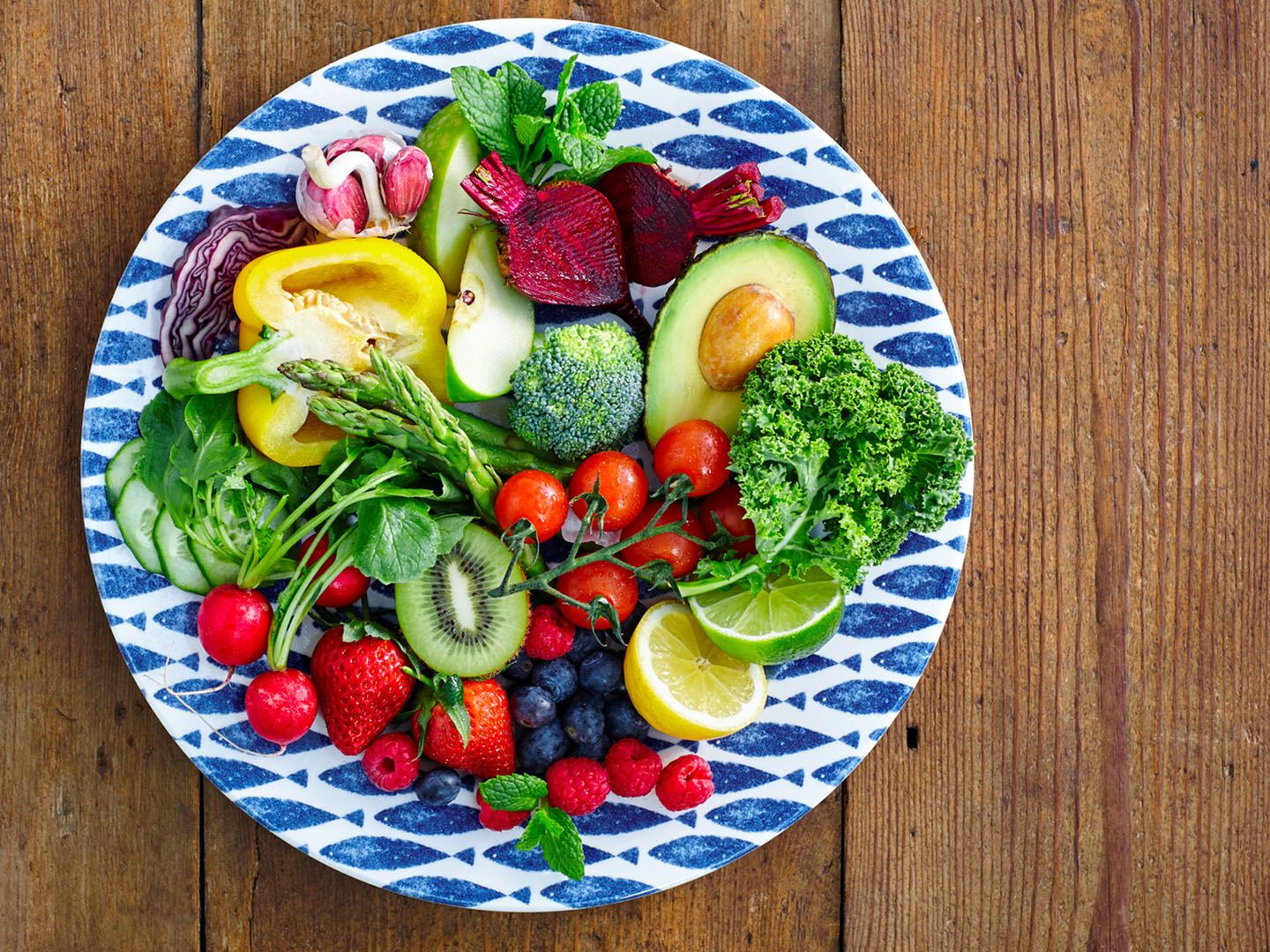
The raw food diet primarily consists of consuming fruits, vegetables, nuts, seeds, sprouted grains, legumes in their natural state—uncooked or minimally processed. The rationale behind this dietary choice is that heating food above 118°F (48°C) destroys enzymes naturally present in them. These enzymes are believed to aid digestion and promote overall well-being.
Proponents argue that cooking also leads to nutrient losses such as vitamins C and B complex due to heat sensitivity. They claim that following a predominantly raw diet can help maintain optimal nutritional content while avoiding potentially harmful substances generated during cooking processes like advanced glycation end-products (AGEs).
Benefits of the Raw Food Diet for Vegetarians:
1. Increased Intake of Nutrient-Dense Foods:
A raw food diet emphasizes whole plant-based foods rich in vitamins C and E, beta-carotene, phytochemicals like polyphenols and flavonoids – all essential nutrients for overall health maintenance.
2. Enhanced Fiber Intake:
Raw fruits and vegetables contain higher amounts of dietary fiber compared to cooked counterparts. Adequate fiber intake supports healthy digestion by promoting regular bowel movements while reducing the risk of constipation.
3. Improved Hydration:
Raw foods often have high water content which contributes significantly towards maintaining hydration levels within the body.
4. Reduced Consumption of Processed Foods:
By adopting a raw food regimen as part of a vegetarian lifestyle, individuals reduce their reliance on processed foods that often contain additives, preservatives, and excessive amounts of salt and sugar.
5. Potential Weight Loss:
The raw food diet is generally low in calories and high in fiber. This combination can contribute to weight loss by promoting satiety, reducing overall calorie intake, and aiding a healthy metabolism.
Potential Limitations of the Raw Food Diet for Vegetarians:
1. Nutrient Deficiencies:
While the raw food diet can be nutritionally adequate if well-planned, it may lead to deficiencies in certain essential nutrients like vitamin B12, iron, omega-3 fatty acids, zinc, calcium, and protein – especially for vegetarians who already have limited sources of these nutrients in their diets.
2. Limited Food Choices:
Following a strictly raw food diet may restrict variety as many staple vegetarian foods such as legumes and grains require cooking before consumption. Cooking also enhances the taste of some vegetables making them more palatable for some individuals.
3. Digestive Challenges:
Raw foods are rich in fiber which can be difficult for some individuals to digest properly leading to discomforts like bloating or gas formation.
4. Microbial Contamination:
Eating uncooked foods increases the risk of consuming harmful bacteria or parasites present on fruits, vegetables or any other unprocessed produce that hasn’t been thoroughly washed or treated with antimicrobial agents.
5. Practicality and Accessibility:
Adhering strictly to a raw food diet requires careful meal planning due to limited options when dining out or attending social events where cooked meals are typically served. Moreover, purchasing organic produce year-round might not be financially feasible for everyone.
Finding Balance: Incorporating Raw Foods into a Vegetarian Diet
Instead of adopting an all-or-nothing approach towards the raw food diet as a vegetarian, one can find balance by incorporating more fresh fruits and vegetables into their daily routine while still enjoying cooked plant-based proteins like beans, lentils, seeds, and whole grains. This approach allows individuals to reap the benefits of raw foods while ensuring a more nutritionally balanced diet.
Conclusion:
The raw food diet offers certain advantages for vegetarians seeking to improve their health and well-being through dietary choices. Increased intake of nutrient-dense foods, enhanced fiber consumption, improved hydration, reduced reliance on processed foods, and potential weight loss are some of the potential benefits associated with this dietary pattern. However, it is important to consider the potential limitations such as nutrient deficiencies, limited food choices, digestive challenges, microbial contamination risks, practicality issues as well as accessibility concerns.
Finding a balance between raw and cooked foods within a vegetarian diet can help ensure optimal nutrient intake while accommodating individual preferences and lifestyle constraints. Consulting with a healthcare professional or registered dietitian can provide personalized guidance in adopting and maintaining a healthy eating plan that suits one’s specific needs and goals.

Leave a Reply