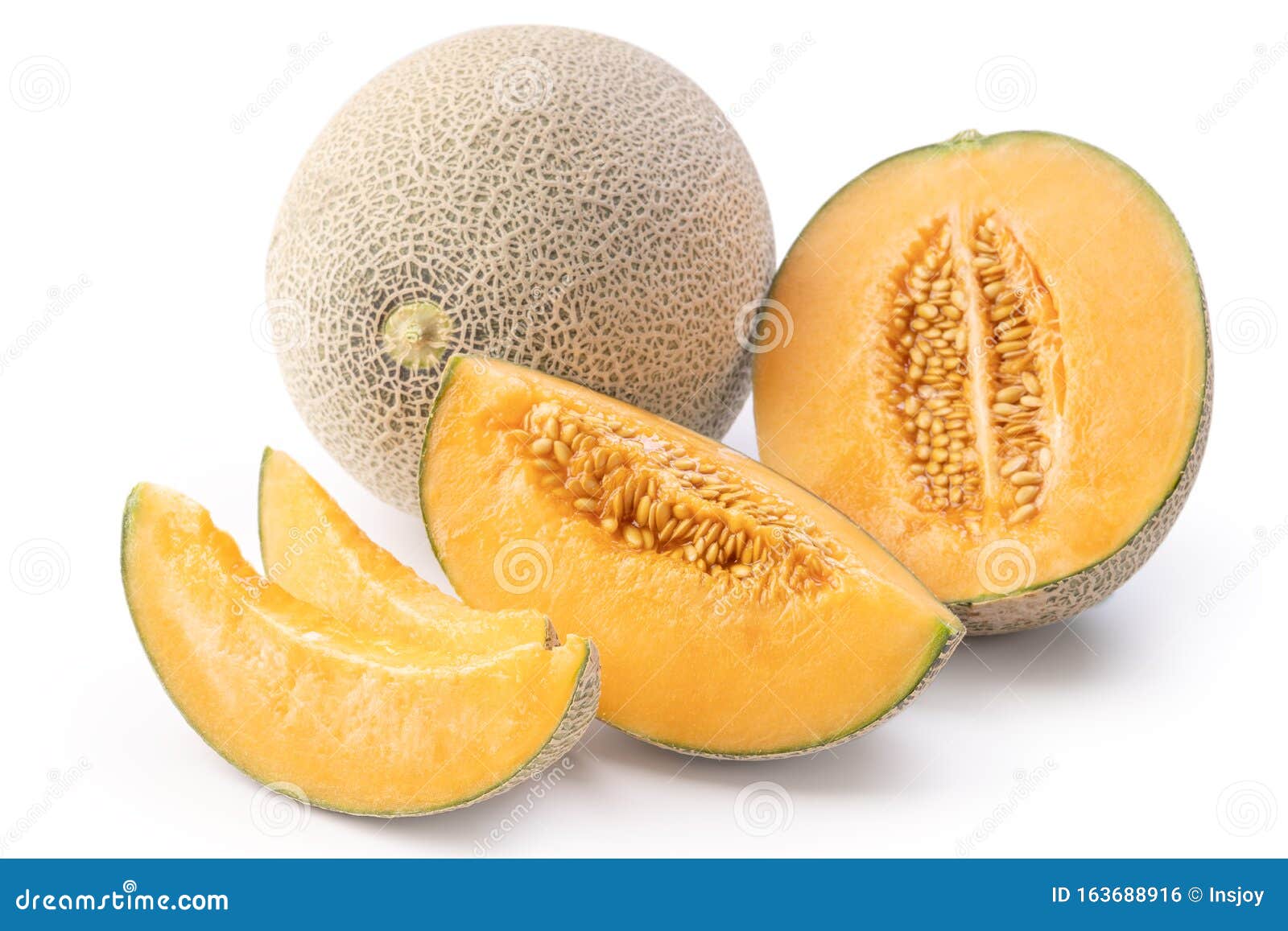
The history and origins of cantaloupe:
Cantaloupe, also known as muskmelon or rockmelon, is a popular fruit that is beloved for its sweet and refreshing flavor. It is believed to have originated in ancient Persia (modern-day Iran) and was cultivated in the region for centuries before being introduced to Europe. The name “cantaloupe” actually comes from Cantalupo, a papal estate near Rome where the fruit was grown during the Renaissance.
Different varieties of cantaloupe and their unique flavors:
There are several different varieties of cantaloupe, each with its own distinct flavor profile. The most common variety found in grocery stores is the North American cantaloupe, which has a pale orange flesh and a mildly sweet taste. Another popular type is the European cantaloupe, also known as Charentais melon, which hails from France. This variety has a deep orange flesh that is incredibly juicy and intensely sweet.
In addition to these well-known types, there are also specialty varieties such as the honeydew melon (which has a light green flesh and subtle sweetness) and Crenshaw melon (known for its pale green skin and rich flavor). Each variety offers something unique in terms of taste and texture, making them versatile ingredients for various culinary applications.
How to properly select a ripe cantaloupe at the grocery store:
Choosing a ripe cantaloupe can sometimes be challenging since it’s not always easy to tell just by looking at it. However, there are some key factors you can consider when selecting this delicious fruit at the grocery store.
Firstly, pay attention to its weight – a ripe cantaloupe should feel heavy for its size. Next, examine the rind carefully; it should have an even color with no signs of bruising or soft spots. A slightly rough texture on the outer surface indicates ripeness as well.
One useful trick is to gently press on the stem end of the cantaloupe. If it gives slightly and feels slightly soft, then it is likely ripe. However, if it feels too firm or doesn’t yield at all, it may not be fully ripe yet.
Lastly, give the fruit a sniff near the blossom end. A ripe cantaloupe will have a sweet aroma that indicates its readiness to be enjoyed. Trust your senses when choosing a cantaloupe, and you’ll likely find one that is perfectly ripe and bursting with flavor.
Creative ways to incorporate cantaloupe into salads:
Cantaloupe’s natural sweetness and refreshing taste make it an excellent addition to salads. Here are some creative ideas for incorporating this delicious fruit into your salad creations:
1. Cantaloupe Caprese Salad: Combine cubes of ripe cantaloupe with fresh mozzarella balls (bocconcini) and cherry tomatoes. Drizzle with balsamic glaze and garnish with basil leaves for an Italian-inspired twist on a classic caprese salad.
2. Mediterranean Melon Salad: Toss together diced cantaloupe, cucumber slices, crumbled feta cheese, Kalamata olives, red onion slices, and mint leaves in a lemon vinaigrette dressing for a light and refreshing summer salad.
3. Spinach Cantaloupe Salad: Mix baby spinach leaves with sliced cantaloupe chunks, crumbled goat cheese or feta cheese, toasted almonds or walnuts, and dried cranberries or raisins. Dress lightly with lemon-poppy seed vinaigrette for a delightful combination of flavors.
4. Grilled Cantaloupe Salad: Slice thick wedges of cantaloupe and grill them until they have beautiful grill marks but still retain their shape. Serve them atop mixed greens along with grilled chicken or shrimp skewers, crumbled blue cheese, and a drizzle of honey-lime dressing.
5. Tropical Fruit Salad: Combine cantaloupe chunks with other tropical fruits like pineapple, mango, and kiwi. Add a squeeze of lime juice and sprinkle with shredded coconut for a taste of the tropics in every bite.
Cantaloupe smoothie recipes for a refreshing treat:
Smoothies are an excellent way to enjoy the natural sweetness and juiciness of cantaloupe while staying cool during hot summer days. Here are some delightful cantaloupe smoothie recipes to try:
1. Classic Cantaloupe Smoothie: In a blender, combine one cup of diced ripe cantaloupe, one frozen banana, half a cup of Greek yogurt, and a splash of orange juice or almond milk. Blend until smooth and creamy.
2. Cantaloupe-Berry Blast: Blend together one cup of diced cantaloupe, half a cup each of frozen strawberries and blueberries, half a cup of unsweetened coconut water or apple juice, and a handful of ice cubes until well combined.
3. Minty Melon Cooler: In your blender, combine one cup each of diced cantaloupe and honeydew melon along with fresh mint leaves (to taste), the juice from half a lime or lemon, and some coconut water or plain water. Blend until smooth.
4. Tropical Sunrise Smoothie: Blend one cup each of diced cantaloupe and pineapple with half an orange (juiced), half a banana (frozen), coconut milk (to desired consistency), ice cubes if desired for extra chillness.
The nutritional benefits of eating cantaloupe regularly:
Cantaloupes are not only delicious but also packed with essential nutrients that can benefit overall health when consumed regularly. Here’s why you should consider adding this fruit to your diet:
1. High in vitamin C: Cantaloupes are an excellent source of vitamin C, which is known for its immune-boosting properties. Just one cup of cantaloupe provides more than 100% of the recommended daily intake of this essential nutrient.
2. Hydrating fruit: With a high water content (about 90%), cantaloupes can help keep you hydrated, especially during hot summer months or strenuous activities.
3. Rich in antioxidants: Cantaloupes contain various antioxidants such as beta-carotene, lutein, and zeaxanthin. These compounds help neutralize harmful free radicals in the body and protect against oxidative stress and cellular damage.
4. Good source of fiber: Cantaloupes provide a decent amount of dietary fiber, which aids in digestion and helps maintain healthy bowel movements.
5. Low in calories: Despite their sweet taste, cantaloupes are relatively low in calories compared to other fruits like bananas or grapes. This makes them a great choice for those watching their calorie intake while still satisfying their sweet cravings naturally.
6. Contains potassium: Cantaloupes are rich in potassium, an essential mineral that plays a crucial role in maintaining proper heart health, regulating blood pressure levels, and supporting muscle function.
Exploring the vitamins and minerals found in cantaloupe:
Cantaloupe is not only delicious but also loaded with important vitamins and minerals that contribute to overall health and well-being. Here’s a closer look at what this fruit offers:
1. Vitamin A: Cantaloupe is an excellent source of vitamin A due to its high beta-carotene content – a precursor to vitamin A. This essential nutrient promotes healthy vision, supports immune function, maintains skin health, and contributes to normal growth and development.
2. Vitamin C: As mentioned earlier, cantaloupe is packed with vitamin C – an antioxidant that supports collagen production (important for healthy skin and connective tissues), boosts immune function, aids in iron absorption, and protects against oxidative stress.
3. Potassium: Cantaloupes are a good source of potassium, which helps maintain proper fluid balance, supports nerve function, regulates blood pressure levels, and promotes muscle contractions.
4. Folate: Cantaloupes contain folate (vitamin B9), an essential nutrient that plays a vital role in cell growth and division. Adequate intake of folate is particularly important for pregnant women as it helps prevent neural tube defects in developing fetuses.
5. Vitamin K: Cantaloupes also provide vitamin K – a fat-soluble vitamin necessary for proper blood clotting. Additionally, vitamin K contributes to bone health by assisting in the regulation of calcium metabolism.
Cantaloupe as a hydrating fruit for summer months:
One of the most significant advantages of cantaloupe is its high water content. With about 90% water content per serving, this fruit can help keep you hydrated during hot summer months or strenuous activities.
Staying properly hydrated is crucial for maintaining optimal bodily functions such as regulating body temperature, lubricating joints, aiding digestion and circulation, delivering nutrients to cells efficiently, and flushing out waste products from the body.
In addition to its hydration benefits, cantaloupe’s natural sweetness makes it an appealing alternative to sugary drinks or snacks when trying to quench your thirst on hot days. Enjoying chilled slices of fresh cantaloupe can be not only refreshing but also more nutritious compared to reaching for artificially sweetened beverages or processed snacks that may contribute empty calories.
Cantaloupe’s role in promoting healthy digestion:
Including cantaloupe regularly in your diet can support digestive health due to its fiber content and hydrating properties:
1. Dietary fiber: Cantaloupes contain dietary fiber that aids digestion by adding bulk to stool and promoting regular bowel movements. Adequate fiber intake is essential for preventing constipation and maintaining a healthy digestive system.
2. Water content: As mentioned earlier, cantaloupes are primarily composed of water, making them an excellent hydrating fruit. Staying hydrated is crucial for optimal digestion as it helps soften stool, prevent dehydration-related complications like constipation, and promote the smooth movement of food through the digestive tract.
3. Enzymes: Cantaloupes contain enzymes that can help break down proteins during the digestion process, potentially easing the burden on your digestive system.
If you’re looking to support healthy digestion or alleviate occasional digestive issues such as constipation, incorporating fiber-rich fruits like cantaloupe into your diet can be beneficial. Pairing cantaloupe with other high-fiber foods such as whole grains, vegetables, and legumes can further enhance its positive impact on your digestive health.
The potential anti-inflammatory properties of cantaloupe:
Inflammation is a natural response by the body to protect against injury or infection. However, chronic inflammation has been linked to various diseases including heart disease, diabetes, arthritis, and certain types of cancer.
Cantaloupes may offer some anti-inflammatory benefits due to their high antioxidant content:
1. Vitamin C: Cantaloupes are an excellent source of vitamin C – a potent antioxidant that helps neutralize harmful free radicals in the body and reduce oxidative stress associated with chronic inflammation.
2. Beta-carotene: Cantaloupes’ vibrant orange color comes from beta-carotene – another powerful antioxidant known for its anti-inflammatory properties. Beta-carotene converts to vitamin A in the body and supports immune function while reducing inflammation.
3. Flavonoids: Cantaloupes also contain flavonoids like quercetin and kaempferol that exhibit anti-inflammatory effects by inhibiting inflammatory pathways in the body’s cells.
While more research is needed to fully understand cantaloupe’s specific anti-inflammatory effects, incorporating this fruit into a well-balanced diet rich in other fruits and vegetables can contribute to an overall anti-inflammatory lifestyle.
Cantaloupe as a natural source of antioxidants:
Antioxidants are compounds that help protect the body against damage caused by harmful molecules called free radicals. Cantaloupes are packed with various antioxidants that contribute to their vibrant color and potential health benefits:
1. Beta-carotene: Cantaloupes are particularly rich in beta-carotene – a pigment responsible for their orange hue. Beta-carotene is converted into vitamin A in the body, which acts as an antioxidant and supports healthy vision, immune function, and skin health.
2. Vitamin C: As mentioned earlier, cantaloupes provide a generous amount of vitamin C – an antioxidant that helps neutralize free radicals, boost immune function, support collagen production for healthy skin, and protect against oxidative stress.
3. Flavonoids: Cantaloupes contain flavonoids such as quercetin and kaempferol that possess antioxidant properties. These compounds help reduce inflammation and may play a role in protecting against chronic diseases like heart disease and certain types of cancer.
4. Lutein and zeaxanthin: These carotenoid antioxidants found in cantaloupes are known for their eye-protective properties. They accumulate in the retina where they absorb damaging blue light from electronic devices or sunlight while reducing the risk of age-related macular degeneration (AMD).
By consuming cantaloupe regularly along with other fruits and vegetables rich in antioxidants, you can support your body’s defense mechanisms against oxidative stress-related damage.
How to properly store and preserve fresh cantaloupe at home:
To ensure maximum freshness and maintain optimal flavor when storing fresh cantaloupe at home, follow these guidelines:
1. Choose ripe cantaloupes: Select fully ripe cantaloupes when purchasing to enjoy the best flavor and texture. Look for fruits that are heavy for their size, have a sweet aroma, and yield slightly to gentle pressure near the stem end.
2. Store at room temperature: If your cantaloupe is not yet fully ripe, you can store it at room temperature until it reaches desired ripeness. Placing it in a paper bag can help speed up the ripening process by trapping natural ethylene gas produced by the fruit.
3. Refrigerate once fully ripe: Once your cantaloupe is perfectly ripe, transfer it to the refrigerator to maintain its freshness. Place whole uncut melons in a clean plastic bag or wrap them tightly with plastic wrap before refrigerating.
4. Keep away from other produce: Cantaloupes release ethylene gas as they ripen, which can accelerate spoilage of other nearby fruits and vegetables. To prevent this, store cantaloupes separately from other produce items in your refrigerator’s crisper drawer.
5. Consume within a week: While properly stored cantaloupes can last up to a week in the refrigerator without losing too much quality, it’s best to consume them as soon as possible for optimal taste and texture.
Unique ways to use cantaloupe in savory dishes:
While commonly enjoyed on its own or added to sweet recipes like salads or smoothies, cantaloupe can also lend its unique flavor and sweetness to savory dishes. Here are some creative ideas for incorporating this versatile fruit into savory recipes:
1. Salsa fresca with Cantaloupe: Combine diced fresh tomatoes, red onion, jalapeno pepper (seeded), cilantro leaves, lime juice (to taste), salt & pepper along with finely diced pieces of ripe but firm cantaloupe chunks for an unexpected twist on classic salsa fresca.
2. Grilled Cantaloupe with Prosciutto: Slice cantaloupe into thick wedges and grill them until slightly charred. Wrap each grilled slice with a piece of prosciutto or other cured ham for an elegant appetizer or light summer meal.
3. Cantaloupe Gazpacho: In a blender, combine diced ripe cantaloupe, chopped cucumber, bell pepper, tomato, red onion, garlic clove (optional), lime juice (to taste), olive oil, salt & pepper. Blend until smooth and chill before serving as a refreshing cold soup.
4. Spicy Fruit Salad: Mix diced cantaloupe with other tropical fruits like pineapple, mangoes, and papaya along with sliced chili peppers (such as jalapeno) for a sweet-spicy fruit salad that pairs well with grilled meats or fish.
5. Cantaloupe Skewers: Thread cubes of ripe cantaloupe onto skewers alternating with cherry tomatoes and small balls of mozzarella cheese for an easy yet impressive appetizer. Drizzle lightly with balsamic glaze before serving.
These unique savory recipes showcase the versatility of cantaloupes beyond traditional sweet applications while adding delightful flavors to your meals.
In conclusion:
Cantaloupes are not only delicious but also offer numerous health benefits when incorporated into a balanced diet. From their rich history and origins to their various varieties and flavors, there is much to explore about this popular fruit.
Knowing how to select ripe cantaloupes at the grocery store ensures you get the best quality fruit every time. Additionally, incorporating this versatile ingredient in creative ways – whether in salads or smoothies – can elevate your culinary experience while reaping its nutritional benefits.
Cantaloupes’ hydrating properties make them ideal for summer months when staying properly hydrated is crucial for overall well-being. Their role in promoting healthy digestion further adds to their appeal as a nutritious fruit.
With potential anti-inflammatory properties, cantaloupes may contribute to overall health by reducing chronic inflammation. They are also packed with antioxidants that protect the body against oxidative stress and cellular damage.
Knowing how to properly store and preserve fresh cantaloupe at home ensures maximum freshness and flavor. Lastly, exploring unique ways to use cantaloupe in savory dishes adds an unexpected twist to your meals.
Whether you enjoy it on its own or incorporate it into various recipes, cantaloupe is a versatile fruit that offers both great taste and numerous health benefits. So go ahead, grab a ripe cantaloupe, and start enjoying all that this delicious fruit has to offer!

Leave a Reply