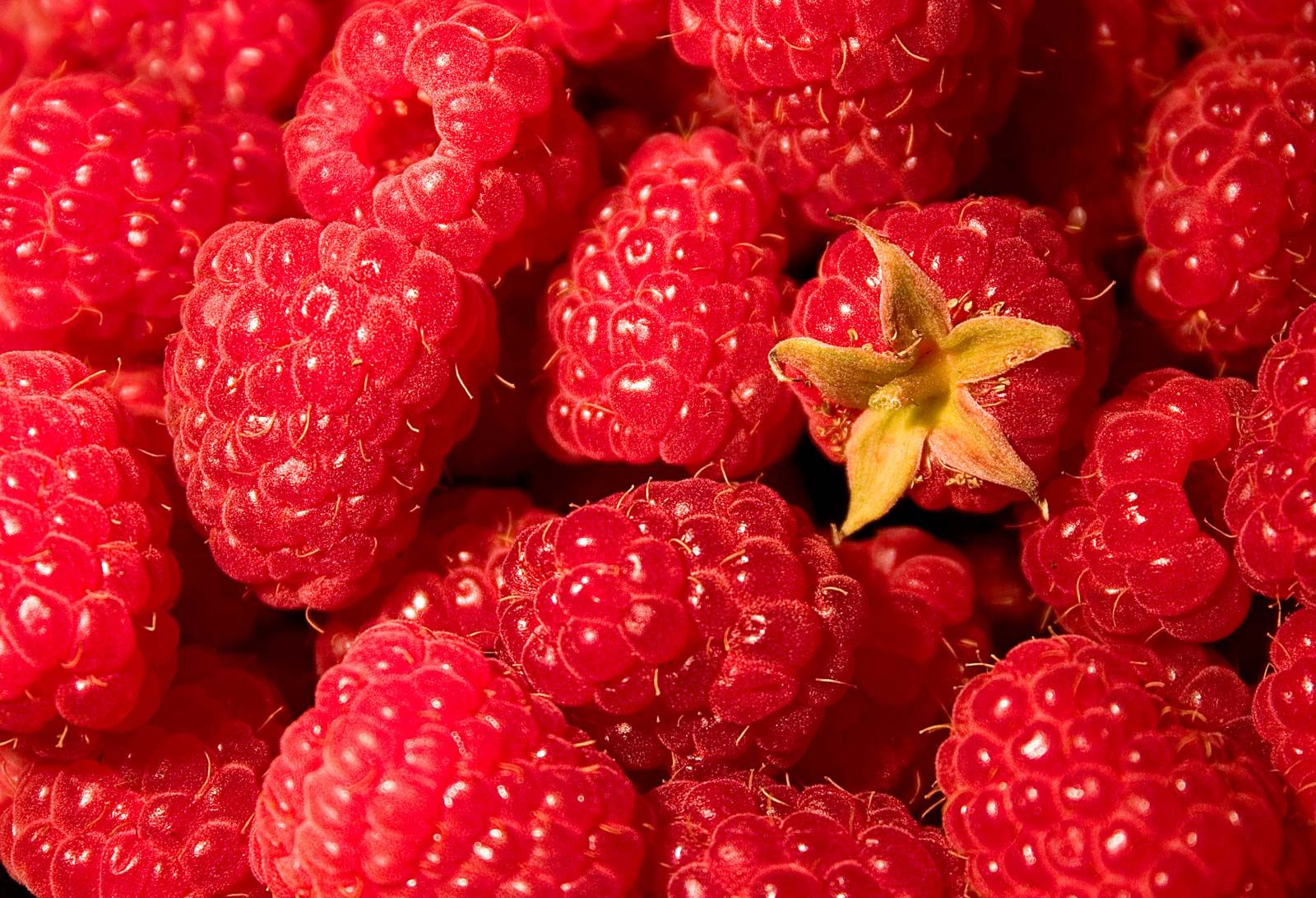
Different Varieties of Raspberries
Raspberries are a beloved fruit known for their bright red color and sweet-tart flavor. While most people are familiar with the classic red raspberry, there is actually a wide variety of raspberries that come in different colors and flavors. Let’s take a closer look at some of these delightful variations.
1. Red Raspberries: These are the most commonly found raspberries, known for their vibrant red color and juicy texture. They have a perfect balance of sweetness and acidity, making them ideal for eating fresh or using in various culinary creations.
2. Golden Raspberries: If you’re looking for something different, golden raspberries might pique your interest. As their name suggests, they have a beautiful golden hue that adds an elegant touch to any dish. Golden raspberries tend to be sweeter than their red counterparts and have a milder flavor profile.
3. Black Raspberries: With their deep purple-black hue, black raspberries offer a unique taste experience. They have an intense berry flavor with subtle floral undertones that make them perfect for jams or baking projects.
4. Purple Raspberries: A cross between red and black varieties, purple raspberries combine the best qualities of both types. They boast a rich flavor similar to black raspberries but retain the size and shape of traditional red ones.
5. Yellow Raspberries: These lesser-known yellow gems are mild in taste with lower acidity levels compared to other varieties. Their delicate sweetness makes them enjoyable as a snack on their own or as an addition to salads.
The History and Origin of Raspberries
The history of raspberrries traces back thousands of years ago when they were first discovered growing wild in Europe and Asia Minor regions such as Greece and Turkey. The cultivation of this delectable fruit began during the Roman Empire around 23 AD when it was introduced to Britain by Roman soldiers returning from their conquests.
Raspberries were highly valued by the Romans and Greeks for both their culinary and medicinal purposes. They believed that raspberries possessed numerous health benefits, including the ability to cure various ailments such as sore throats, stomachaches, and even snakebites. However, it wasn’t until much later that raspberries gained popularity as a cultivated fruit.
In the 17th century, raspberry cultivation spread across Europe with notable advancements in breeding techniques leading to improved varieties. The United States became acquainted with raspberries during colonial times when European settlers brought them over. Today, raspberries are grown worldwide, with different regions specializing in specific varieties due to variations in climate and soil conditions.
Lesser-Known Health Benefits of Raspberries
Raspberries may be small but they pack a punch when it comes to nutritional value. These little fruits are rich in vitamins C and K and provide a good amount of dietary fiber. Beyond these well-known benefits, there are some lesser-known health advantages that make raspberries even more enticing.
1. Antioxidant Powerhouse: Raspberries contain high levels of antioxidants, particularly anthocyanins which give them their vibrant color. These antioxidants help protect our cells from damage caused by free radicals and have been linked to reducing the risk of chronic diseases such as heart disease and certain types of cancer.
2. Anti-Inflammatory Properties: Inflammation is at the root of many health issues today, ranging from arthritis to obesity-related complications. Raspberries contain compounds like ellagitannins that possess anti-inflammatory properties which can aid in reducing inflammation throughout the body.
3. Blood Sugar Regulation: Despite their sweet taste, raspberries have a low glycemic index thanks to their high fiber content. This means they cause a slower rise in blood sugar levels compared to other sugary foods or beverages – making them an excellent choice for individuals monitoring their blood sugar levels or following a diabetic diet.
4. Weight Management: Raspberries are a satisfying and low-calorie fruit, making them an excellent addition to weight loss or weight management plans. The fiber content in raspberries helps keep you feeling full for longer, reducing the likelihood of overeating.
Raspberry Leaf Tea and its Benefits
While most people focus on the berries themselves, raspberry leaf tea is gaining popularity due to its potential health benefits. Raspberry leaves have been used for centuries in traditional medicine practices for their medicinal properties, particularly in women’s health.
Raspberry leaf tea is made from dried raspberry leaves steeped in hot water. It has a mild flavor with earthy undertones that pairs well with a touch of honey or lemon if desired. Here are some potential benefits associated with drinking raspberry leaf tea:
1. Menstrual Cycle Support: Raspberry leaf tea is often recommended for women experiencing discomfort during their menstrual cycle. It may help reduce cramping, alleviate heavy flow, and regulate irregular periods.
2. Pregnancy Support: Many midwives and herbalists suggest raspberry leaf tea during pregnancy as it is believed to strengthen the uterus muscles and potentially ease labor pain. However, it’s important to consult with a healthcare professional before incorporating it into your routine during pregnancy.
3. Digestive Aid: Raspberry leaf tea has traditionally been used as a digestive aid due to its high tannin content which can help soothe upset stomachs and relieve symptoms such as nausea or diarrhea.
4. Antioxidant Boost: Just like the berries themselves, raspberry leaves contain antioxidants that contribute to overall health and well-being by neutralizing harmful free radicals in the body.
It’s worth noting that while there are anecdotal claims supporting these benefits, more research is needed to fully understand the effects of raspberry leaf tea on various health conditions.
Raspberry Vinegar and Its Culinary Uses
Move aside balsamic vinegar! Raspberry vinegar offers a unique twist when it comes to adding flavor and depth to your culinary creations. Made by infusing raspberries into vinegar, this tangy condiment is a versatile addition to both sweet and savory dishes.
Raspberry vinegar adds a burst of fruity acidity that complements a range of ingredients. Here are some delightful ways to incorporate raspberry vinegar into your cooking:
1. Salad Dressings: Raspberry vinegar makes an excellent base for homemade salad dressings, lending a bright and refreshing taste to greens or grain-based salads.
2. Marinades: Use raspberry vinegar as part of the marinade for meats or tofu, imparting a sweet-tart flavor profile along with tenderizing properties.
3. Sauces: Add a splash of raspberry vinegar to fruit-based sauces like cranberry sauce or compotes for an extra layer of complexity and balance.
4. Cocktails & Mocktails: Raspberry vinegar can be transformed into shrubs – syrups made from fruit-infused vinegars – which add zing and depth when mixed with sparkling water or used in cocktails.
5. Reductions: Drizzle reduced raspberry vinegar over roasted vegetables, grilled meats, or even desserts like cheesecake for an unexpected burst of flavor.
Remember that a little goes a long way with raspberry vinegar due to its intense flavor profile, so use it sparingly until you find the perfect balance in your recipes!
Raspberry Desserts Beyond Pie and Jam
When it comes to raspberries, many people immediately think of classic desserts like pies and jams. While these options are undeniably delicious, there’s more than one way to satisfy your craving for something sweet featuring these delightful berries! Here are some unique raspberry dessert ideas that will take your taste buds on an adventure:
1. Raspberry Fool: This creamy British dessert combines fresh raspberries with whipped cream or custard for an indulgent treat that’s quick and easy to make.
2. Chocolate-Raspberry Tart: A decadent combination loved by many, a rich chocolate tart filled with fresh raspberries is sure to impress both your eyes and palate.
3. Raspberry Eton Mess: This traditional English dessert layers crushed meringue, whipped cream, and raspberries for a delightful mess of textures and flavors.
4. Raspberry Mousse Cake: Light and airy raspberry mousse layered between sponge cake or ladyfingers creates an elegant dessert perfect for special occasions.
5. Raspberry Pavlova: A pavlova is a meringue-based dessert topped with whipped cream and fresh fruits. The addition of tangy raspberries makes it even more heavenly!
6. Raspberry Panna Cotta: Creamy, delicate panna cotta infused with the natural sweetness of raspberries is a sophisticated yet simple dessert that’s sure to impress.
7. Raspberry Coconut Macaroons: These chewy coconut cookies get an extra burst of flavor when studded with juicy raspberries – an irresistible combination!
These are just a few examples of how you can elevate your raspberry desserts beyond the usual suspects. Don’t be afraid to experiment in the kitchen and let your creativity shine through!
Growing Raspberries in Small Spaces or Containers
You don’t need acres of land or a sprawling garden to enjoy homegrown raspberries! Even if you have limited space, growing these delicious berries is still within reach by utilizing containers or small-space gardening techniques. Here’s how you can grow raspberries in tight quarters:
1. Selecting the Right Variety: Look for compact varieties specifically bred for container gardening such as ‘Raspberry Shortcake’ or ‘Ruby Beauty’. These cultivars have smaller growth habits that make them suitable for pots or small areas.
2. Choosing the Container: Opt for large containers with drainage holes to ensure proper water drainage and root health. Half-barrel planters, fabric bags, or even repurposed wooden crates are great options.
3. Soil Preparation: Use well-draining potting soil mixed with compost or organic matter to provide the necessary nutrients for your raspberry plants.
4. Planting and Spacing: Place one raspberry plant per container, positioning it in the center. Follow the spacing guidelines provided by the cultivar you choose to ensure proper growth and airflow between plants.
5. Sunlight Requirements: Raspberries thrive in full sun, so place your containers in a location that receives at least six hours of direct sunlight each day.
6. Watering and Fertilizing: Keep the soil consistently moist but not waterlogged, as raspberries prefer well-drained conditions. Regularly feed your plants with a balanced fertilizer according to package instructions.
7. Pruning and Support: As your raspberry plants grow, provide support such as stakes or trellises to keep them upright. Prune annually during dormancy to remove dead canes and promote new growth.
8. Pest Control: Monitor for common pests like aphids or spider mites which can affect raspberry plants even in containers. Use organic pest control methods if needed or consult local gardening resources for advice specific to your region.
With some careful planning and maintenance, you’ll soon be enjoying bountiful harvests of freshly grown raspberries right from your own small space!
Unique Raspberry Recipes From Around The World
Raspberries are beloved worldwide for their sweet-tart flavor profile and vibrant color, making them a versatile ingredient that finds its way into various dishes across different cultures. Here are some unique raspberry recipes from around the world that will surely tickle your taste buds:
1. Norway – Multekrem: This traditional Norwegian dessert combines cloudberries (similar to raspberries) with whipped cream for a luscious treat often served on waffles or pancakes.
2. France – Framboisier Cake: The French are known for their exquisite pastries, and framboisier cake is no exception! Layers of almond genoise cake, raspberry filling, and whipped cream create a visually stunning dessert.
3. Italy – Crostata di Lamponi: A rustic Italian tart featuring raspberries encased in a buttery pastry crust is the perfect showcase for these delightful berries.
4. Sweden – Rårörda Hallon: In Sweden, rårörda hallon refers to macerated raspberries that are lightly sweetened and served with pancakes, waffles, or as a topping for ice cream.
5. Greece – Yiaourti me Mora: This Greek dessert pairs creamy yogurt with fresh raspberries and honey for a simple yet divine treat that celebrates the natural sweetness of the fruit.
6. Australia/New Zealand – Pavlova: While pavlova is traditionally topped with kiwi fruit in its home countries, it also harmonizes beautifully with tangy raspberries atop the crispy meringue base.
7. United States – Raspberry Swirl Cheesecake: A classic American favorite gets an upgrade by incorporating swirls of raspberry puree into a rich and creamy cheesecake filling.
These recipes highlight how raspberries can be utilized in various cultural cuisines to create unique flavor combinations that will transport your taste buds around the world!
Raspberries as a Natural Food Coloring Alternative
When it comes to adding vibrant colors to food or baked goods, many people turn to artificial food dyes loaded with chemicals. However, nature provides us with an excellent alternative – raspberries! The deep red hue of ripe raspberries can be used as a natural food coloring option without any synthetic additives. Here’s how you can use raspberries as a colorful substitute:
1. Homemade Frostings & Icings: Puree fresh or frozen raspberries and strain out the seeds using cheesecloth or a fine-mesh sieve. Add this vibrant juice to your frostings or icings for beautiful pink hues while imparting natural flavor.
2. Smoothie Bowls & Nice Cream: Blend frozen raspberries with a splash of liquid (such as coconut milk or almond milk) to create a colorful base for smoothie bowls or dairy-free nice cream recipes.
3. Pancake or Waffle Batter: Fold crushed raspberries into pancake or waffle batter for rosy-hued breakfast treats that are sure to delight both kids and adults.
4. Yogurt Parfaits & Chia Puddings: Layer fresh raspberries, raspberry puree, and yogurt or chia pudding for visually appealing and nutritious breakfasts or snacks.
5. Infused Water & Lemonades: Drop a handful of raspberries into your water pitcher along with some lemon slices for a refreshing drink that’s as beautiful as it is flavorful.
Raspberry-infused water can add an elegant touch to parties, while using raspberry juice instead of artificial pink dye in lemonades ensures you’re sipping on something all-natural!
Raspberry Smoothies for Post-Workout Recovery
After an intense workout session, replenishing energy levels and aiding muscle recovery is crucial. While protein shakes are often the go-to option, why not switch things up by incorporating raspberries into your post-workout routine? These vibrant berries offer numerous health benefits while adding a burst of flavor to your smoothies. Here are some delicious raspberry smoothie ideas:
1. Raspberry Banana Protein Shake: Blend together frozen raspberries, ripe bananas, Greek yogurt, almond milk (or any preferred liquid), and your favorite protein powder for a nutrient-packed recovery shake.
2. Green Raspberry Smoothie: Combine spinach (or kale), cucumber slices, frozen raspberries, fresh mint leaves, lime juice, honey (optional), and water in a blender for an antioxidant-rich green smoothie with a delightful twist!
3. Raspberry Beet Booster: Boost your post-workout nutrition by blending roasted beets (pre-cooked), frozen raspberries, coconut water, chia seeds, and a squeeze of lemon for an energizing and refreshing smoothie.
4. Raspberry Mango Tango: For a tropical twist, blend together frozen raspberries, ripe mango chunks, pineapple juice (or coconut water), and a splash of lime juice to create a fruity fusion that will transport you to paradise.
These raspberry smoothies offer a balance of carbohydrates, protein, antioxidants, and other essential nutrients necessary for replenishing your body after exercise – all while enjoying the delightful flavor combination!
Raspberry Skincare Products and Homemade Remedies
While raspberries are most commonly enjoyed as a food or beverage ingredient, their benefits extend beyond the kitchen. The natural compounds found in raspberries can be harnessed for skincare purposes due to their antioxidant properties. Here are some ways you can incorporate raspberries into your skincare routine:
1. DIY Face Masks: Mash fresh raspberries with honey or yogurt to create an antioxidant-rich face mask that helps hydrate the skin while reducing inflammation and redness.
2. Lip Scrub: Combine mashed raspberries with sugar or coffee grounds for an exfoliating lip scrub that removes dead skin cells while leaving lips soft and supple.
3. Body Scrubs: Blend fresh or frozen raspberries with sugar or salt along with moisturizing oils like almond oil or coconut oil to create an invigorating body scrub that promotes silky-smooth skin.
4. Toner: Steep dried raspberry leaves in boiling water until cooled; strain out the leaves and use the resulting liquid as a natural toner by applying it gently on cleansed skin using cotton pads.
5. Bath Bombs & Salts: Infuse bath bombs or homemade bath salts with dried raspberry powder for added color and mild fragrance during a relaxing soak in the tub.
Always perform patch tests before using any homemade remedies on your skin to ensure there are no adverse reactions. If you have sensitive skin or any allergies, consult with a dermatologist before trying out these natural skincare solutions.
The Role of Raspberries in Reducing Inflammation
Inflammation is the body’s natural response to injury or infection. However, chronic inflammation can lead to various health issues. Incorporating anti-inflammatory foods into our diet can help combat this ongoing condition. Thankfully, raspberries are one such food that possesses properties that may aid in reducing inflammation. Here’s how raspberries play a role in promoting overall wellness:
1. Anthocyanins: Raspberries owe their vibrant color to anthocyanin pigments, which possess potent antioxidant and anti-inflammatory effects.
2. Ellagitannins: These compounds found in raspberries have been studied for their ability to reduce inflammation markers in the body.
3. Fiber Content: Raspberries are an excellent source of dietary fiber, particularly soluble fiber like pectin which has shown promise in reducing inflammatory markers and supporting gut health.
4. Omega-3 Fatty Acids: While not as abundant as fish or flaxseed oil, raspberry seeds contain small amounts of omega-3 fatty acids known for their anti-inflammatory properties.
While incorporating raspberries into your daily meals won’t cure chronic inflammation alone, they can contribute positively to an overall healthy lifestyle when combined with other nutritious foods and regular exercise.
Raspberries as a Source of Dietary Fiber
Dietary fiber plays a crucial role in maintaining good digestive health and preventing various diseases such as constipation, heart disease, and type 2 diabetes. Luckily for us raspberry enthusiasts, this fruit is packed with fiber! Here’s why raspberries make an excellent addition to your high-fiber diet:
1. Soluble & Insoluble Fiber: Raspberries contain both types of

Leave a Reply