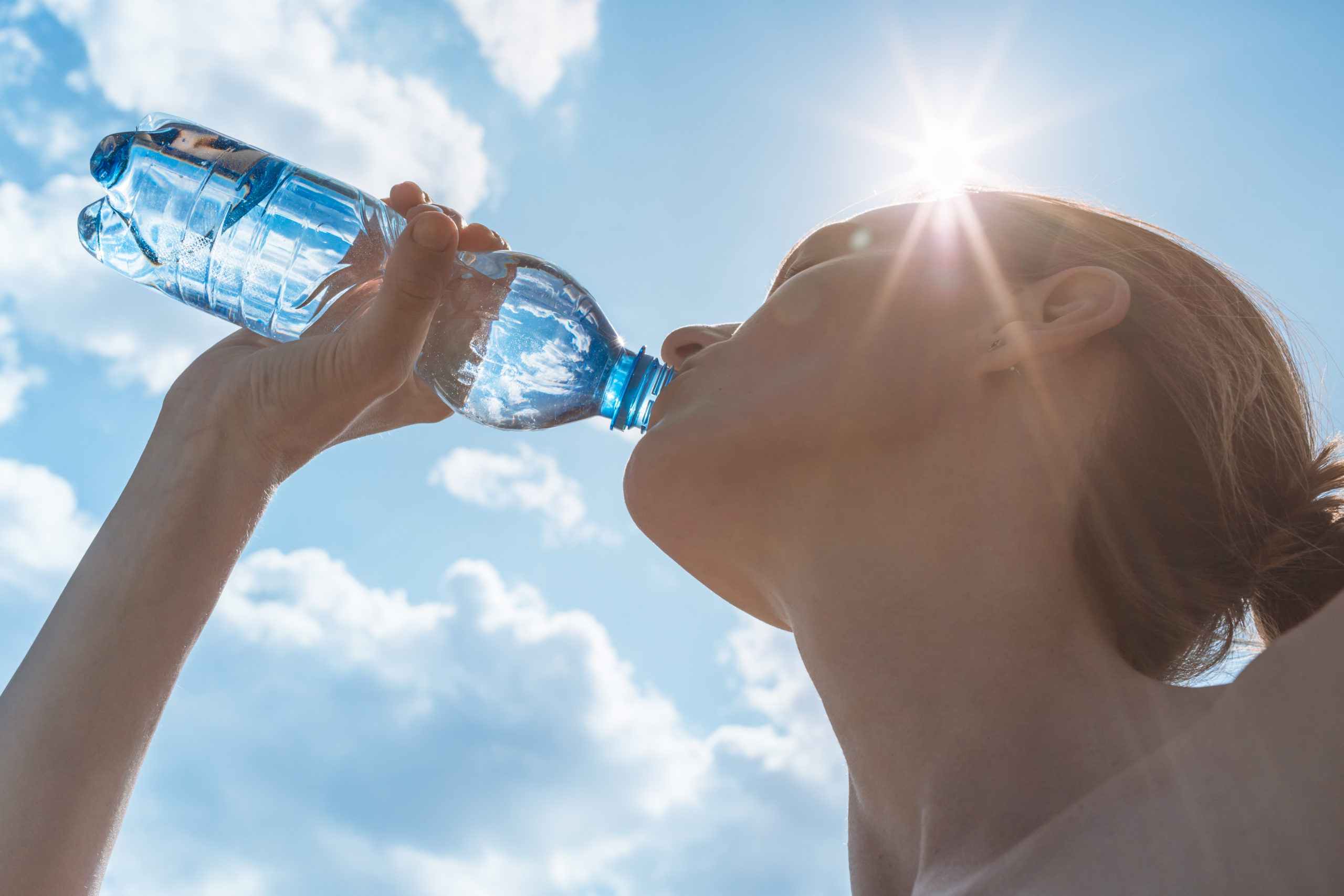
How much water to drink daily: The ultimate guide to staying hydrated
Water is the essence of life. It plays a vital role in maintaining our overall health and well-being. We often hear that it is important to stay hydrated, but do we really know how much water we should be drinking every day? In this comprehensive guide, we will explore the factors that influence our daily water intake, the benefits of proper hydration, and provide practical tips to help you meet your hydration goals.
The human body is composed of about 60% water, which highlights its significance in various bodily functions. Water helps regulate body temperature, aids digestion and nutrient absorption, lubricates joints, flushes out waste products through urine and sweat, and supports optimal brain function.
The amount of water each individual needs can vary based on several factors such as age, sex, weight, activity level, climate conditions, and overall health. On average though, it is recommended that adult males consume about 3.7 liters (or roughly 13 cups) per day while adult females should aim for around 2.7 liters (approximately 9 cups) per day.
However, these figures are just general guidelines. It’s crucial to listen to your body’s cues and adjust your intake accordingly. For instance:
1. Activity level: If you engage in intense physical activities or exercise regularly with high intensity workouts or endurance training sessions lasting longer than an hour at a time – you may need more fluids to compensate for the additional fluid loss through sweat.
2. Climate conditions: Hot weather or living in high-altitude regions can increase your fluid requirements due to increased perspiration rates or higher respiratory water loss.
3. Health conditions: Certain medical conditions like kidney disease or urinary tract infections may require increased fluid intake under the guidance of healthcare professionals.
4. Pregnancy & breastfeeding: Pregnant women have higher fluid needs due to increased blood volume while nursing mothers require even more water to produce breast milk.
Now, let’s dive into the benefits of staying hydrated:
1. Optimal physical performance: Adequate hydration improves endurance, energy levels, and overall athletic performance. Dehydration can lead to reduced stamina, muscle cramps, fatigue, and impaired cognitive function.
2. Weight management: Drinking enough water can support weight loss efforts by increasing feelings of fullness and boosting metabolism. Additionally, thirst is often mistaken for hunger, leading to unnecessary snacking or overeating.
3. Digestive health: Water aids in the digestion process by breaking down food particles and helping with bowel movements. Insufficient hydration can result in constipation or other digestive issues.
4. Healthy skin complexion: Proper hydration maintains skin elasticity and helps flush out toxins that contribute to acne breakouts and dull-looking skin.
5. Kidney function: Sufficient water intake ensures optimal kidney function as it helps remove waste products from the body through urine production.
So how can you ensure you meet your daily hydration needs?
1. Start your day with a glass of water: After hours without fluids during sleep, drinking a glass of water first thing in the morning kick-starts your hydration journey for the day ahead.
2. Keep a reusable water bottle handy: Carry a refillable bottle wherever you go as a constant reminder to drink more frequently throughout the day.
3. Set reminders or use apps: In our busy lives, it’s easy to forget about drinking enough water regularly. Utilize smartphone apps or set alarms on your device as reminders to take sips at regular intervals.
4. Infuse flavor naturally: If plain water becomes monotonous for you, add some natural flavors like lemon wedges, cucumber slices, mint leaves or berries – making it more enjoyable while still keeping it healthy!
5. Monitor urine color & frequency: Pay attention to your urine color; ideally it should be pale yellow indicating adequate hydration levels (unless you are taking certain medications or supplements that may affect urine color). Additionally, the frequency of urination can be a good indicator of your hydration status.
6. Eat hydrating foods: Many fruits and vegetables have high water content, such as watermelon, cucumber, oranges, and strawberries. Incorporate these into your diet to increase overall fluid intake.
7. Avoid excessive caffeine and alcohol consumption: Both caffeine and alcohol act as diuretics, causing increased fluid loss through urine. If consuming them in moderation, ensure you compensate with extra water intake.
Remember that every individual is unique; what works for one person might not work for another. It’s essential to listen to your body’s signals and adjust accordingly. If you’re unsure about your specific needs or have any health concerns related to hydration levels, consult with a healthcare professional.
Staying hydrated is an essential part of maintaining optimal health and well-being. By understanding the factors influencing our daily water intake requirements, recognizing the benefits of proper hydration, and implementing practical tips into our routines – we can ensure we stay adequately hydrated throughout each day!

Leave a Reply