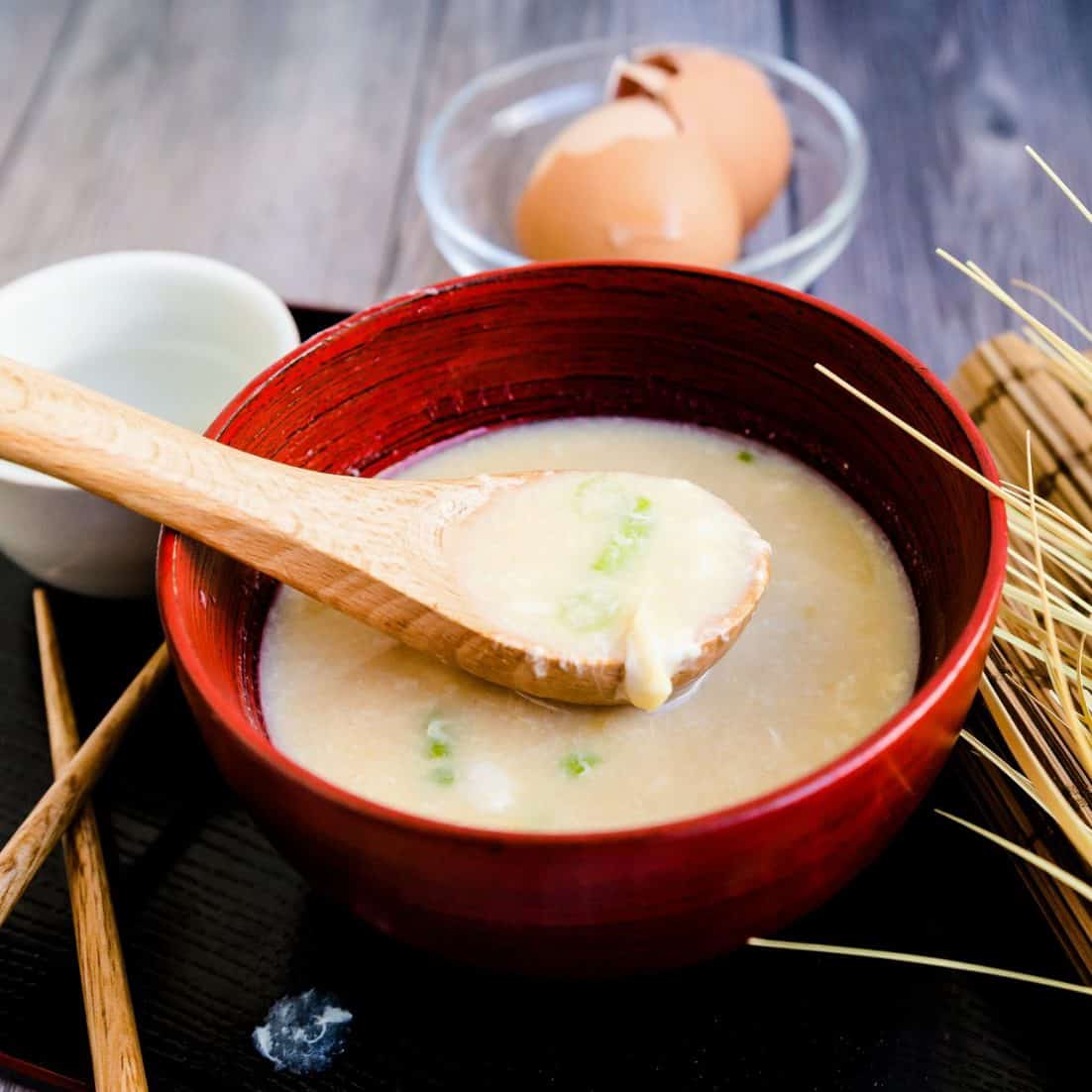
Miso: A Vegan Protein Source for Healthy Eating
When it comes to following a vegan diet, finding adequate sources of protein is often a top concern. While there are several plant-based options available, miso stands out as an excellent choice. Known for its rich umami flavor and versatility in cooking, this traditional Japanese condiment can be a valuable addition to any vegan’s pantry.
Made from fermented soybeans mixed with salt and koji (a type of fungus), miso offers numerous nutritional benefits. One of its most notable features is its high protein content. Just one tablespoon of miso contains approximately 2 grams of protein, making it a convenient way to boost your daily intake.
In addition to being protein-rich, miso also provides essential amino acids necessary for overall health and well-being. These amino acids play a crucial role in muscle growth and repair, immune function, hormone production, and brain health. By incorporating miso into your meals regularly, you can ensure you’re getting all the necessary building blocks for maintaining optimal health.
Aside from being an excellent source of protein and amino acids, miso also boasts other vital nutrients. It contains various vitamins such as B vitamins (including folate) that contribute to energy production and support nerve function. Additionally, miso is rich in minerals like manganese, zinc, copper, and phosphorus that are essential for bone health and metabolism regulation.
Another advantage of using miso as a vegan protein source is its probiotic properties. During fermentation, beneficial bacteria develop in the soybean mixture used to make miso. These live cultures aid digestion by promoting gut health and improving nutrient absorption.
Miso’s versatility allows it to be incorporated into various dishes effortlessly. From soups and stews to dressings or marinades – the possibilities are endless! Its unique umami flavor adds depth to any recipe while providing that satisfying savory taste vegans sometimes crave.
To reap the maximum nutritional benefits, it’s essential to choose a high-quality miso. Look for organic and unpasteurized options, as these retain more beneficial enzymes and nutrients due to the absence of heat treatment. Miso comes in different varieties, including white (shiro), yellow (shinsu), red (aka), and mixed grain miso. Each type has its own distinct flavor profile, so feel free to experiment with different varieties to find your favorite.
To incorporate miso into your diet, start by adding it to broths or soups as a base ingredient. Simply dissolve a tablespoon of miso paste in hot water before adding other ingredients for a quick and nutritious soup. You can also make delicious dressings by combining miso with vinegar, oil, and spices or use it as a glaze for roasted vegetables.
It’s important to note that while miso is generally considered vegan-friendly, some brands may include fish-based ingredients like bonito flakes or dashi stock. Therefore, always check the label if you follow a strict vegan diet.
In conclusion, miso is an incredible vegan protein source that offers numerous health benefits beyond just its protein content. Rich in amino acids, vitamins, minerals, and probiotics – it’s an excellent addition to any plant-based diet. By incorporating this traditional Japanese condiment into your meals regularly, you can boost your protein intake while enhancing the overall flavor profile of your dishes. So go ahead and explore the world of miso – your taste buds and body will thank you!

Leave a Reply