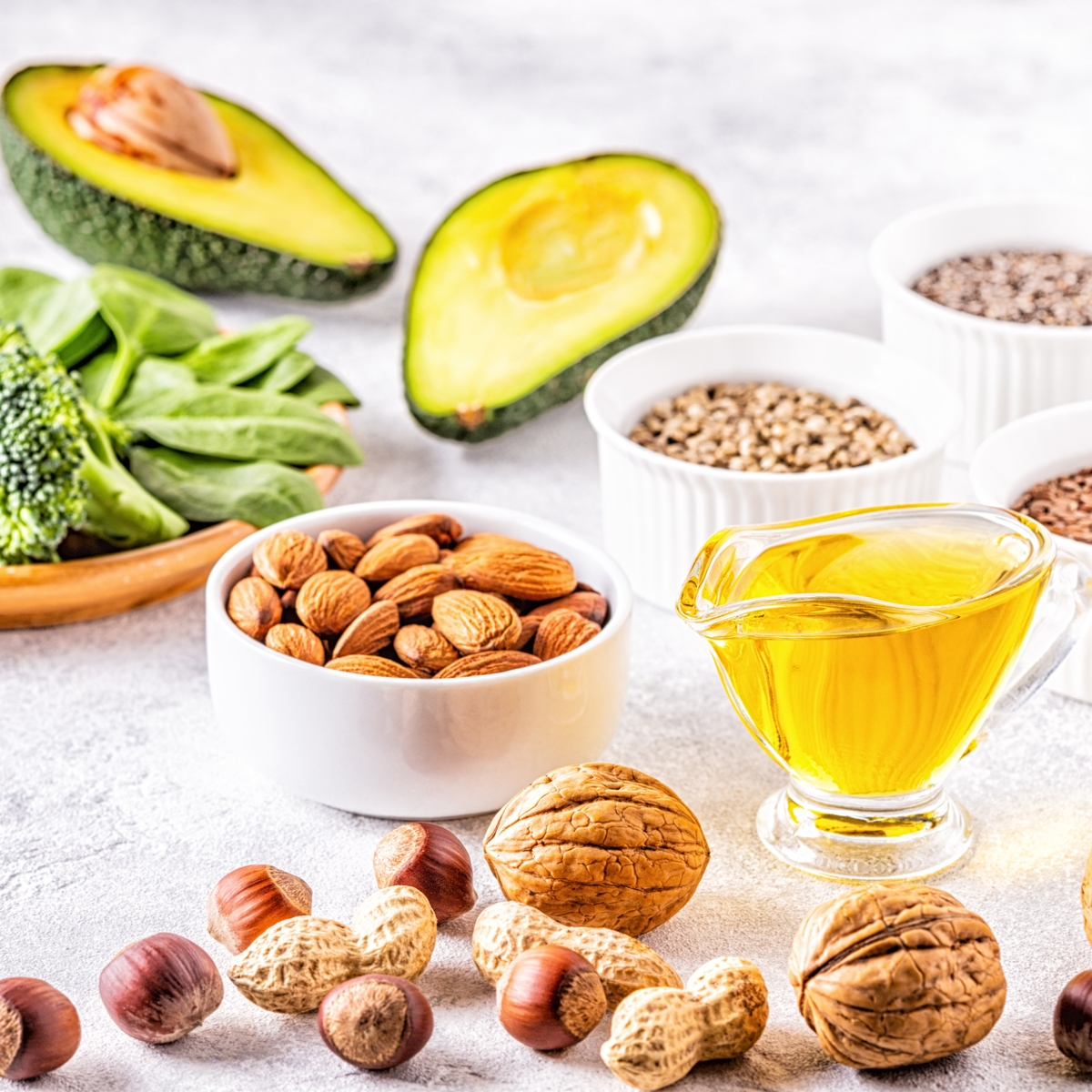
When it comes to healthy eating, fats and oils play a crucial role in our diet. However, not all fats are created equal. While some fats can be detrimental to our health when consumed in excess, others provide essential nutrients and are necessary for proper bodily functions. In this article, we will explore some of the best low-fat oils and fats that you can use in your cooking.
1. Olive Oil: Olive oil is a staple in Mediterranean cuisine and is widely regarded as one of the healthiest oils available. It is rich in monounsaturated fats, which have been linked to numerous health benefits such as reducing inflammation and improving heart health. Extra virgin olive oil (EVOO) is especially prized for its high antioxidant content.
2. Avocado Oil: Made from the fruit of avocados, avocado oil is another excellent option for cooking. It has a mild flavor and a high smoke point, making it suitable for various cooking methods like sautéing or grilling. Avocado oil contains monounsaturated fatty acids that promote good cholesterol levels and support brain function.
3. Coconut Oil: Despite its high saturated fat content, coconut oil has gained popularity due to its unique composition of medium-chain triglycerides (MCTs). MCTs are metabolized differently than other types of fat and may help boost energy expenditure compared to long-chain fatty acids found in most dietary fats.
4. Canola Oil: Derived from rapeseed plants, canola oil is low in saturated fat but high in omega-3 fatty acids—essential fats that are beneficial for heart health. Its neutral flavor makes it versatile for both baking and frying purposes.
5. Flaxseed Oil: Flaxseed oil contains alpha-linolenic acid (ALA), an omega-3 fatty acid that offers numerous health benefits such as reducing inflammation and supporting brain function. It should be noted that flaxseed oil should never be heated, as it has a low smoke point and can become rancid.
6. Walnut Oil: Walnut oil is rich in heart-healthy omega-3 fatty acids and provides a distinct nutty flavor to dishes. It works well in salad dressings or drizzled over roasted vegetables for an added boost of flavor.
7. Grapeseed Oil: Made from pressed grapes, grapeseed oil is a light and neutral-tasting oil that is suitable for high-heat cooking methods like stir-frying or grilling. It contains polyunsaturated fats, including omega-6 fatty acids, which are essential for the body.
When incorporating these healthy oils into your diet, remember moderation is key. While they may offer numerous health benefits, they still contain calories and should be consumed in appropriate amounts within your daily calorie needs.
In conclusion, opting for healthier alternatives when it comes to oils and fats can significantly impact your overall well-being. By choosing low-fat options such as olive oil, avocado oil, coconut oil (in moderation), canola oil, flaxseed oil (not heated), walnut oil, and grapeseed oil—you can enjoy delicious meals while supporting your health goals. So go ahead and experiment with these healthy alternatives in your cooking journey!

Leave a Reply