The Value of Farmers Markets: Supporting Local Agriculture and Healthy Eating
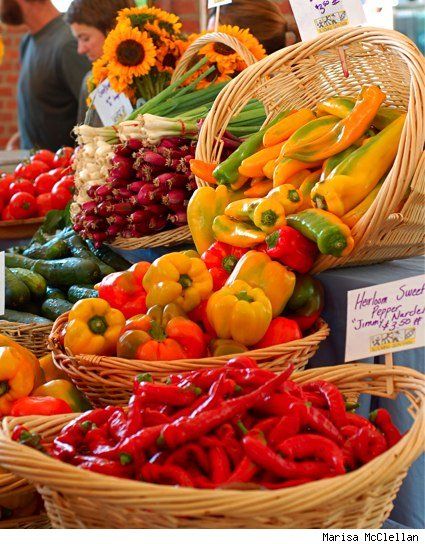
In recent years, there has been a growing trend towards healthier eating habits and the desire to support local businesses. As a result, farmers markets have become increasingly popular among individuals who are seeking fresh, nutritious ingredients while also supporting their local community. These vibrant marketplaces not only offer a wide variety of fruits, vegetables, and other farm-fresh produce but also provide an opportunity for people to connect with the farmers who grow their food. In this article, we will explore the value of farmers markets in promoting healthy eating and supporting local agriculture.
One of the most significant advantages of shopping at farmers markets is access to fresh and seasonal produce. Unlike supermarket shelves that often stock items that have traveled long distances or were harvested prematurely for better shelf life, farmers markets offer locally-grown fruits and vegetables that are picked at peak ripeness. This means these ingredients are bursting with flavor as well as essential nutrients.
Moreover, shopping at farmers markets allows consumers to reconnect with nature’s rhythm by following seasonal changes in produce availability. While modern supermarkets often provide year-round access to any type of fruit or vegetable regardless of its natural seasonality, buying from your local farmer ensures you’re consuming foods when they naturally thrive. By doing so, you can enjoy a more diverse diet while reducing your carbon footprint.
Another crucial aspect that sets farmers markets apart is the direct connection between producers and consumers. At these bustling marketplaces, shoppers can interact directly with the individuals responsible for growing their food – something rarely possible in large supermarkets where products pass through multiple intermediaries before reaching customers’ hands.
This personal connection provides an opportunity for shoppers to learn about how their food is grown – whether it’s organic farming practices or sustainable agricultural methods used by small-scale producers. It fosters transparency in our food system while encouraging dialogue between growers and consumers on topics such as pesticide use or animal welfare standards.
Furthermore, farmers markets offer a unique cultural experience. These vibrant community spaces bring together people from all walks of life, creating a sense of unity and belonging. They are not just venues for buying food; they also serve as gathering places where neighbors can meet, share stories, and connect with their local community.
Many farmers markets go beyond fresh produce and include stalls offering locally-produced goods such as honey, cheese, bread, and handmade crafts. This diversity makes these markets not only an excellent option for grocery shopping but also a place to discover new flavors and support small businesses in your area.
In addition to supporting local producers, shopping at farmers markets often means contributing to the local economy. Rather than spending your money at large chain supermarkets that may ship profits elsewhere, purchasing directly from farmers keeps money circulating within the community. This helps create jobs and supports entrepreneurship while fostering a resilient local economy.
Farmers markets also play a vital role in promoting sustainability by reducing food waste. Unlike traditional retail outlets that demand uniformity in size or appearance, farmers markets give farmers an avenue to sell imperfect produce that would otherwise go unsold or be discarded due to cosmetic imperfections. By embracing these “ugly” fruits and vegetables, consumers help reduce food waste on both ends of the supply chain – at the farm level as well as in their own homes.
Furthermore, many farmers market vendors practice sustainable farming techniques such as using organic fertilizers or composting methods that minimize environmental impact. By choosing products from these vendors instead of conventionally-grown counterparts found in supermarkets, consumers actively contribute towards more sustainable agricultural practices.
In conclusion, farmers markets have become much more than just places to buy fresh produce; they embody values like healthy eating habits and supporting local agriculture. These bustling marketplaces offer access to nutritious seasonal foods while allowing shoppers to forge connections with growers who can provide valuable insights into their cultivation practices. Moreover, by shopping at farmers markets instead of larger retailers, individuals contribute to the local economy, promote sustainability, and reduce food waste. So next time you’re in need of groceries, consider exploring your local farmers market – it’s a win-win situation for both your health and your community.

Leave a Reply