Protein powder has become increasingly popular in recent years, with many fitness enthusiasts and athletes incorporating it into their daily routines. But what exactly is protein powder, and why is it so beneficial? In this article, we will explore the numerous advantages of consuming protein powder and how it can support your overall health and wellness goals.
Firstly, let’s discuss what protein powder actually is. Protein powder is a dietary supplement that comes in various forms such as whey, casein, soy, or plant-based proteins like pea or hemp. These powders are typically made by extracting the protein from natural food sources and then processing them into a powdered form.
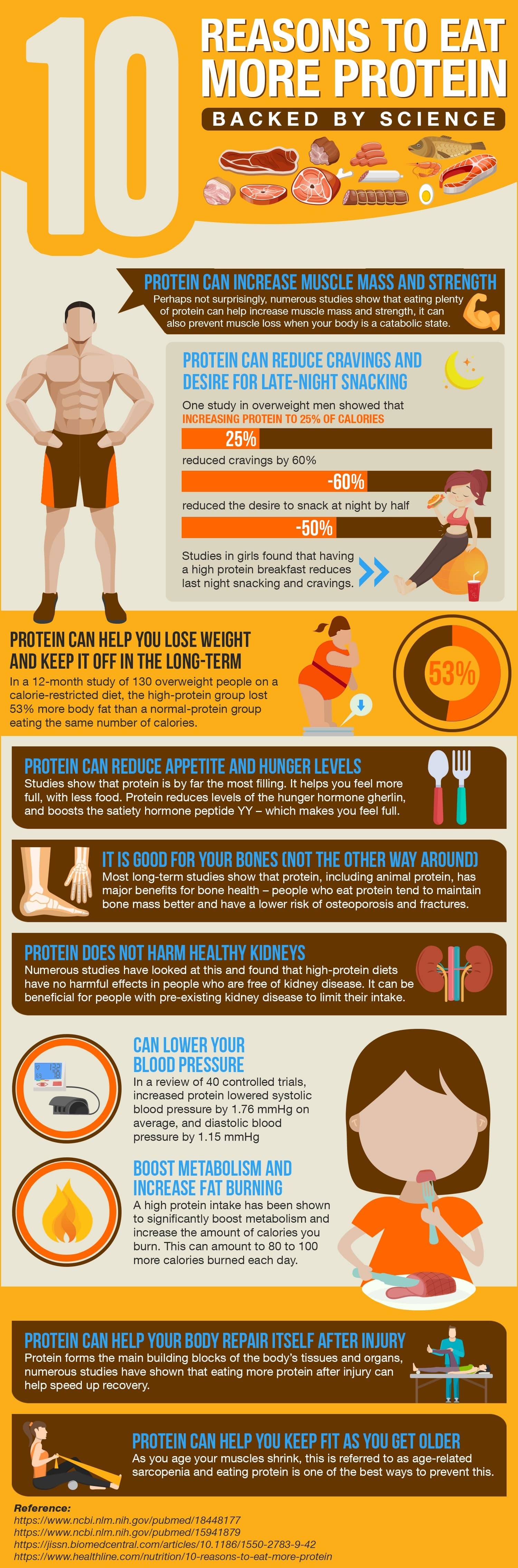
One of the main benefits of consuming protein powder is its ability to support muscle growth and repair. When we engage in physical activities like weightlifting or endurance training, our muscles undergo stress and micro-tears. Protein plays a crucial role in repairing these tears and building new muscle tissue. By consuming an adequate amount of protein after exercise – around 20-30 grams per serving – you can enhance recovery time and stimulate muscle growth.
In addition to promoting muscle growth, protein powder can also aid in weight management efforts. High-protein diets have been shown to increase feelings of fullness while reducing hunger levels throughout the day. This helps prevent overeating or snacking on unhealthy foods between meals. Furthermore, research suggests that high-protein diets may boost metabolism due to the thermic effect of food (TEF). TEF refers to the energy required for digestion, absorption, and disposal of nutrients; higher TEF means more calories burned during digestion.
Protein powders can be particularly beneficial for individuals who have difficulty meeting their daily protein requirements through whole foods alone. Vegetarians or vegans often struggle with obtaining enough complete proteins from plant-based sources alone. Protein powders derived from soybeans or peas are excellent alternatives as they provide all essential amino acids necessary for optimal health.
Moreover, protein powder can be a convenient and time-saving option for those with busy lifestyles. Preparing a high-protein meal or snack may not always be feasible, but mixing a scoop of protein powder with water or milk takes only seconds. It can serve as a quick post-workout recovery drink or an on-the-go snack to keep you fueled throughout the day.
Aside from its muscle-building properties, protein powder has been shown to have several other health benefits. One such benefit is improved bone health. Studies suggest that adequate protein intake is essential for maintaining healthy bones and reducing the risk of osteoporosis, especially in older adults. Protein powders fortified with calcium and vitamin D further support bone density.
Protein powder consumption may also aid in lowering blood pressure levels. Numerous research studies have demonstrated that diets rich in high-quality proteins, including whey protein, can lead to modest reductions in blood pressure among individuals with hypertension.
Furthermore, incorporating protein powder into your diet could help improve your body composition by increasing lean muscle mass while reducing fat mass. This is especially true when combined with regular resistance training exercises like weightlifting.
Another advantage of consuming protein powder is its impact on appetite control and cravings management. High-protein meals tend to increase levels of satiety hormones while decreasing hunger hormones, leading to reduced calorie intake overall. By curbing excessive snacking and promoting feelings of fullness, protein powders can support weight loss efforts effectively.
Moreover, certain types of protein powders contain specific amino acids that promote immune system function and overall health enhancement. For example, glutamine – an amino acid found abundantly in whey protein – plays a crucial role in supporting gut health by preventing inflammation and strengthening the intestinal barrier function.
It’s important to note that while there are numerous benefits associated with consuming protein powders, they should not replace whole food sources entirely. Whole foods provide essential vitamins, minerals, fiber, and other beneficial compounds that protein powders lack. Therefore, it is recommended to use protein powder as a supplement rather than a primary source of nutrition.
In conclusion, incorporating protein powder into your diet can offer various benefits such as supporting muscle growth and repair, aiding in weight management efforts, improving bone health, lowering blood pressure levels, enhancing body composition, controlling appetite and cravings, and boosting immune system function. However, it’s crucial to choose high-quality protein powders from reputable brands and consult with a healthcare professional or registered dietitian before making any significant changes to your diet or supplementation routine.

Leave a Reply