Ulcerative Colitis: Understanding the Chronic Inflammatory Bowel Disease
In today’s fast-paced world, maintaining a healthy lifestyle has become increasingly important. However, for individuals suffering from chronic illnesses like ulcerative colitis (UC), making dietary choices that promote well-being can be even more challenging. Ulcerative colitis is a type of inflammatory bowel disease (IBD) that affects the colon and rectum, causing inflammation and ulcers in the lining of the gastrointestinal tract. In this article, we will explore what ulcerative colitis is, its symptoms, causes, treatment options available, and most importantly, how diet plays a significant role in managing this condition.
Understanding Ulcerative Colitis:
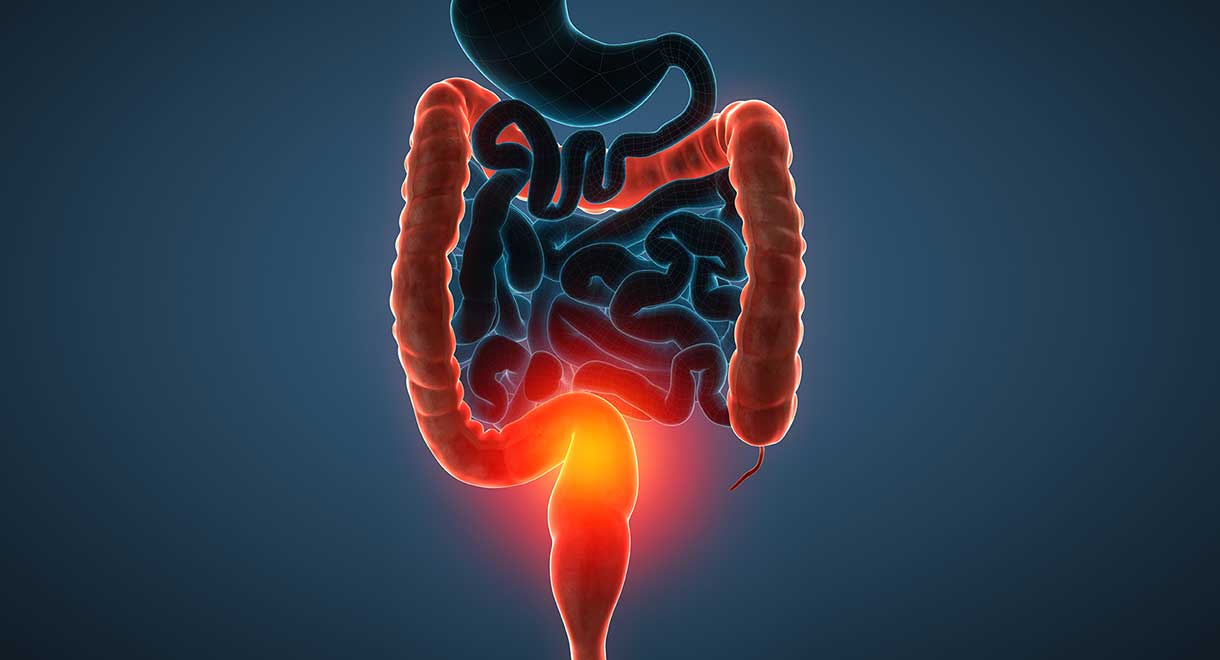
Ulcerative colitis primarily affects the large intestine (colon) and rectum. It belongs to a group of conditions known as inflammatory bowel diseases (IBDs). While its exact cause remains unknown, it is believed to result from an abnormal immune response triggered by genetic factors or environmental triggers.
Symptoms of Ulcerative Colitis:
The symptoms of ulcerative colitis can vary among individuals but often include persistent diarrhea that may contain blood or pus, abdominal pain and cramping, urgency to have bowel movements, weight loss due to reduced appetite or malabsorption issues caused by inflammation in the intestines.
Causes and Triggers:
Although researchers have not yet identified specific causes for ulcerative colitis development in individuals with genetic susceptibility towards IBDs; several factors are believed to contribute to its onset. These include an overactive immune system response leading to chronic inflammation within the intestinal walls as well as environmental factors such as stress levels or exposure to certain bacteria or viruses.
Treatment Options:
While there is no cure for ulcerative colitis currently available; various treatment approaches aim at managing symptoms effectively while reducing inflammation and preventing flare-ups. Medications like anti-inflammatory drugs (such as corticosteroids), immunosuppressants, and biologic therapies are commonly prescribed to help control symptoms and induce remission. In severe cases, surgical intervention may be necessary to remove the affected portion of the colon.
Dietary Management:
Diet plays a crucial role in managing ulcerative colitis symptoms and improving overall well-being for individuals with this condition. While diet alone cannot cure ulcerative colitis, certain dietary modifications can alleviate symptoms and reduce inflammation.
1. Low-Residue Diet: A low-residue diet limits high fiber foods such as nuts, seeds, whole grains, raw fruits and vegetables that may aggravate digestive symptoms. Instead, opting for cooked or peeled fruits and vegetables, white bread or refined grains can help ease discomfort.
2. Elimination Diets: Identifying trigger foods through an elimination diet can be beneficial for some people with UC. Common food triggers include dairy products (lactose intolerance), gluten-containing grains (in those who are sensitive), spicy foods, caffeine, alcohol, carbonated beverages or artificial additives.
3. Probiotics: Probiotics are live bacteria that promote a healthy gut microbiome balance. Consuming probiotic-rich foods like yogurt or fermented foods such as sauerkraut or kimchi may have a positive impact on intestinal health.
4. Omega-3 Fatty Acids: Foods rich in omega-3 fatty acids such as salmon, sardines or chia seeds possess anti-inflammatory properties which could potentially help reduce inflammation associated with ulcerative colitis.
5. Hydration: It is vital to maintain adequate hydration levels when living with ulcerative colitis due to increased fluid loss from diarrhea episodes. Drinking enough water throughout the day helps prevent dehydration while aiding digestion.
It is essential for individuals diagnosed with ulcerative colitis to consult with healthcare professionals specializing in gastroenterology regarding any dietary changes they plan to make since each person’s experience with UC varies greatly.
Conclusion:
Ulcerative colitis is a chronic condition that affects the colon and rectum, causing inflammation and ulcers. While there is no cure for this disease, various treatment options are available to manage symptoms and induce remission. Additionally, making conscious dietary choices can significantly impact an individual’s well-being by reducing inflammation and alleviating symptoms. By following a low-residue diet, identifying trigger foods through elimination diets, incorporating probiotics and omega-3 fatty acids into the diet, and maintaining proper hydration levels, individuals with ulcerative colitis can take proactive steps towards managing their condition effectively.

Leave a Reply