Mindful Eating: A Historical Approach to Portion Control
Introduction:
In today’s fast-paced world, where convenience and instant gratification often take precedence over health and well-being, it is essential to cultivate mindful eating habits. Mindful eating is not a new concept but rather an ancient practice that emphasizes being present and aware while consuming food. It encourages individuals to pay attention to the taste, texture, and experience of eating, leading to better portion control. In this article, we will explore the historical significance of mindful eating and its application in various aspects of our lives.
1. Mindful Eating:
Mindful eating traces its roots back thousands of years ago when Buddhist teachings introduced the concept of mindfulness meditation. This practice involved focusing one’s attention on the present moment without judgment or attachment. Over time, this philosophy expanded into all aspects of life, including eating.
When it comes to mindful eating for portion control, it means becoming fully aware of your body’s hunger and satiety cues. By paying close attention to these signals during meals, you can develop a deeper understanding of your body’s needs and adjust portion sizes accordingly.
2. Portion Control for Kids:
Childhood obesity has become a significant concern worldwide due to unhealthy dietary choices and sedentary lifestyles. Implementing portion control strategies at an early age can help children establish healthy habits that will benefit them throughout their lives.
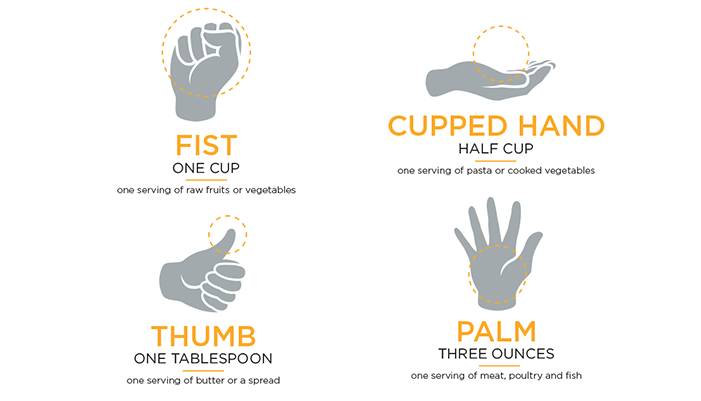
One effective way to encourage portion control in kids is by using visual aids such as “portion plates” or “portion bowls.” These divided plates or bowls have designated sections for different food groups like fruits, vegetables, proteins, grains, etc., making it easier for children to understand appropriate serving sizes.
3. Portion Control for Seniors:
As individuals age, their metabolism slows down while nutritional requirements remain unchanged or may even increase due to certain health conditions or medications. Therefore, seniors must manage their portions carefully to maintain good health.
A helpful approach for portion control in seniors is to use smaller plates and bowls. This optical illusion can make the reduced portion size appear more substantial, satisfying their visual perception of a full meal. Additionally, focusing on nutrient-dense foods like lean proteins, whole grains, fruits, and vegetables ensures that they receive adequate nutrition despite consuming smaller portions.
4. Portion Control While Dining Out:
Eating out at restaurants often presents challenges when it comes to portion control due to oversized servings. However, with mindful practices and some strategies in place, it is possible to maintain healthy eating habits even while dining out.
One effective strategy is sharing meals or opting for half portions whenever possible. Another helpful tip is to request a takeout container at the beginning of the meal and immediately pack away half of your dish before starting to eat. This not only reduces portion sizes but also provides leftovers for another meal.
5. Portion Control for Snacks:
Snacking has become a common habit among people of all ages. However, mindless snacking can lead to excessive calorie intake and weight gain over time.
To practice portion control with snacks, it is essential to pre-portion them into individual serving sizes instead of eating directly from the package. For example, instead of bringing an entire bag of chips or cookies while watching TV, set aside a reasonable amount in a bowl or plate beforehand.
6. Portion Control and Emotional Eating:
Emotional eating refers to using food as a coping mechanism for stress or emotional distress rather than true hunger signals. This often leads individuals to overeat and consume larger portions than necessary.
Practicing mindfulness during emotional eating situations can help break this cycle by being aware of one’s emotions without judgment and finding alternative ways to cope with stress or negative emotions rather than turning towards food.
7. Portion Control for Desserts:
Desserts are notorious for their high-calorie content and large serving sizes that can derail even the most disciplined eaters. However, enjoying desserts in moderation is possible with mindful portion control.
One strategy for dessert portion control is to savor smaller bites slowly and mindfully, allowing yourself to fully experience the taste and texture of each bite. Another helpful tip is to choose desserts that are naturally portioned, such as individual-sized treats or mini versions of your favorites.
8. Portion Control and Food Labels:
Understanding food labels can be instrumental in practicing portion control effectively. Paying attention to serving sizes listed on packages helps individuals make informed decisions about their food intake.
It is crucial to remember that package servings may differ from actual portions consumed, so it’s essential to compare them carefully. Additionally, learning how to read nutritional information like calories per serving and macronutrient breakdowns can assist in making healthier choices.
9. Portion Control for Holiday Meals:
Holiday meals often involve indulgent dishes and larger portions than usual, making it challenging to maintain portion control during these festive times. However, by employing a few strategies, it is possible to strike a balance between enjoyment and moderation.
Start by filling half your plate with vegetables or salads before moving on to other calorie-dense options. Choose smaller plates or bowls when available since larger ones tend to encourage overeating. Finally, be mindful of your body’s satiety cues and stop eating when you feel comfortably full rather than completely stuffed.
10. Portion Control and Meal Prepping:
Meal prepping has gained popularity as an effective way of maintaining healthy eating habits throughout the week while saving time and money. It also enables better portion control since meals are planned ahead of time.
When meal prepping for portion control purposes, focus on creating balanced meals that include appropriate amounts of proteins (e.g., lean meats or plant-based protein sources), whole grains (e.g., quinoa or brown rice), fruits, vegetables, and healthy fats (e.g., avocado or olive oil). Pre-portioning meals into individual containers ensures that you consume appropriate serving sizes and avoid overeating.
Conclusion:
Mindful eating has a rich historical background rooted in the practice of mindfulness meditation. It offers valuable insights into portion control, enabling individuals to develop healthier relationships with food. By applying mindful eating principles in various aspects of life, such as portion control for kids, seniors, dining out, snacks, emotional eating, desserts, holiday meals, and more, we can achieve better overall health and well-being. Incorporating strategies like using visual aids, smaller plates or bowls, pre-portioning snacks or desserts, reading food labels effectively are vital tools for successful portion control. Ultimately, understanding the psychology behind portion control and adopting mindful practices can revolutionize our approach to eating and contribute to long-term weight management goals.

Leave a Reply