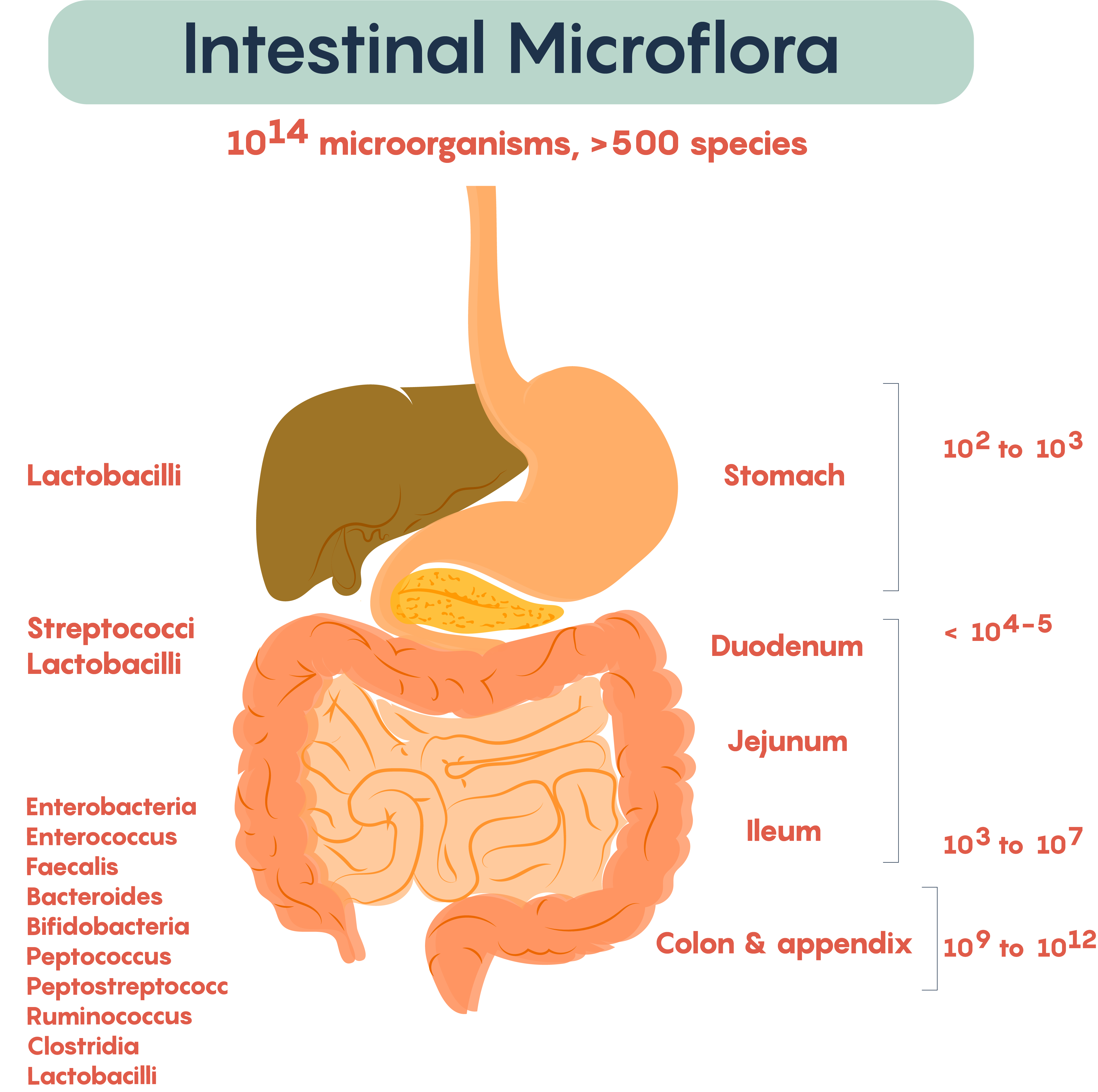
The Gut Microbiome: A Key Player in Your Health
When it comes to maintaining good health, we often think about factors such as exercise, a balanced diet, and regular check-ups. However, there is one aspect that is often overlooked but plays a crucial role in our overall well-being – the gut microbiome. The gut microbiome refers to the trillions of microorganisms that reside in our gastrointestinal tract. These microorganisms include bacteria, viruses, fungi, and other microbes that work symbiotically with our bodies.
Research on the gut microbiome has exponentially increased over the past decade, shedding light on its influence on various aspects of human health. Let’s delve deeper into the fascinating world of the gut microbiome and explore how it impacts our well-being.
1. Digestion and Nutrient Absorption:
One of the primary functions of the gut microbiome is aiding digestion and nutrient absorption. Certain bacteria break down complex carbohydrates that are resistant to digestion by human enzymes into short-chain fatty acids (SCFAs), which serve as an energy source for colon cells. Moreover, they enhance nutrient absorption by producing essential vitamins like vitamin K and biotin.
2. Immune System Regulation:
Did you know that approximately 70% of your immune system resides in your gut? The gut microbiome plays a pivotal role in regulating immune responses throughout your body. It helps train your immune system from birth by distinguishing between harmful pathogens and harmless substances present in food or within yourself.
3. Mental Health:
Recent studies have highlighted a strong connection between the gut microbiota and mental health conditions such as anxiety and depression. The communication network between our brain and digestive system – known as the “gut-brain axis” – allows these microbes to produce neurotransmitters like serotonin, dopamine, GABA (gamma-aminobutyric acid), which play key roles in mood regulation.
4. Weight Management:
Maintaining a healthy weight is not just about calories in versus calories out. The gut microbiome also plays a significant role in weight management and obesity prevention. Certain microbes extract more energy from the food we eat, leading to increased fat storage. Imbalances in the gut microbiota have been associated with metabolic disorders and obesity.
5. Skin Health:
The health of our skin is closely linked to our gut health. An imbalance in the gut microbiome can lead to inflammation throughout the body, including the skin, resulting in conditions such as acne, eczema, and psoriasis. By promoting a healthy gut microbiome through diet and lifestyle choices, you can potentially improve your skin’s appearance.
6. Disease Prevention:
A diverse and balanced gut microbiota helps protect against various diseases by crowding out harmful bacteria and pathogens. Research suggests that imbalances or dysbiosis within the gut microbial community may contribute to inflammatory bowel disease (IBD), irritable bowel syndrome (IBS), allergies, autoimmune disorders, cardiovascular diseases, and even some types of cancer.
Now that we understand why maintaining a healthy gut microbiome is essential let’s explore how we can nurture it:
1. Eat a varied diet: Including fiber-rich foods like fruits, vegetables, legumes, whole grains promotes microbial diversity.
2. Probiotics: These live microorganisms found in certain fermented foods (e.g., yogurt) or supplements can introduce beneficial bacteria into your digestive system.
3. Prebiotics: These are non-digestible fibers that serve as food for beneficial bacteria already present in your gut; they include garlic, onions, leeks.
4. Minimize antibiotic use: Antibiotics kill both harmful and beneficial bacteria; reserve their use only when absolutely necessary.
5.Exercise regularly: Physical activity has been shown to positively influence the composition of the gut microbiome.
6.Reduce stress levels: Chronic stress negatively affects your digestive system; try incorporating stress-reducing practices such as meditation or yoga.
In conclusion, the gut microbiome is an intriguing and essential aspect of our overall health. From digestion to mental well-being, it influences numerous physiological processes in our bodies. By adopting a lifestyle that supports a diverse and balanced gut microbiota, we can improve our overall health and well-being. Remember, taking care of your gut is taking care of yourself!

Leave a Reply