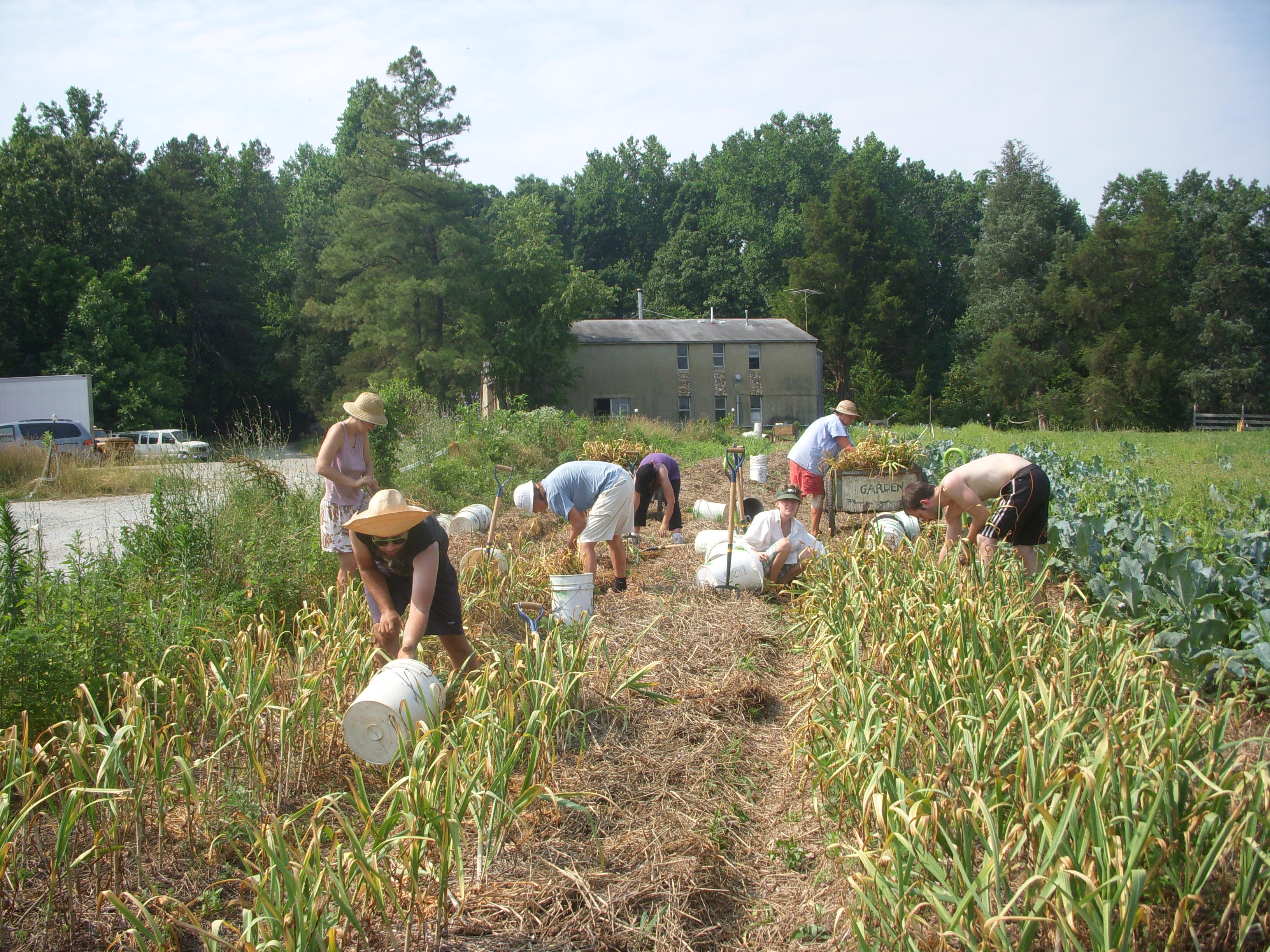
Garlic is a versatile and flavorful ingredient that adds depth to various dishes. Its distinctive taste and numerous health benefits make it a popular choice among chefs, home cooks, and health enthusiasts alike. But have you ever wondered how garlic is grown? The techniques used in garlic farming can vary depending on the geographic area.
In colder regions with harsh winters, such as Northern Europe or North America, garlic farmers often utilize a technique called overwintering. Overwintering involves planting the garlic cloves in late fall before the ground freezes. The cloves are left to establish roots during winter dormancy and start growing vigorously once spring arrives. This method allows the plants to develop strong root systems before entering their growth phase, resulting in larger bulbs.
On the other hand, in warmer climates like Mediterranean countries or Southern United States, where winters are mild or nonexistent, growers use different approaches. They typically plant garlic cloves in late autumn or early winter to take advantage of cooler temperatures for bulb formation. These regions often rely on irrigation systems due to lower rainfall levels during the growing season.
The type of soil also plays a significant role in garlic farming techniques. Garlic thrives in well-drained soil rich in organic matter. In areas with heavy clay soils that retain moisture easily, farmers may add compost or other organic materials to improve drainage and prevent waterlogging.
To ensure optimal growth conditions for their crop, many garlic farmers practice crop rotation. By rotating crops annually within their fields, they help reduce disease incidence while maintaining soil fertility levels. This practice prevents the buildup of pests and diseases specific to garlic plants and replenishes nutrient levels naturally.
Another important aspect of successful garlic farming is proper weed management. Weeds compete with garlic plants for nutrients and sunlight while increasing disease risk by providing shelter for pests. Farmers employ various methods such as manual weeding or mulching with straw or hay to suppress weed growth without harming the delicate bulbs.
Harvesting time varies based on the garlic variety and region. Garlic bulbs are typically ready to be harvested when the leaves start to turn brown and die back. In some areas, farmers prefer to harvest earlier for a milder flavor profile, while others wait until most of the foliage has withered completely for stronger flavors.
In conclusion, garlic farming techniques vary depending on the geographic area. Factors such as climate, soil type, and local practices influence how garlic is grown. Whether it’s overwintering in colder regions or careful irrigation management in warmer climates, farmers worldwide employ specific methods to ensure healthy garlic plants and bountiful harvests. So next time you enjoy the pungent aroma of fresh garlic in your favorite dish, remember the dedication and expertise that go into its cultivation.

Leave a Reply