Baking with Free-Range Eggs: A Guide to Healthier and More Flavorful Treats
Introduction:
When it comes to baking, the quality of ingredients plays a vital role in the final outcome. One ingredient that often takes center stage in many recipes is eggs. Whether you’re making cakes, cookies, or bread, using high-quality eggs can make all the difference in taste and texture.
In recent years, there has been an increased focus on free-range eggs due to their perceived health benefits and ethical considerations. In this article, we will explore what makes free-range eggs different from conventional ones and how baking with them can lead to healthier and more flavorful treats.
Understanding Free-Range Eggs:
Free-range eggs come from hens that are allowed to roam freely outdoors or have access to outdoor areas for at least part of each day. This environment gives hens space to move around, engage in natural behaviors like scratching and pecking, and forage for food such as insects and plants.
Compared to conventionally raised hens kept in confined cages or barns without outdoor access, free-range hens tend to have a better quality of life. They experience less stress, exhibit natural behaviors more frequently, and have a more varied diet.
Health Benefits of Free-Range Eggs:
1. Higher Nutritional Value:
Free-range eggs are generally considered nutritionally superior because they contain higher levels of essential nutrients compared to conventionally raised eggs. Research suggests that free-range eggs may contain more omega-3 fatty acids (beneficial for heart health), vitamin E (an antioxidant), beta-carotene (a precursor of vitamin A), and lower levels of cholesterol than their conventional counterparts.
2. Increased Omega-3 Content:
The diet of free-range hens typically includes foods rich in omega-3 fatty acids such as flaxseeds or insects. As a result, their eggs tend to be higher in these beneficial fats. Omega-3 fatty acids are important for brain function, reducing inflammation, and promoting heart health.
Baking with Free-Range Eggs:
1. Improved Flavor and Texture:
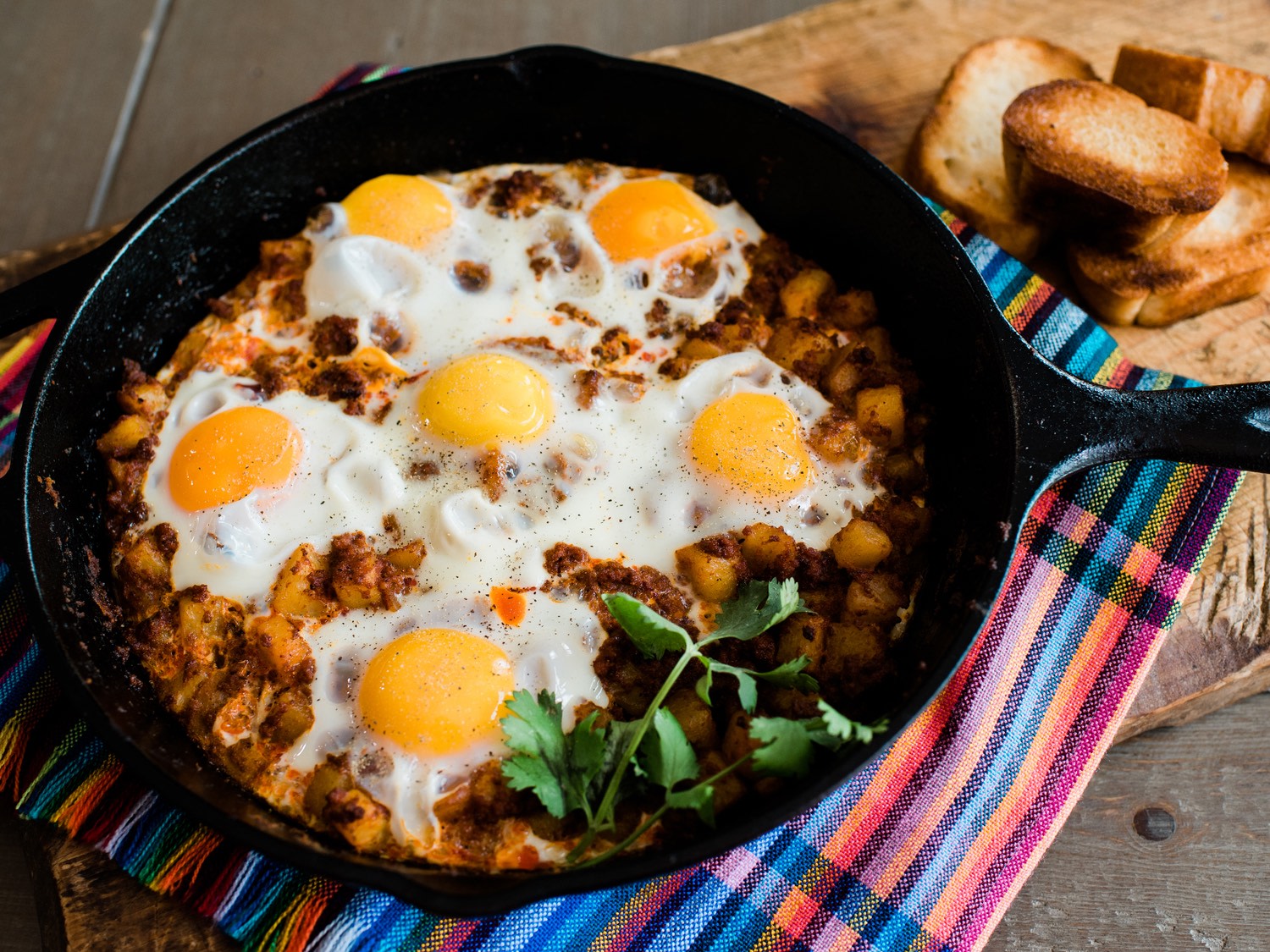
Free-range eggs often have a richer flavor and more vibrant yolks due to their varied diet. When used in baking, they can enhance the taste of your treats, making them more flavorful and enjoyable. The yolks also contribute to a smoother texture, resulting in moist and tender baked goods.
2. Enhanced Leavening Power:
Eggs play a crucial role in leavening baked goods by providing structure and moisture. Free-range eggs tend to have larger yolks compared to conventional eggs, which means they contain more fat. This additional fat can improve the emulsion process when mixed with other ingredients like sugar or butter, resulting in better air incorporation during beating or whisking stages.
3. Natural Food Coloring:
If you enjoy experimenting with natural food coloring options in your baking projects, free-range eggs can be an excellent choice. Due to their higher levels of beta-carotene from foraging on plants outdoors, free-range egg yolks tend to have a deeper yellow or orange hue than conventional egg yolks. Incorporating these vibrant yolks into your recipes can add a lovely touch of color without resorting to artificial dyes.
Tips for Baking Success:
1. Use Fresh Eggs:
Regardless of whether you choose free-range or conventional eggs, using fresh ones is essential for successful baking outcomes. Fresh eggs will provide better leavening power and produce lighter textures compared to older ones that may have lost some of their natural properties.
2. Adjust Recipes as Needed:
When substituting free-range eggs for conventional ones in recipes that call for a specific number of eggs (e.g., three large eggs), keep in mind that the size of free-range eggs may vary slightly due to the hens’ varied diet and exercise patterns. If necessary, you may need to adjust the quantity of eggs used or add an extra egg to maintain the desired moisture and structure.
3. Experiment with Recipes:
Have fun experimenting with different recipes when using free-range eggs. Start by trying them in your favorite baked goods, such as cakes, cookies, or muffins. Take note of any differences in taste and texture compared to conventional eggs and discover how free-range eggs can elevate your baking creations.
Conclusion:
Baking with free-range eggs not only contributes to a better quality of life for hens but also yields numerous benefits for your health and culinary endeavors. Their higher nutritional value, improved flavor and texture, increased omega-3 content, and natural food coloring properties make them an excellent choice for those seeking healthier and more flavorful treats.
By opting for free-range eggs in your baking adventures, you support sustainable farming practices while enjoying the delicious results that these high-quality ingredients offer. So next time you reach for a carton of eggs at the grocery store, consider choosing free-range options – your taste buds, health, and the welfare of farm animals will thank you!

Leave a Reply