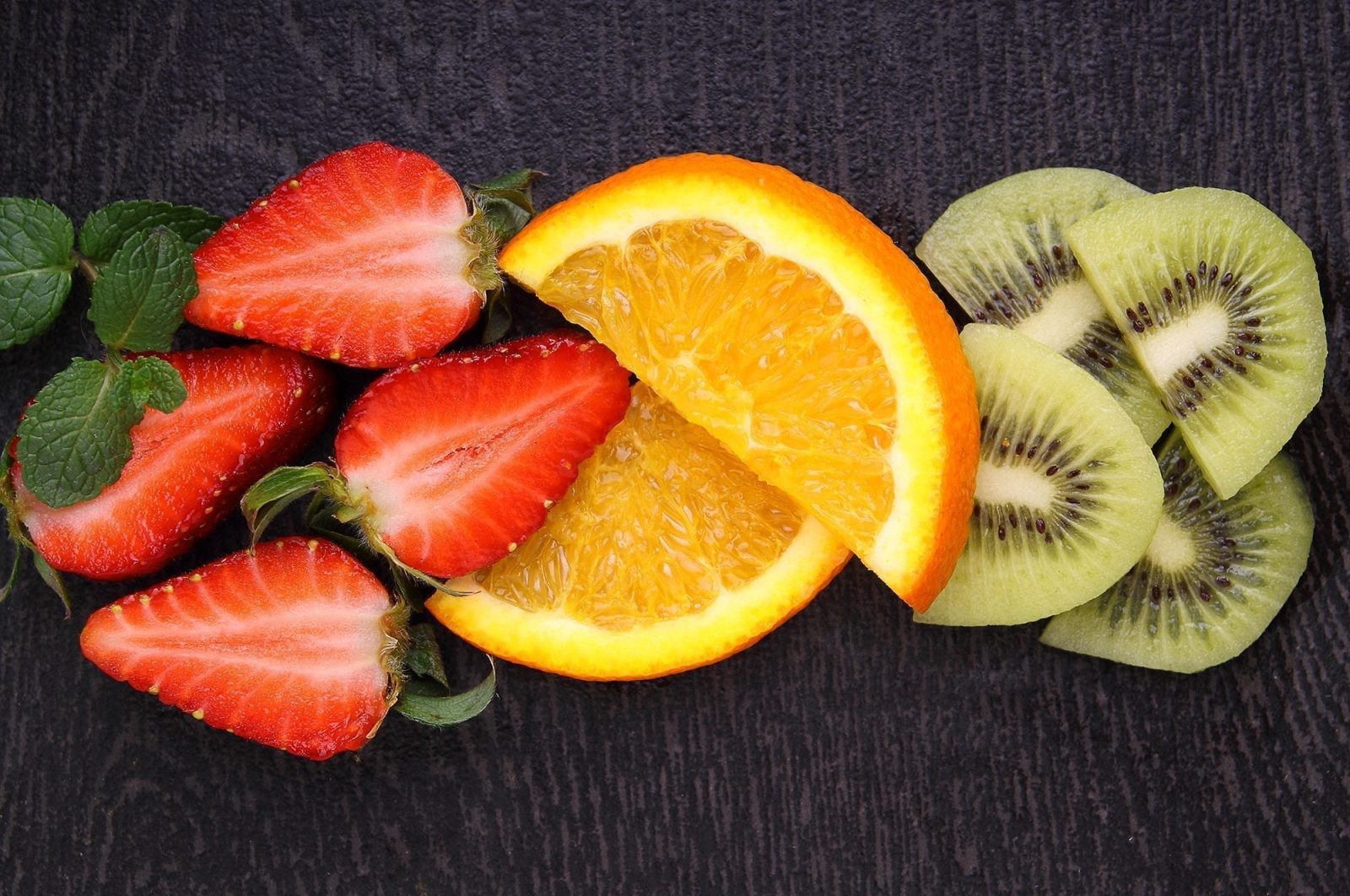
Natural sources of vitamin C as an antioxidant
Introduction:
Vitamin C, also known as ascorbic acid, is a crucial nutrient that plays several important roles in the body. It acts as a powerful antioxidant, protecting cells from damage caused by harmful molecules called free radicals. Additionally, it supports the immune system, aids in collagen production for healthy skin and connective tissues, helps with iron absorption, and promotes overall well-being.
While vitamin C supplements are available on the market, obtaining this essential nutrient naturally through food sources is always a healthier option. In this article, we will explore some of the best natural sources of vitamin C to incorporate into your diet.
1. Citrus fruits:
Citrus fruits like oranges, grapefruits, lemons, and limes are perhaps the most well-known sources of vitamin C. They are not only delicious but also provide ample amounts of this vital nutrient. For example:
– One medium-sized orange contains about 70 milligrams (mg) of vitamin C.
– Half a grapefruit provides approximately 45 mg.
– A small lemon offers around 30 mg.
Including citrus fruits in your daily diet can help boost your intake of vitamin C significantly.
2. Berries:
Berries such as strawberries, raspberries, blueberries, and blackberries are not only flavorful but also packed with antioxidants and other essential nutrients including vitamin C. Here’s what you can expect from these berries:
– One cup of strawberries provides approximately 85 mg.
– The same amount of raspberries offers about 32 mg.
– Blueberries contribute around 14 mg per cup.
Adding a variety of berries to your breakfast cereal or smoothies is an excellent way to increase your daily intake of vitamin C while enjoying their natural sweetness.
3. Kiwi fruit:
Kiwi fruit is another fantastic source of vitamin C that often goes overlooked. Just one medium-sized kiwi contains around 64 mg – almost as much vitamin C as an orange. This furry little fruit is also rich in fiber and other beneficial nutrients, making it a great addition to your daily diet.
4. Papaya:
Papaya is a tropical fruit that not only tastes delicious but is also highly nutritious. A medium-sized papaya contains about 95 mg of vitamin C, surpassing the amount found in an orange or kiwi. Additionally, papaya contains an enzyme called papain that aids digestion and has anti-inflammatory properties.
5. Guava:
Guava is a tropical fruit packed with numerous essential nutrients, including high amounts of vitamin C. One guava provides approximately 125 mg of this antioxidant powerhouse – more than twice the recommended daily intake for adults! Apart from its impressive vitamin C content, guava also offers dietary fiber and other health-promoting compounds.
6. Mango:
Mangoes are not only juicy and refreshing but are also excellent sources of vitamin C. One cup of sliced mango contributes around 60 mg of this vital nutrient to your diet. They are also rich in dietary fiber and contain beneficial antioxidants like beta-carotene.
7. Peppers:
Bell peppers, especially red peppers, are well-known for their vibrant color and crunchy texture but they’re also surprisingly high in vitamin C content:
– One medium-sized red bell pepper contains approximately 152 mg.
– The same serving size of green bell pepper provides about 95 mg.
Including peppers raw in salads or lightly cooked in stir-fries can boost your vitamin C intake significantly while adding flavor to your meals.
8. Leafy greens:
Leafy greens such as spinach, kale, Swiss chard, and mustard greens may not be top-of-mind when you think about vitamin C sources, but they do contribute a considerable amount:
– Half a cup of cooked spinach supplies around 9 mg.
– The same quantity of cooked kale contains approximately 20 mg.
– A cup of raw Swiss chard offers around 18 mg.
Including a variety of leafy greens in your diet not only provides an abundance of vitamin C but also delivers fiber, iron, and other essential nutrients.
Conclusion:
Vitamin C is an important nutrient that plays various roles in maintaining our overall health and well-being. Incorporating natural sources of vitamin C into our diets ensures that we receive all the benefits this antioxidant powerhouse has to offer. Citrus fruits, berries, kiwi fruit, papaya, guava, mangoes, peppers, and leafy greens are just a few examples of foods rich in vitamin C. By including these delicious options in our daily meals or snacks, we can easily meet our recommended daily intake while enjoying a range of flavors and textures.

Leave a Reply