Caves are fascinating natural formations that have captivated humans for centuries. These unique underground structures offer a plethora of benefits, from providing shelter to hosting diverse ecosystems. In addition to their geological and ecological significance, caves also hold relevance in the realm of healthy eating. Let’s explore how caves contribute to our understanding and appreciation of nutritious food.
One aspect that makes caves relevant to healthy eating is their connection to agriculture. Historically, many communities utilized cave spaces as storage areas for crops such as potatoes, onions, and carrots due to the constant temperature and humidity levels found within these subterranean environments. The stable conditions inside caves help preserve produce longer by slowing down spoilage processes. This practice allowed people to access fresh food throughout the year when external conditions were not conducive for cultivation or when crop yields were low.
Furthermore, certain types of caves harbor unique microclimates that support the growth of specific plant species. For instance, in regions with limestone karst topography – characterized by soluble rock formations – nutrient-rich soil accumulates in crevices and cracks within the cave system. Such fertile pockets provide ideal conditions for rare plants like ferns, orchids, or medicinal herbs to thrive. As a result, explorations into these botanical riches can lead us towards discovering new sources of health-promoting foods or potential ingredients with medicinal properties.
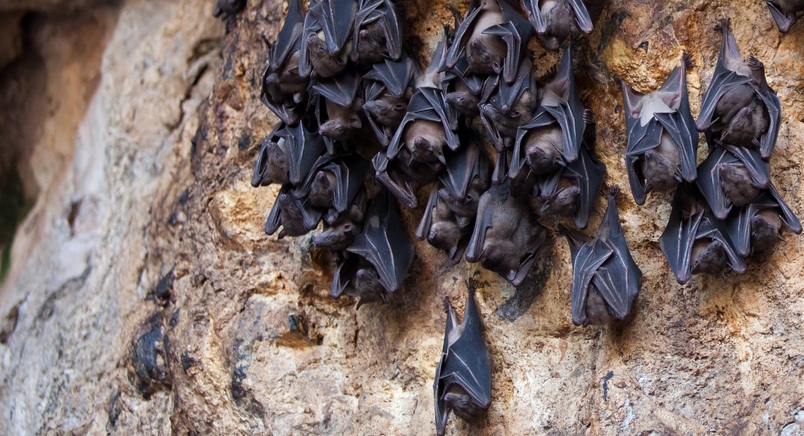
Moreover, some caves house colonies of bats that play an essential role in pollinating plants outside the cave environment. Bats feed on nectar during their nocturnal flights and inadvertently transfer pollen from one flower to another as they move between feeding sites. This process enhances cross-pollination among plants and contributes significantly to fruit production in nearby agricultural fields or forests surrounding the cave habitat.
In conclusion, while primarily known for their geological wonders and ecological importance, caves also intersect with healthy eating practices through their historical use as storage spaces for crops and their potential as repositories for unique plant species rich in nutritional value. Additionally, the presence of bats in caves highlights their role in pollinating plants and supporting food production. Exploring the relationship between caves and healthy eating not only deepens our understanding of these natural formations but also emphasizes the interconnectedness between nature’s wonders and our dietary well-being.

Leave a Reply