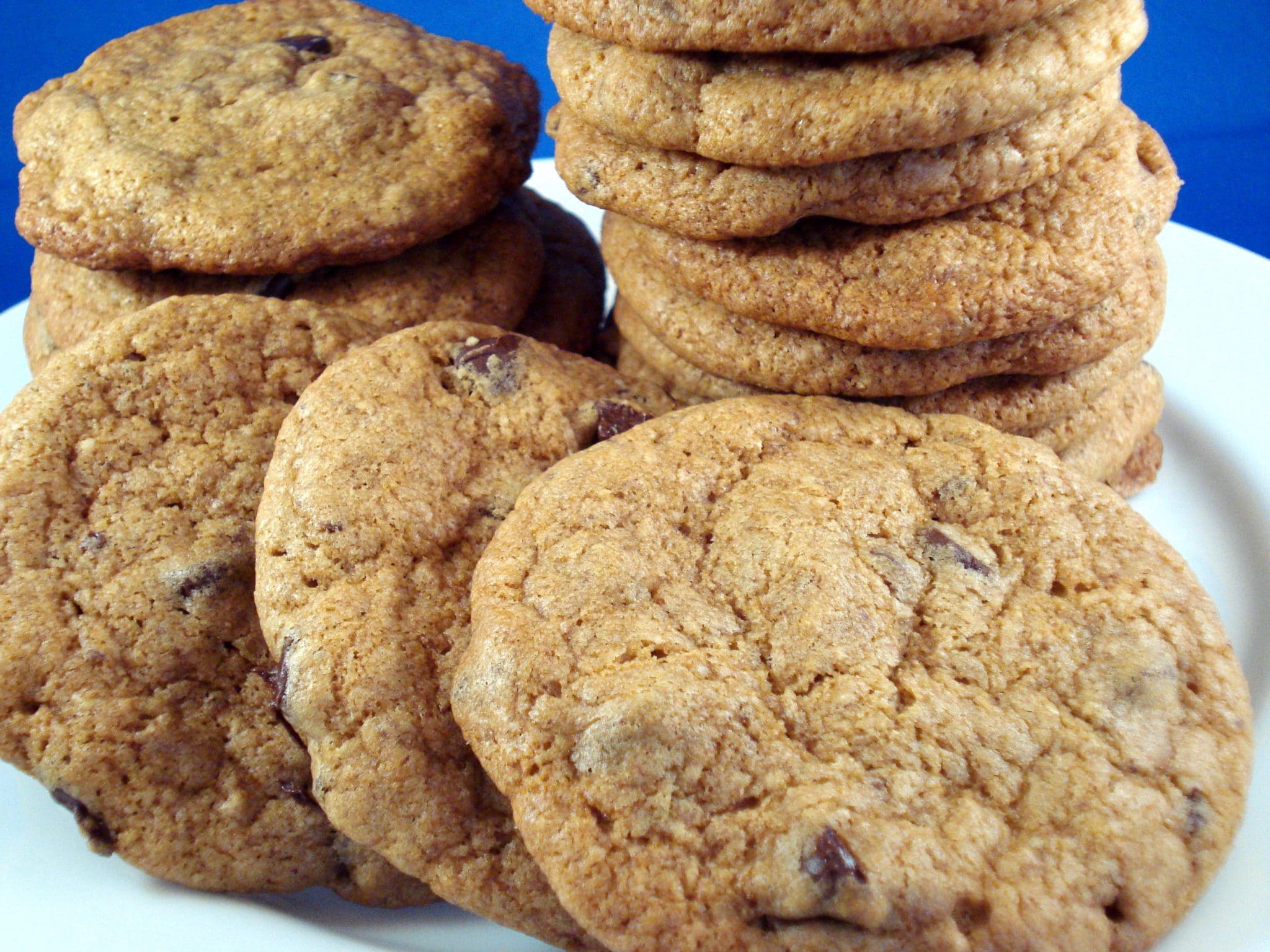
Gluten-Free Baking: A Delicious Journey to Healthier Alternatives
In recent years, gluten-free baking has gained significant popularity among individuals seeking a healthier lifestyle or those with gluten sensitivities. What was once considered a niche market is now thriving, with a wide range of options available for those who want to enjoy baked goods without the presence of gluten. This retrospective post aims to shed light on the journey and evolution of gluten-free baking and its impact on healthy eating.
To understand the significance of gluten-free baking, we must first grasp what exactly gluten is. Gluten is a protein found in wheat, barley, and rye that provides elasticity in dough and helps it rise. However, for some individuals with celiac disease or non-celiac gluten sensitivity (NCGS), consuming gluten can lead to digestive discomfort and other adverse health effects.
The early days of gluten-free baking were challenging as many traditional recipes heavily relied on wheat flour. The absence of this key ingredient meant bakers had to experiment with alternative flours such as rice flour, almond flour, coconut flour, tapioca starch, or sorghum flour. These substitutions brought unique flavors and textures to baked goods but required careful adjustments to achieve desirable outcomes.
One common challenge faced by early adopters of gluten-free baking was achieving the same level of moisture retention typically provided by wheat-based products. To tackle this hurdle, various ingredients like xanthan gum or guar gum were incorporated into recipes as binding agents that mimic the properties of gluten. Additionally, natural binders such as applesauce or mashed bananas became popular alternatives.
In terms of taste profile improvements within the realm of gluten-free baking emerged over time as well. Initially criticized for being dry or lacking flavor compared to their traditional counterparts, advancements in recipe development allowed bakers to enhance taste through added ingredients like honey or maple syrup instead of refined sugar. Incorporating fruits like dates or raisins also contributed natural sweetness while adding depth to the overall flavor.
Another significant breakthrough in gluten-free baking was the introduction of alternative grains like quinoa, amaranth, teff, and buckwheat. These ancient grains not only offered improved nutritional profiles but also brought exciting flavors and textures to baked goods. Experimentation with these diverse ingredients led to creations that were not only gluten-free but also rich in fiber, vitamins, minerals, and antioxidants.
As gluten-free baking gained momentum, it became clear that individuals following a gluten-free diet deserved access to a wide range of options beyond bread and cookies. This realization sparked innovation in product development. Today, one can find an array of gluten-free pastas, pizza crusts, pie crusts, cakes mixes, pancake mixes – you name it! The market has expanded exponentially as companies recognized the demand for convenience without compromising health goals.
Gluten-free baking has even made its way into professional kitchens and bakeries worldwide. Chefs have embraced the challenge of creating exquisite desserts that cater to those with dietary restrictions while maintaining exceptional taste and presentation. This has further encouraged home bakers to push their creative boundaries by experimenting with different recipes or adapting existing ones for a gluten-free audience.
In recent years there has been increased awareness surrounding cross-contamination risks during food preparation among establishments offering both traditional and gluten-free options. To address this concern effectively several restaurants have implemented dedicated workspaces or separate facilities entirely for preparing gluten-free dishes or baked goods. Such measures ensure peace of mind for individuals adhering strictly to a gluten-free diet.
It is important to acknowledge that while great strides have been made within the realm of gluten-free baking over the years; challenges still exist. Achieving consistent results across different recipes remains elusive at times due to variations between alternative flours or binders used in each recipe formulation. Additionally, cost can be a barrier as some specialty ingredients may come at higher prices than their wheat-based counterparts.
In conclusion, gluten-free baking has come a long way since its inception. What once seemed like an insurmountable task has transformed into an exciting journey of culinary exploration. The world of gluten-free baking now offers a plethora of options, ranging from everyday staples to gourmet indulgences. As more people embrace the benefits of a gluten-free lifestyle, the future holds promise for further advancements and delightful creations in this ever-evolving field. So whether you have celiac disease, NCGS or simply want to explore healthier alternatives, dive into the wonderful world of gluten-free baking and discover a new realm of flavors waiting to be explored!

Leave a Reply