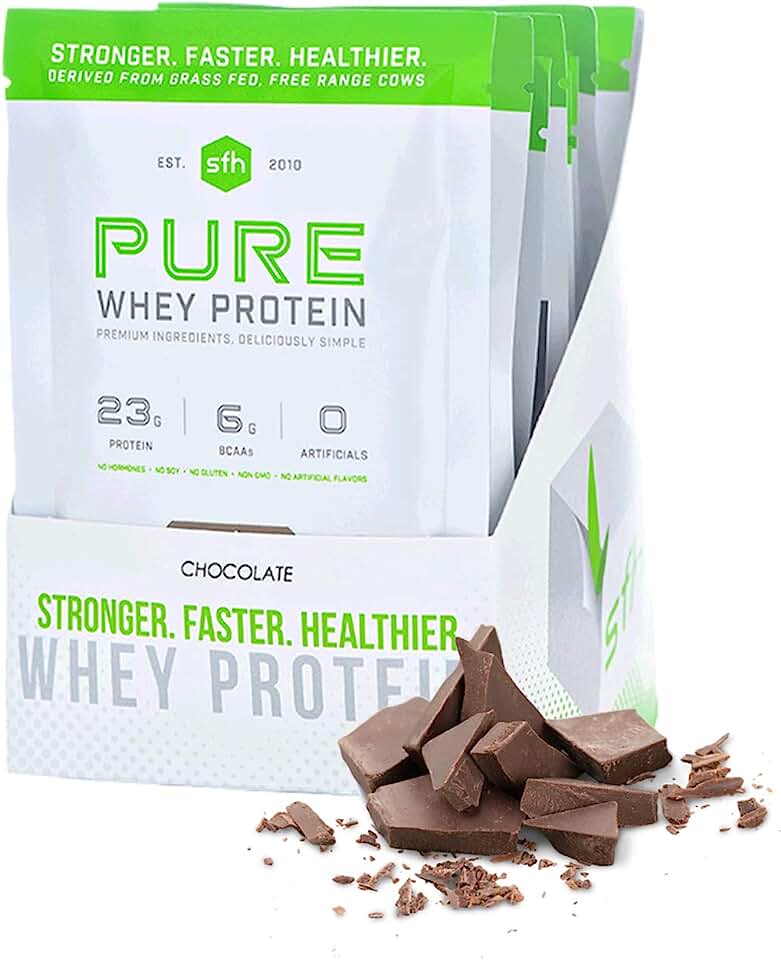
Protein powders have become increasingly popular in the health and fitness community. They are a convenient and affordable way to increase your protein intake, which is important for muscle growth, recovery, and overall health. With so many options available on the market, it can be overwhelming to choose the right protein powder for your needs.
One factor that often comes into consideration when selecting a protein powder is its cost per serving. Calculating this can help you make an informed decision about which product offers the best value for money without compromising quality. In this article, we will explore different types of protein powders and guide you through calculating their cost per serving.
Types of Protein Powders
Before diving into calculations, let’s familiarize ourselves with some common types of protein powders:
1. Whey Protein: Derived from milk during cheese-making, whey protein is one of the most popular options due to its high biological value (BV) and quick absorption rate. It contains all essential amino acids necessary for muscle growth and repair.
2. Casein Protein: Also derived from milk, casein protein has a slower digestion rate compared to whey protein. This makes it ideal for sustained release throughout the day or before bedtime.
3. Soy Protein: Made from soybeans, soy protein is an excellent vegetarian/vegan alternative to dairy-based proteins. It contains all essential amino acids but may not have as high BV as whey or casein proteins.
4. Pea Protein: Pea protein is another plant-based option that provides a good source of amino acids while being easily digestible by most people.
5. Rice Protein: Made from brown rice grains after isolating carbohydrates and fiber, rice protein also offers a vegan-friendly choice with moderate BV.
Calculating Cost Per Serving
To calculate the cost per serving of a particular protein powder brand or type, follow these steps:
Step 1: Determine Price
Start by noting down the price of the protein powder you wish to evaluate. Prices can vary depending on brand, size, and location of purchase. Keep in mind that larger containers often offer better value for money.
Step 2: Identify Serving Size
Check the product’s packaging or label to find information about serving size. It is usually measured in grams or scoops. This will help you determine how many servings are included in one container.
Step 3: Determine Protein Content per Serving
Next, look for the protein content per serving stated on the package. For example, a whey protein powder may contain 25g of protein per serving.
Step 4: Calculate Cost Per Gram of Protein
To calculate cost per gram of protein, divide the price by the total grams of protein in one container. For instance:
Cost Per Gram = Price / (Protein Content per Serving x Number of Servings)
For example, if a 2-pound container costs $30 and provides 30 servings with each serving containing 25g of protein:
Cost Per Gram = $30 / (25g x 30) = $0.04/g
This calculation tells us that each gram of protein from this particular powder costs four cents.
Factors to Consider
While calculating cost per serving is essential when comparing different protein powders, it’s equally important to consider other factors before making your final decision:
1. Quality: Look for reputable brands that undergo third-party testing for quality assurance and safety standards.
2. Ingredients: Check the ingredient list for any additives, artificial sweeteners, or fillers that might not align with your dietary preferences or health goals.
3. Taste and Mixability: Opting for a flavor you enjoy and a powder that mixes well can make consuming it a more enjoyable experience.
4. Allergies or Sensitivities: If you have any known allergies or sensitivities to certain proteins like dairy or soy, choose a powder that fits your dietary needs.
5. Specific Goals: Consider whether you need a protein powder for muscle building, weight loss, or general daily protein supplementing. Different powders may have varying macronutrient profiles that align better with specific goals.
Conclusion
Calculating the cost per serving of protein powders can help you make an informed decision when it comes to choosing the right product for your needs and budget. By comparing prices and nutritional information, you can find the best value without compromising quality.
Remember to consider factors beyond cost per serving, such as taste, ingredients, and any specific dietary requirements or goals you have. Ultimately, finding a protein powder that meets all your criteria will ensure optimal results in terms of health benefits and overall satisfaction.

Leave a Reply