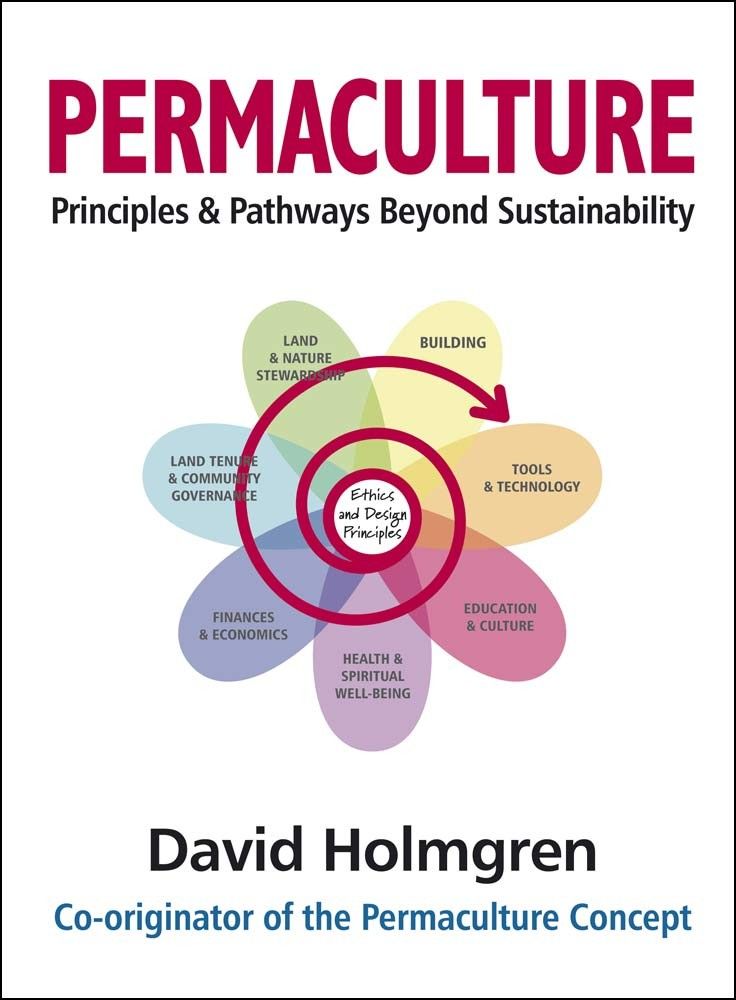
Permaculture Design: 15 Principles for a Sustainable Lifestyle
Permaculture design is a holistic approach to sustainable living that focuses on creating systems that are not only self-sufficient but also regenerative and resilient. It encourages us to work with nature rather than against it, aiming to create abundance while minimizing our ecological footprint. In this article, we will explore 15 principles of permaculture design that can help transform our lifestyles and contribute to a healthier planet.
1. Observe and interact:
The first step in permaculture design is observation. By deeply understanding the natural patterns and processes of our surroundings, we can better align ourselves with them. This allows us to identify opportunities for intervention or improvement.
2. Catch and store energy:
Permaculturists emphasize the importance of capturing, storing, and utilizing energy efficiently in all its forms – sunlight, wind, water, etc. This principle highlights the use of renewable resources over non-renewable ones whenever possible.
3. Obtain a yield:
A productive system should always provide some form of return or benefit to those who manage it. Whether it’s food production or ecosystem services like clean air and water, obtaining yields ensures sustainability.
4. Apply self-regulation and accept feedback:
Just as ecosystems rely on feedback loops for balance, so too should our designs be flexible enough to adapt based on feedback from the environment or community needs.
5. Use renewable resources wisely:
Renewable resources such as solar power or rainwater harvesting need to be used judiciously without depleting them faster than they can regenerate.
6. Produce no waste:
In nature, one organism’s waste becomes another organism’s resource – nothing goes unused or wasted. Applying this principle means striving for zero waste by reusing materials or finding alternative uses for them within the system.
7. Design from patterns to details:
By observing natural patterns at various scales (from microorganisms to ecosystems), we can create designs that mimic and enhance these patterns. This approach helps us develop efficient and resilient systems.
8. Integrate rather than segregate:
In permaculture, diversity is key. By integrating different elements within a system – such as plants, animals, and microorganisms – we can create more balanced and productive ecosystems.
9. Use small-scale, intensive systems:
Permaculture encourages the use of small-scale systems that are manageable and more resilient to changes or disruptions in the environment. These systems allow for greater control while minimizing resource inputs.
10. Use edges and value the marginal:
Edges – where two ecosystems meet – are often incredibly diverse and productive areas in nature. In permaculture design, utilizing edges maximizes productivity by optimizing interactions between different elements.
11. Creatively use and respond to change:
Change is inevitable, both in nature and our lives. Permaculturists embrace change as an opportunity to adapt creatively to new circumstances, allowing them to build resilience into their designs.
12. Optimize energy efficiency:
Energy efficiency involves designing systems that require minimal inputs while maximizing outputs. This principle ensures sustainable resource management throughout the design process.
13. Value biodiversity:
Biodiversity provides stability within ecosystems by increasing resilience against pests, diseases, or other disturbances. Permaculturists prioritize preserving existing biodiversity while actively promoting its enhancement through species selection or habitat creation.
14: Utilize renewable resources locally:
Permaculture emphasizes sourcing materials locally whenever possible to minimize transportation impacts on the environment while supporting local economies.
15: Collaborative community involvement:
Permaculture is not only about individual actions but also about building strong communities that share knowledge and resources towards sustainable living practices collectively.
By incorporating these 15 principles into our daily lives, we can create regenerative landscapes right in our backyards or communities – from growing food sustainably to conserving water resources effectively.
Remember that permaculture design is a journey, and it requires patience, curiosity, and continuous learning. Start small, experiment, and gradually expand your knowledge and practice. Together we can create a greener future for ourselves and generations to come.

Leave a Reply