Fiber: The Unsung Hero of Healthy Eating
In the world of nutrition, there are countless trends and fads that come and go. From juice cleanses to fat-free diets, it seems like everyone is always searching for the magic solution to achieving optimal health. But amidst all these fleeting crazes, there’s one nutrient that has stood the test of time – fiber.
Yes, you read that right – fiber! Often overlooked and underestimated, fiber is an unsung hero in the realm of healthy eating. It may not have the glamour or buzz associated with other nutrients, but its benefits are truly remarkable.
So what exactly is fiber? In simple terms, dietary fiber refers to plant-based carbohydrates that cannot be digested by our bodies. Unlike other nutrients such as proteins or fats, fiber passes through our digestive system relatively intact. This unique characteristic gives it a range of health benefits that make it an essential component of a well-balanced diet.
One major advantage of consuming adequate amounts of dietary fiber is its positive impact on digestion. Fiber helps maintain regular bowel movements by adding bulk to stool and preventing constipation. It also promotes a healthy gut microbiome by serving as fuel for beneficial bacteria in our intestines.
But wait, there’s more! Fiber can also help control blood sugar levels and reduce the risk of developing type 2 diabetes. When we consume foods high in soluble fibers like oats or legumes, they form a gel-like substance in our stomachs that slows down digestion and glucose absorption into the bloodstream. This mechanism prevents sudden spikes in blood sugar levels after meals and contributes to long-term glycemic control.
Not only does fiber regulate digestion and blood sugar levels, but it also plays a crucial role in maintaining heart health. Numerous studies have shown that increasing dietary fiber intake can lower LDL (bad) cholesterol levels while raising HDL (good) cholesterol levels. By doing so, it reduces the risk factors associated with heart disease, including high blood pressure and inflammation.
But let’s not forget about weight management! If you’re looking to shed a few pounds or maintain a healthy weight, fiber can be your best friend. High-fiber foods are generally less energy-dense but more satiating than their low-fiber counterparts. This means that by incorporating fiber-rich foods into your meals, you’ll feel fuller for longer without consuming excessive calories. It’s like having your cake and eating it too – quite literally!
Now that we’ve established the numerous health benefits of fiber, let’s dive into the different sources and types of this nutrient. Fiber comes in two main forms: soluble and insoluble.
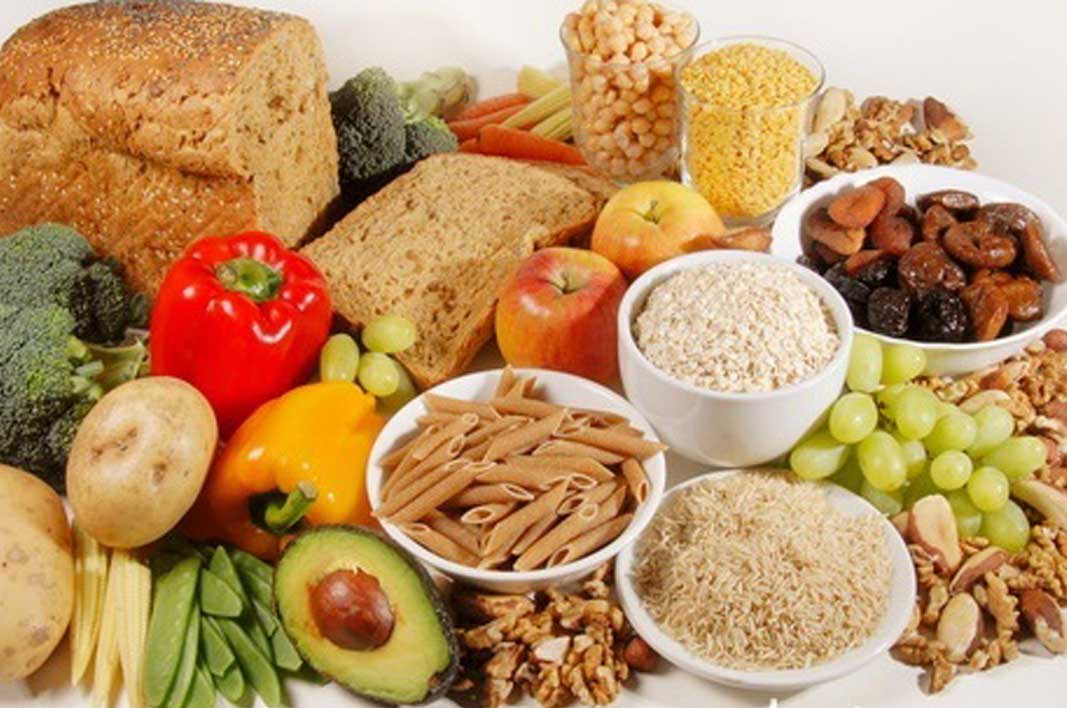
Soluble fiber dissolves in water to form a gel-like substance in our digestive system. Good sources of soluble fiber include oats, legumes (such as chickpeas and lentils), fruits (like oranges and apples), vegetables (especially Brussels sprouts and carrots), and chia seeds. Apart from its role in digestion regulation, soluble fiber also acts as a prebiotic – nourishing the good bacteria in our gut.
On the other hand, insoluble fiber doesn’t dissolve in water but adds bulk to our stool. Whole grains (like brown rice and whole wheat bread), nuts, seeds (such as flaxseeds), and most vegetables are excellent sources of insoluble fiber. Its primary function is to promote regular bowel movements and prevent constipation.
As beneficial as dietary fibers are for our overall health, it’s essential to gradually increase intake rather than making drastic changes overnight. Rapidly increasing consumption can lead to bloating, gas, or even diarrhea – nobody wants that! Instead, aim for small incremental increases over time while maintaining proper hydration levels throughout the day.
So how much fiber should you consume daily? The recommended daily intake varies depending on age group and gender. Generally speaking though:
– Adult men under 50 years old should aim for about 38 grams of fiber per day.
– Adult women under 50 years old should strive for around 25 grams of fiber daily.
– For adults over 50, the recommended intake decreases slightly to approximately 30 grams for men and 21 grams for women.
Remember, these are just general guidelines, and individual needs may vary. It’s always a good idea to consult with a registered dietitian or healthcare professional to determine the appropriate amount based on your specific circumstances.
Incorporating more fiber into your diet doesn’t have to be a daunting task. Here are some simple tips to help you boost your daily fiber intake:
1. Start your day with whole grain cereals or bread instead of refined options.
2. Snack on fresh fruits and raw vegetables throughout the day.
3. Replace white rice or pasta with their whole grain counterparts.
4. Experiment with legumes like beans, lentils, and chickpeas in soups, stews, salads, or even as meat substitutes in recipes.
5. Add chia seeds or ground flaxseeds to smoothies, yogurt bowls, or baked goods.
Ultimately, incorporating more fiber into our diets is not only beneficial but also enjoyable! The key is to explore various high-fiber foods and experiment with creative ways to include them in our meals.
So let’s raise our glasses (of water!) and toast to the unsung hero of healthy eating – fiber! Cheers to its digestion-regulating powers, blood sugar-controlling abilities, heart-health benefits, weight management support – all wrapped up in one nutrient-packed package. Here’s hoping that this often overlooked yet essential component finds its rightful place at the forefront of our plates and minds when it comes to nourishing ourselves for optimal health!

Leave a Reply