Vitamin K: A Comprehensive Guide to its Benefits and Sources
Welcome to our comprehensive guide on Vitamin K! In this article, we will explore everything you need to know about this essential nutrient. From its health benefits to the best food sources, we’ve got you covered.
What is Vitamin K?
Vitamin K is a fat-soluble vitamin that plays a crucial role in blood clotting and bone health. It exists in two primary forms: Vitamin K1 (phylloquinone) and Vitamin K2 (menaquinone). While both types have similar functions, they differ in their sources and absorption by the body.
Health Benefits of Vitamin K
1. Blood Clotting: One of the most notable functions of Vitamin K is its involvement in blood clotting. When there’s an injury or bleeding, it helps activate proteins that form blood clots, preventing excessive bleeding.
2. Bone Health: Vitamin K aids in the production of proteins necessary for bone mineralization and calcium absorption. Adequate intake of this vitamin can help reduce the risk of osteoporosis and fractures, particularly in older adults.
3. Heart Health: Some studies suggest that adequate levels of Vitamin K may contribute to heart health by reducing calcification of arteries and improving overall cardiovascular function.
4. Brain Function: Emerging research suggests that Vitamin K could play a role in brain health as well, with some studies indicating potential benefits for cognitive function and memory retention.
Types of Vitamin K
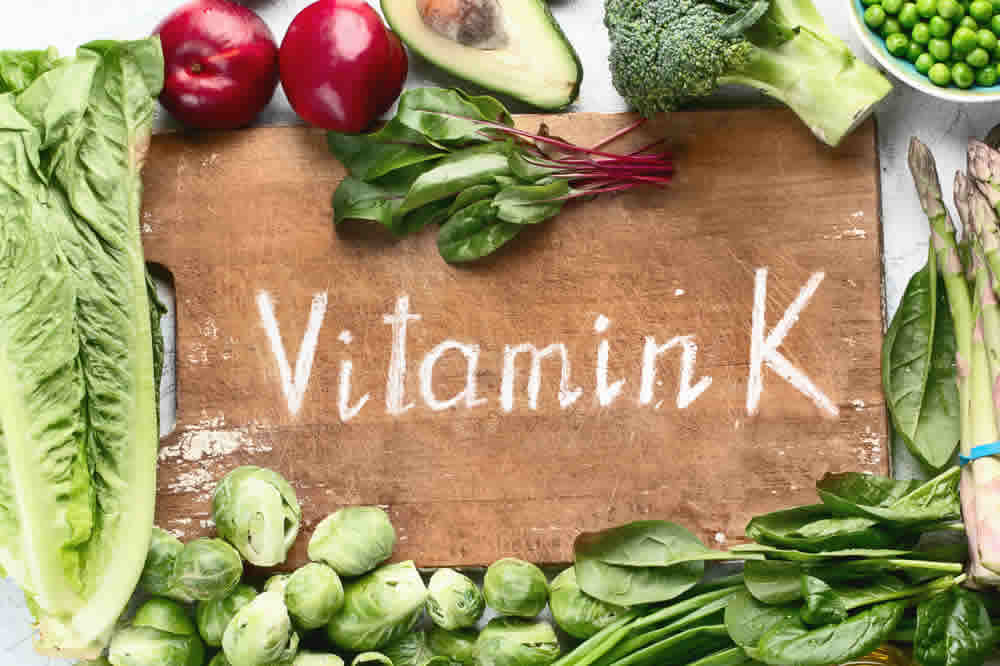
1. Vitamin K1 (Phylloquinone): Found abundantly in green leafy vegetables like kale, spinach, broccoli, and Brussels sprouts, as well as certain vegetable oils such as soybean oil or canola oil.
2. Vitamin K2 (Menaquinone): This form is primarily produced by bacteria found naturally within our intestines but can also be obtained from dietary sources such as fermented foods like cheese or natto (a traditional Japanese dish made from fermented soybeans).
Food Sources of Vitamin K
To ensure an adequate intake of Vitamin K, consider incorporating the following foods into your diet:
1. Leafy Greens: Kale, spinach, Swiss chard, and collard greens are excellent sources of Vitamin K1. Aim to consume at least one serving of these nutrient-rich vegetables daily.
2. Cruciferous Vegetables: Broccoli, Brussels sprouts, and cabbage are not only rich in fiber but also provide a good amount of Vitamin K1.
3. Herbs: Fresh herbs like parsley, cilantro, basil, and thyme contain significant amounts of Vitamin K1 and can be easily added to your meals or used as a garnish.
4. Fermented Foods: Natto is the highest food source of Vitamin K2. Other fermented foods like sauerkraut and certain cheeses may also provide small amounts.
5. Animal-based Products: While animal products generally contain lower levels of vitamin K compared to plant sources, some animal-based products such as eggs and liver do offer small amounts.
Daily Recommended Intake
The recommended daily intake for vitamin K varies based on age and gender:
– Infants (0-6 months): 2 micrograms (mcg)
– Infants (7-12 months): 2.5 mcg
– Children (1-3 years): 30 mcg
– Children (4-8 years): 55 mcg
– Adolescents (9–13 years): 60 mcg
– Teenagers/Adults (14+ years):
– Males: 120 mcg
– Females: 90 mcg
It’s worth noting that excessive intake through supplementation isn’t recommended without medical advice since high doses can interfere with certain medications or health conditions.
Vitamin K Deficiency
Vitamin K deficiency is relatively rare but can occur in certain situations, including:
1. Insufficient Intake: A diet lacking in vitamin K-rich foods can lead to deficiency over time.
2. Fat Malabsorption: Conditions such as cystic fibrosis, celiac disease, or liver disorders that affect fat absorption can impair the body’s ability to absorb Vitamin K from food.
3. Antibiotic Use: Prolonged use of broad-spectrum antibiotics may disrupt the gut bacteria responsible for producing Vitamin K2.
Symptoms of Vitamin K deficiency include easy bruising, excessive bleeding (such as nosebleeds), and heavy menstrual bleeding in women. If you suspect a deficiency, it’s important to consult with your healthcare provider for proper evaluation and guidance.
Conclusion
Vitamin K is an essential nutrient with numerous health benefits. From its role in blood clotting and bone health to potential cardiovascular and brain function benefits, ensuring an adequate intake is crucial for overall well-being. By incorporating vitamin-K-rich foods like leafy greens, cruciferous vegetables, herbs, fermented foods, and animal-based products into your diet, you can easily meet your daily requirements. As always, consult with a healthcare professional before making any significant changes to your dietary habits or considering supplementation.

Leave a Reply