Seasonal Cooking: Q&A Guide to Eating Healthy and Fresh
Q: What is seasonal cooking, and why is it important?
A: Seasonal cooking refers to the practice of using ingredients that are currently in season. It involves choosing fruits, vegetables, herbs, and other produce that naturally grow during a specific time of the year in your region. This approach to cooking is essential for several reasons. Firstly, seasonal produce tends to be fresher because it doesn’t have to travel long distances or spend excessive time in storage before reaching your plate. Secondly, it supports local farmers and reduces your carbon footprint by reducing the need for long-distance transportation. Lastly, seasonal ingredients offer greater nutritional value as they are harvested at their peak ripeness.
Q: How can I know which foods are in season?
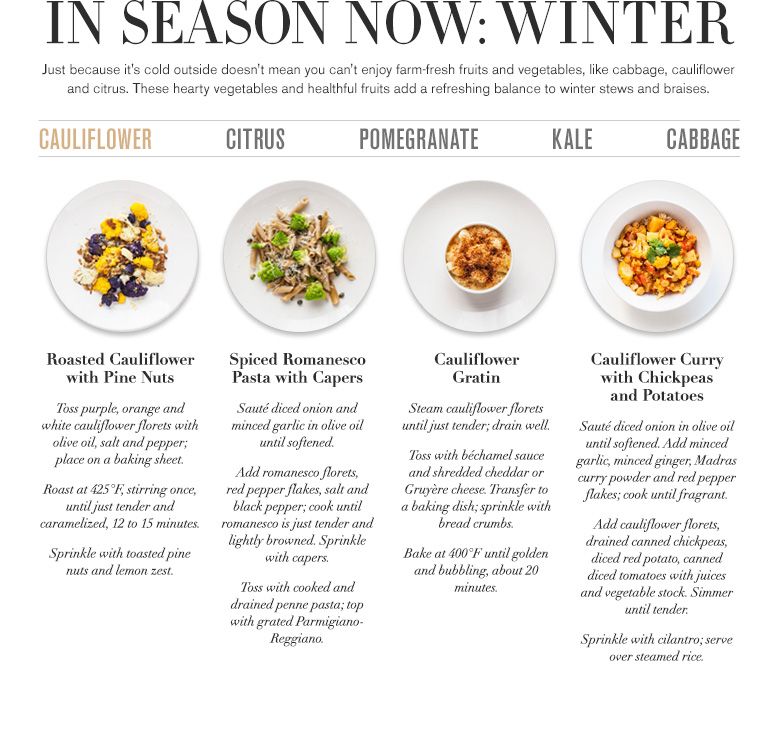
A: Understanding which foods are in season requires some research specific to your geographical location. However, there are general guidelines you can follow. In spring, look for fresh greens like spinach and asparagus; summer brings an abundance of berries, melons, tomatoes, cucumbers; autumn offers squashes, apples, pears; while winter yields root vegetables like carrots and turnips alongside citrus fruits such as oranges and grapefruits.
Q: Are there any health benefits associated with eating seasonally?
A: Yes! When you eat seasonal food picked at its ripest point rather than artificially ripened produce from far away locations or out-of-season crops grown under artificial conditions (such as greenhouses), you get more nutrients per bite. Seasonal fruits and vegetables contain higher levels of vitamins A and C along with various antioxidants due to natural exposure to sunlight during their growing period.
Q: How does seasonal cooking contribute to sustainable living?
A: By embracing seasonal cooking practices, we support sustainability on multiple fronts. Locally sourced ingredients require less energy-intensive transportation since they don’t need long-distance shipping or refrigeration over extended periods. Additionally, seasonal cooking encourages crop rotation and reduces the need for chemical fertilizers and pesticides, promoting healthier soil quality. Finally, it helps preserve biodiversity by valuing a wider variety of fruits, vegetables, and herbs.
Q: Can I still eat my favorite meals while practicing seasonal cooking?
A: Absolutely! Seasonal cooking isn’t about limiting your options but rather embracing the best flavors each season has to offer. You can adapt your favorite recipes by substituting out-of-season ingredients with those currently available. For example, if you love pasta primavera in winter when tomatoes are not in season, replace them with roasted root vegetables like sweet potatoes or parsnips.
Q: How can I start incorporating seasonal ingredients into my meals?
A: Begin by researching what produce is currently in season in your area. Visit farmers’ markets or join a local CSA (Community Supported Agriculture) program where you’ll receive a weekly box of fresh produce directly from nearby farms. Experiment with new recipes that highlight the flavors of seasonal ingredients. Get creative and try different combinations to make the most of what’s available during any given time.
Q: What are some tips for preserving excess seasonal produce?
A: If you find yourself with an abundance of seasonal produce that you cannot consume immediately, there are several preservation methods you can employ. Freezing is one common technique – wash and chop the fruits or vegetables before packing them into freezer-safe bags or containers. Canning is another option – this process involves heating food in jars at high temperatures to kill bacteria and prevent spoilage. Lastly, consider pickling or fermenting surplus veggies as these methods extend their shelf life while introducing interesting flavors to your dishes.
Q: Any final words of advice for those interested in trying out seasonal cooking?
A: Embrace the beauty and diversity that each season brings to your plate! Seasonal cooking allows us to connect more intimately with nature’s rhythms while enjoying delicious meals packed with nutrients. Start small by incorporating one or two seasonal ingredients into your regular meals, and gradually expand from there. Remember to be flexible and open-minded as you explore new flavors and recipes – it’s all part of the exciting journey towards healthier, more sustainable eating habits.

Leave a Reply