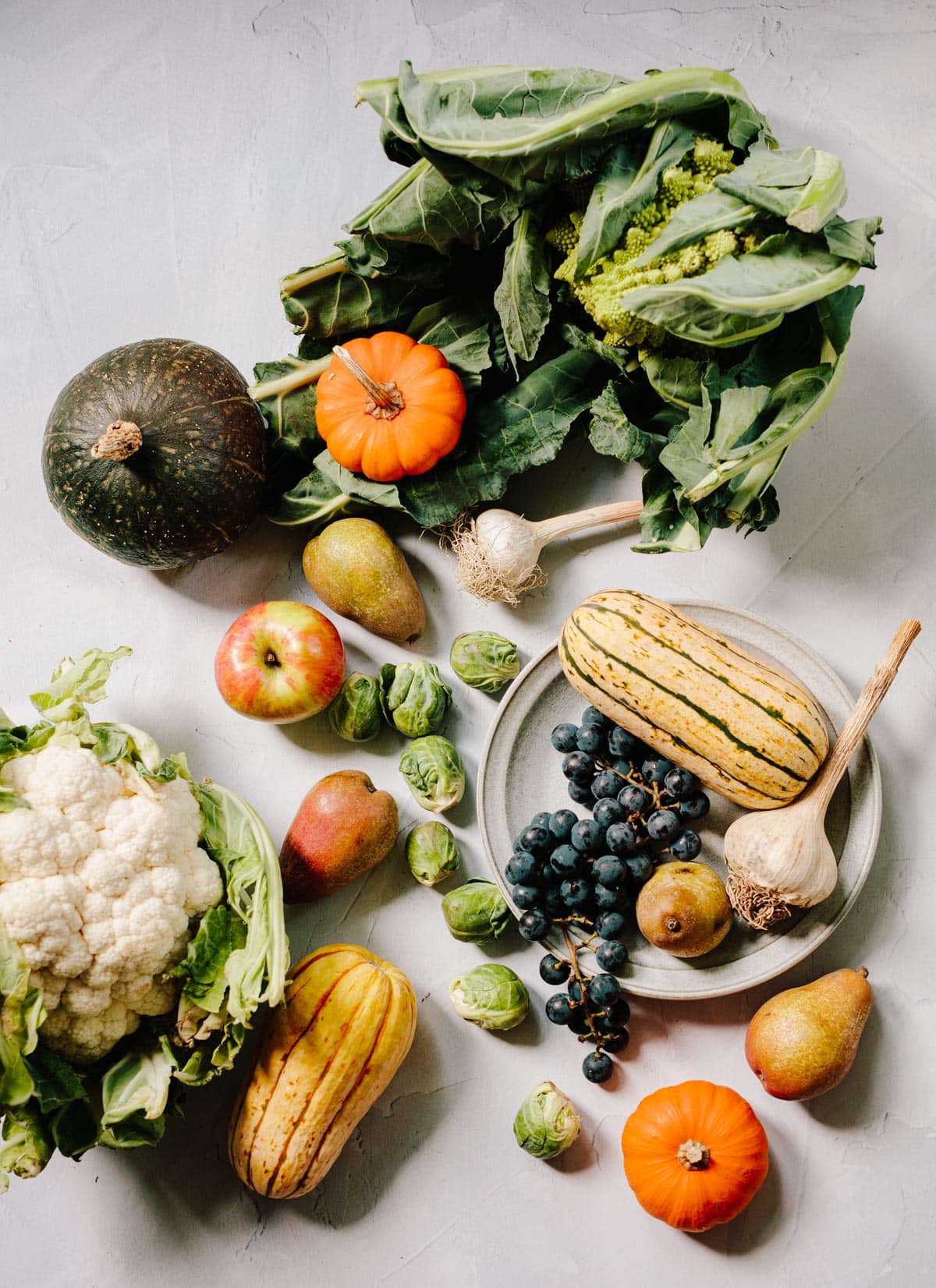
Seasonal fruits and vegetables are not only delicious but also packed with nutrients. Eating foods that are in season ensures that you are getting the freshest produce, as they are harvested at their peak ripeness. In addition, seasonal produce is often more affordable and environmentally friendly since it doesn’t have to travel long distances to reach your plate.
Organic farming practices play a crucial role in ensuring the health of both consumers and the environment. Organic farmers use natural methods to control pests and diseases, such as crop rotation, companion planting, and biological pest control. They also avoid using synthetic fertilizers and pesticides that can harm human health or pollute water sources.
Community-supported agriculture (CSA) programs have gained popularity in recent years as a way for consumers to directly support local farmers while receiving fresh, seasonal produce. CSA members typically pay an upfront fee at the beginning of the growing season, which helps farmers cover their costs. In return, members receive weekly or bi-weekly boxes of fresh vegetables and sometimes fruits from the farm throughout the season.
Farmers markets provide another avenue for consumers to connect with local growers and access fresh produce directly from the source. These markets offer a wide variety of fruits, vegetables, herbs, honey, dairy products, meats, eggs, baked goods, and much more. By shopping at farmers markets instead of supermarkets or grocery stores chains where much of the food is shipped from far away locations – consumers can reduce their carbon footprint while supporting small-scale local agriculture.
Locally sourced honey is not only sweet but also offers several health benefits. Local honey is believed to help alleviate allergies by exposing individuals to small amounts of pollen found in their area through regular consumption over time. It’s important to note that this method should be approached cautiously if you have severe allergies or other medical conditions – consulting with a healthcare provider is advised.
Sustainable seafood options are essential for preserving marine ecosystems while still enjoying delicious seafood dishes. When shopping for seafood, look for labels or certifications such as the Marine Stewardship Council (MSC) or the Aquaculture Stewardship Council (ASC), which indicate that the seafood has been sourced sustainably. Additionally, opting for locally caught seafood reduces carbon emissions associated with transportation.
Indigenous crops and traditional recipes are valuable cultural assets that can be incorporated into a healthy eating regime. By exploring these crops and recipes, we not only promote diversity but also support local farmers who grow these unique varieties. Traditional recipes often feature seasonal ingredients and offer a delicious way to connect with our heritage while nourishing our bodies.
Local dairy products provide an excellent source of calcium and protein while supporting nearby farmers. Look for dairy products labeled “grass-fed” or “pasture-raised,” indicating that the cows have been fed a natural diet primarily consisting of grass or pasture plants instead of grains. If you are lactose intolerant or prefer plant-based alternatives, many local producers also offer non-dairy options made from almonds, soybeans, oats, and other ingredients.
Specialty mushrooms grown locally add depth of flavor to dishes while providing numerous health benefits. Mushrooms are low in calories but rich in nutrients like vitamins B and D as well as antioxidants. Local mushroom farms often cultivate unique varieties such as shiitake, oyster, lion’s mane, and more – expanding culinary possibilities beyond what is typically available at supermarkets.
Edible flowers not only add beauty to dishes but can also enhance flavors and provide additional nutrients. Popular edible flowers include pansies, marigolds, nasturtiums, lavender blossoms, and rose petals among others. They can be used in salads, desserts like cakes or ice cream toppings; infused into syrups or teas; added to cocktails; or even candied as a sweet treat.
Lastly, locally made condiments bring an extra layer of flavor to meals while supporting small-scale producers in your community. From tangy mustard and spicy hot sauce to sweet and savory chutneys, locally made condiments often feature high-quality ingredients sourced from nearby farms. By opting for these artisanal products, you are not only supporting local businesses but also enjoying unique flavors that can elevate your meals.
In conclusion, embracing seasonal fruits and vegetables, organic farming practices, CSA programs, farmers markets, locally sourced honey and dairy products, sustainable seafood options, indigenous crops and traditional recipes, specialty mushrooms, edible flowers in cooking as well as locally made condiments all contribute to a healthier eating lifestyle while supporting local communities. Incorporating these elements into your diet not only benefits your own well-being but also helps promote sustainable agriculture and preserve cultural heritage. So go ahead – explore the abundance of local food options available to you and savor the flavors of your region!

Leave a Reply