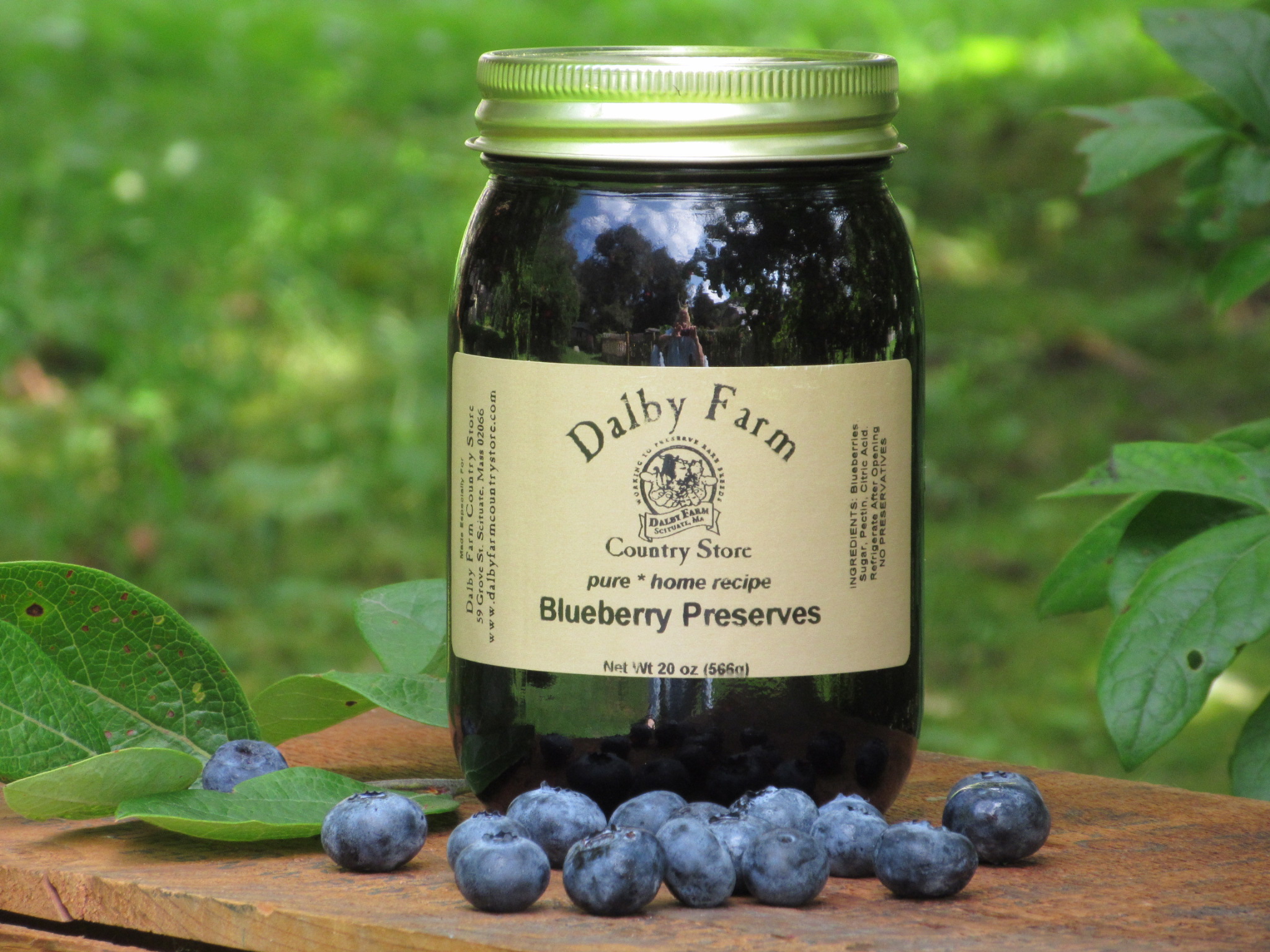
Welcome to our latest edition of the Healthy Eating newsletter! Today, we are excited to delve into the world of Middle Eastern blueberry preserves and jams. Bursting with flavor and packed with nutrients, these delectable treats are not only delicious but also offer numerous health benefits.
Blueberries, known for their vibrant color and sweet-tart taste, are a superfood rich in antioxidants, vitamins, and fiber. In Middle Eastern cuisine, they are used to create delightful preserves and jams that can be enjoyed in a variety of ways – spread on toast or scones, swirled into yogurt or oatmeal, or even as a topping for ice cream.
One popular variation of blueberry preserve from the Middle East is called “Murrabba,” which is Arabic for jam. Murrabba is made by cooking down fresh blueberries with sugar until it reaches a thick consistency. This traditional method helps preserve the fruit’s natural freshness while enhancing its sweetness.
In addition to being tasty, these Middle Eastern blueberry preserves provide several health benefits:
1. Antioxidant Powerhouse: Blueberries contain high levels of antioxidants such as anthocyanins that help protect your cells from damage caused by free radicals. These antioxidants have been linked to reducing inflammation in the body and promoting overall well-being.
2. Heart Health: The abundance of polyphenols found in blueberries has been associated with a reduced risk of heart disease. Studies have shown that regular consumption of blueberries can lower blood pressure and improve cholesterol levels.
3. Brain Boost: Blueberries are often referred to as “brain berries” due to their potential cognitive benefits. Research suggests that consuming blueberries may improve memory function and delay age-related decline in brain function thanks to their high content of flavonoids.
4. Digestive Aid: The fiber content in blueberries plays an important role in maintaining a healthy digestive system. Including these fruits in your diet can help prevent constipation and promote regular bowel movements.
5. Eye Health: Blueberries are rich in compounds such as lutein and zeaxanthin, which have been shown to support eye health by reducing the risk of cataracts and age-related macular degeneration.
Now that we understand the benefits, let’s explore some Middle Eastern blueberry preserves and jams you can try at home:
1. Lebanese Blueberry Jam: This traditional recipe combines fresh blueberries with lemon juice, sugar, and a hint of rosewater for a delightful twist. The rosewater adds an aromatic flavor that pairs beautifully with the natural sweetness of the blueberries.
2. Persian Blueberry Preserve: In Iran, blueberries are transformed into a thick preserve known as “Morabba-ye Toot Farangi.” This fragrant concoction is made by simmering blueberries with sugar, lemon zest, cardamom pods, and a touch of saffron for an exotic flair.
3. Turkish Blueberry Compote: Similar to murrabba but with a slightly different preparation method, this compote involves cooking down blueberries with sugar until they release their natural juices to create a syrupy consistency. The addition of cinnamon or cloves adds warmth to this simple yet delicious condiment.
Remember that homemade preserves tend to have less added sugar compared to store-bought versions. By making your own Middle Eastern blueberry preserves at home, you can control the amount of sweetener used while enjoying all the natural goodness these berries offer.
Whether you choose to savor them on breakfast toast or incorporate them into desserts and snacks throughout the day, Middle Eastern blueberry preserves are sure to delight your taste buds while providing a healthy boost of nutrients.
So why not give these delightful creations a try? Elevate your culinary experience by indulging in Middle Eastern-inspired flavors right from your own kitchen!

Leave a Reply