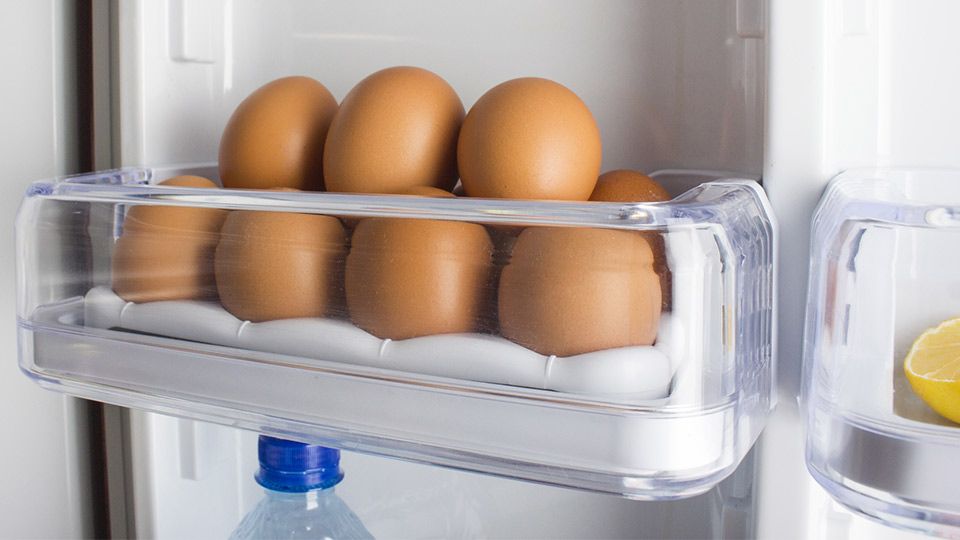
Free-range eggs have become increasingly popular in recent years due to their superior taste and nutritional value. Raised in a more natural environment, free-range hens produce eggs that are not only delicious but also packed with essential nutrients. To make the most of these high-quality eggs, it is important to store them properly. In this article, we will explore everything you need to know about storing free-range eggs safely and effectively.
Why Proper Storage Matters
Properly storing your free-range eggs not only helps maintain their freshness but also reduces the risk of contamination and foodborne illnesses. Eggs are porous, meaning they can absorb odors and flavors from other foods in your refrigerator if not stored correctly. Additionally, improper storage can lead to a decline in quality and make the eggs spoil faster.
Room Temperature vs. Refrigeration
One common question when it comes to egg storage is whether they should be kept at room temperature or refrigerated. The answer depends on where you live and how quickly you plan on consuming the eggs.
In many countries like the United States, Australia, New Zealand, and Canada, it is recommended to refrigerate all eggs for safety reasons. This is because refrigeration helps slow down bacterial growth and reduces the risk of Salmonella contamination.
On the other hand, in some European countries such as the UK, Ireland, Sweden, Denmark, Norway, Germany (and others), it is common practice to store unwashed free-range eggs at room temperature since they retain a protective layer called “bloom.” This bloom acts as a natural barrier against bacteria entering through pores on the eggshell.
If you’re unsure about proper storage guidelines for free-range eggs in your region or country, check with local health authorities or consult with your egg supplier for accurate recommendations. However if you buy commercially produced free range organic or non-organic then refer back to any instructions provided by those sources first as those would take precedence over regional suggestions based on the type of egg you have.
Refrigeration Tips
If you choose to refrigerate your free-range eggs, follow these tips to ensure their quality and safety:
1. Store in Original Carton: Keep the eggs in their original carton, as it helps protect them from moisture loss and prevents any potential cross-contamination from other foods in the refrigerator.
2. Place in Coolest Part: Put the eggs on a shelf rather than on the door of your refrigerator, as temperature fluctuations are greater on the door. The middle shelves offer a more consistent temperature, which is ideal for maintaining freshness.
3. Avoid Extreme Temperatures: Do not freeze your eggs, as this can cause them to expand and potentially crack open when thawed. Similarly, avoid placing eggs near freezer compartments or areas where they may be exposed to direct sunlight or heat sources such as stovetops or ovens.
4. Don’t Wash Eggs Before Storage: Unlike commercially produced eggs, free-range eggs often come unwashed with their natural protective bloom intact. Washing them before storage removes this protective layer and makes it easier for bacteria to penetrate through the shell pores. Only wash your free-range eggs right before using them if necessary.
5. Use within Recommended Timeframe: Free-range eggs stored properly in a refrigerator can generally stay fresh for up to 3-5 weeks past their packing date (check the expiration date on the carton). However, it is always best to use them within two weeks for optimal taste and quality.
Room Temperature Storage Tips
For those living in regions where room temperature storage is recommended for unwashed free-range eggs:
1. Store at Consistent Temperature: Find a cool area away from direct sunlight and heat sources like stoves or heaters that maintains a constant room temperature (around 20°C/68°F) throughout most of the day.
2.Use an Egg Holder or Tray: Invest in an egg holder or tray specifically designed to keep eggs secure and prevent them from rolling around. This will help maintain their shape and reduce the risk of cracking.
3. Rotate Regularly: To ensure that all your eggs are used in a timely manner, practice first-in, first-out rotation. Place new eggs at the back of the holder and take from the front when needed.
4. Inspect for Freshness: Before using room-temperature stored free-range eggs, it is crucial to perform a freshness test. Fill a bowl with water and gently place an egg inside. If it sinks horizontally to the bottom, it is fresh; if it tilts slightly upwards, consume it within a few days; if it floats, discard as it likely has gone bad.
5. Refrigerate When Necessary: If you notice any changes in smell or texture or suspect that an egg may be contaminated, play safe and refrigerate them immediately instead of keeping them at room temperature.
Regardless of whether you choose to refrigerate or store your free-range eggs at room temperature, always handle them with clean hands and avoid dropping or mishandling which can cause cracks on their delicate shells.
Conclusion
Proper storage is essential for maintaining the quality and safety of your free-range eggs. Whether you prefer refrigeration or room temperature storage depends on where you live and personal preference.
If refrigerating your free-range eggs is recommended in your region due to health guidelines or supplier instructions, follow best practices such as using the original carton, storing on middle shelves away from extreme temperatures, refraining from washing before storage (unless necessary), and using within recommended timeframes.
If storing unwashed free-range eggs at room temperature aligns with local recommendations or personal preference (for regions where this practice is allowed), find a cool area away from heat sources while using an appropriate egg holder/tray for organized rotation. Always perform freshness tests before consuming eggs stored at room temperature.
By following these storage guidelines, you can ensure that your free-range eggs remain fresh, delicious, and safe to consume. Enjoy their superior flavor and nutrient content in your favorite recipes!

Leave a Reply