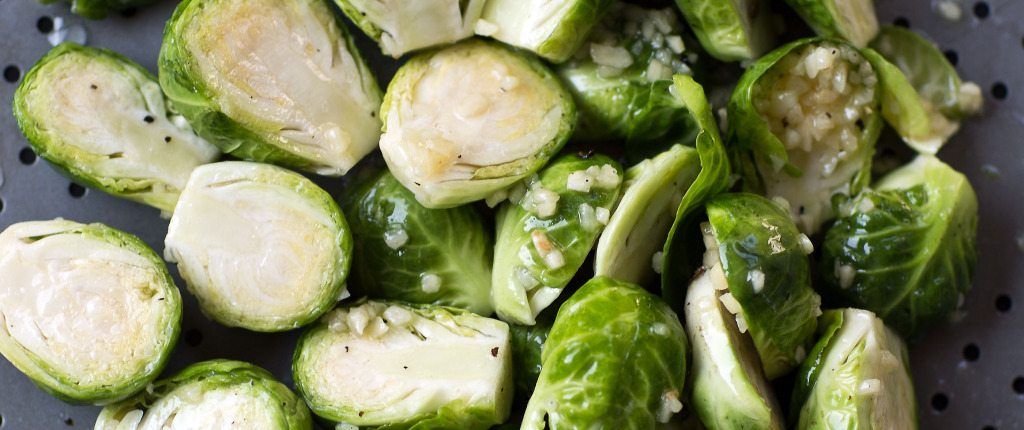
Antioxidant Properties of Brussels Sprouts: A Superfood for Health and Wellness
Introduction:
In recent years, there has been a surge in interest surrounding the health benefits of Brussels sprouts. These small, cruciferous vegetables are often overlooked but have gained popularity due to their high antioxidant content. Antioxidants play a crucial role in protecting our bodies against oxidative stress and reducing the risk of chronic diseases like cancer, heart disease, and inflammation. In this article, we will explore the antioxidant properties of Brussels sprouts and delve into why they are considered a superfood for health and wellness.
Understanding Antioxidants:
To understand the significance of antioxidants in our diet, it is essential to grasp their role in combating free radicals. Free radicals are highly reactive molecules that can damage cells by stealing electrons from other molecules, causing oxidative stress. This process leads to cellular damage and is associated with numerous chronic diseases.
Antioxidants work by neutralizing free radicals before they can cause harm. They donate electrons to stabilize these unstable molecules, preventing them from damaging healthy cells. By incorporating foods rich in antioxidants into our diet, such as Brussels sprouts, we can enhance our body’s defense mechanisms against oxidative stress.
Brussels Sprouts: An Antioxidant Powerhouse:
Brussels sprouts belong to the Brassica family alongside broccoli, cauliflower, cabbage, and kale – all known for their exceptional nutritional value. These vegetables contain various phytochemicals that possess potent antioxidant properties.
One group of antioxidants found abundantly in Brussels sprouts is called flavonoids. Flavonoids include compounds like kaempferol, quercetin, and rutin which have been extensively studied for their health-promoting effects.
Kaempferol is one such flavonoid present in significant amounts within Brussels sprouts. It has been shown to exhibit anti-inflammatory properties by inhibiting enzymes involved in the inflammatory response (1). Additionally, kaempferol has been linked to a reduced risk of chronic diseases such as heart disease and cancer (2).
Quercetin, another flavonoid present in Brussels sprouts, is known for its potent antioxidant activity. It helps scavenge free radicals and reduces oxidative stress within the body. Studies have shown that quercetin may also possess anti-inflammatory properties and can potentially protect against certain types of cancers (3).
Rutin, yet another flavonoid abundant in Brussels sprouts, plays a crucial role in protecting blood vessels from damage caused by free radicals. Rutin strengthens the walls of blood vessels and improves circulation while reducing inflammation (4). Additionally, rutin has demonstrated potential in preventing platelet aggregation and reducing the risk of cardiovascular diseases.
Vitamin C: A Powerful Antioxidant:
Apart from flavonoids, Brussels sprouts are an excellent source of vitamin C – an essential antioxidant nutrient. Vitamin C is well-known for its immune-boosting properties but is also integral to neutralizing free radicals throughout the body.
As an antioxidant, vitamin C donates electrons to stabilize free radicals before they cause harm. This vital nutrient not only protects cells against oxidative stress but also regenerates other antioxidants like vitamin E within the body.
Furthermore, vitamin C enhances iron absorption from plant-based sources when consumed with meals containing non-heme iron. This property makes Brussels sprouts an ideal choice for individuals following vegetarian or vegan diets who may be at a higher risk of developing iron-deficiency anemia.
Other Beneficial Compounds:
In addition to their rich antioxidant content, Brussels sprouts offer various other compounds that contribute to overall health and wellness.
Glucosinolates are sulfur-containing compounds found abundantly in cruciferous vegetables like Brussels sprouts. When broken down during chewing or cooking processes, glucosinolates produce biologically active compounds such as indole-3-carbinol (I3C) and sulforaphane. These compounds have been extensively studied for their anti-cancer properties, particularly in relation to hormone-related cancers like breast and prostate cancer (5).
Fiber is another beneficial component found in Brussels sprouts. Fiber is essential for maintaining a healthy digestive system, promoting regular bowel movements, and preventing constipation. It also helps regulate blood sugar levels, promotes satiety, and aids in weight management.
Furthermore, Brussels sprouts contain various vitamins and minerals necessary for optimal health. These include vitamin K – crucial for blood clotting; folate – essential for DNA synthesis; potassium – important for heart health; and manganese – involved in energy metabolism.
Incorporating Brussels Sprouts into Your Diet:
Now that we understand the exceptional antioxidant properties of Brussels sprouts let’s explore some delicious ways to incorporate them into our diet.
Roasting: Roasting Brussels sprouts brings out their natural sweetness while adding a delightful caramelized flavor. Simply toss them with olive oil, salt, pepper, and any other desired seasonings before roasting in the oven until tender and slightly browned.
Stir-frying: Stir-frying Brussels sprouts with other vegetables or proteins creates a quick and nutritious meal option. Add garlic, ginger, soy sauce or tamari for an Asian-inspired twist or experiment with different herbs and spices to create your own unique flavors.
Salads: Raw Brussels sprouts can be thinly sliced or shredded to add texture to salads. Their slightly bitter taste pairs well with sweet dressings like honey mustard or tangy vinaigrettes made from citrus juices.
Steaming: Steaming preserves the nutrients present in Brussels sprouts while maintaining their vibrant green color. Serve steamed Brussels sprouts as a side dish alongside your favorite protein source or incorporate them into grain bowls for added nutritional value.
Conclusion:
Brussels sprouts are not just another cruciferous vegetable; they are a powerhouse of antioxidants. With their high flavonoid content, ample vitamin C, and other beneficial compounds, Brussels sprouts offer numerous health benefits. By incorporating these nutrient-dense vegetables into our diet, we can enhance our body’s defense against oxidative stress and reduce the risk of chronic diseases. So next time you’re at the grocery store or planning your meals, don’t forget to grab some Brussels sprouts – nature’s gift for health and wellness!

Leave a Reply