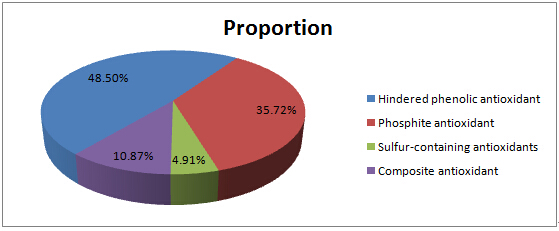
In recent years, there has been growing interest in the correlation between financial stability and antioxidant consumption. Antioxidants are compounds found in various foods that help protect our cells from damage caused by harmful molecules called free radicals. While antioxidants are widely known for their health benefits, researchers have started to explore how financial stability can impact our ability to consume these vital nutrients.
1. Access to Nutrient-Rich Foods: Financial stability plays a significant role in determining the types of foods we can afford to buy. People with higher incomes often have better access to fresh fruits, vegetables, and other antioxidant-rich foods. Conversely, individuals with lower incomes may face challenges in affording nutritious options.
2. Diet Quality: Financially stable individuals tend to have better diet quality overall due to their ability to purchase healthier food options regularly. A balanced diet that includes plenty of antioxidant-rich foods is essential for maintaining optimal health.
3. Stress Reduction: Financial instability can lead to chronic stress, which adversely affects our overall well-being. High levels of stress increase oxidative stress within the body and deplete antioxidants more rapidly. Therefore, financial stability indirectly promotes better antioxidant status by reducing stress levels.
4. Dietary Supplements: Individuals with greater financial resources may be more likely to afford dietary supplements containing antioxidants such as vitamins C and E or coenzyme Q10 (CoQ10). These supplements can serve as an additional source of antioxidants when whole food sources are limited.
5. Food Security: Financial stability contributes significantly to food security – having consistent access to enough safe and nutritious food for an active and healthy life. A lack of food security often leads people towards cheaper but less nutrient-dense alternatives devoid of essential antioxidants.
6. Lifestyle Choices: Financially stable individuals generally have more freedom in making lifestyle choices that promote overall wellness, including a diet rich in antioxidants.
7.Healthcare Affordability: The link between financial stability and healthcare affordability cannot be ignored when discussing antioxidant consumption. Access to quality healthcare can help individuals manage existing health conditions that may require higher antioxidant intake.
8. Education and Awareness: Financial stability often allows for better education and awareness regarding the importance of antioxidants in maintaining good health. With more resources, individuals can learn about the benefits of consuming antioxidant-rich foods and make informed dietary choices.
9. Socioeconomic Disparities: There is a clear correlation between socioeconomic status and health disparities. Lower-income individuals are more likely to face limited access to affordable, nutritious foods high in antioxidants, further exacerbating existing health inequalities.
10. Urban vs. Rural Areas: Financial stability can also impact antioxidant consumption based on geographical location. Urban areas usually have better access to diverse food options, including fresh produce rich in antioxidants, whereas rural areas may have limited availability or higher prices for such foods.
11. Cultural Factors: Different cultures have varying dietary preferences that influence antioxidant consumption patterns. Financial stability often enables individuals to maintain their cultural food traditions while incorporating a wide range of antioxidant-rich ingredients into their diets.
12.Economic Downturns: Economic recessions or downturns can affect financial stability for many people, leading to compromised diets due to reduced income levels or job losses. These circumstances might result in decreased antioxidant intake and potential negative impacts on overall well-being.
In conclusion, financial stability undoubtedly influences our ability to consume an adequate amount of antioxidants through various mechanisms such as improved diet quality, stress reduction, access to nutrient-rich foods, and affordability of supplements when needed. While it’s important not to overlook the impact of socioeconomic factors on nutrition and health outcomes, raising awareness about these disparities can help bridge the gap towards achieving optimal antioxidant consumption for all individuals regardless of their economic circumstances

Leave a Reply