Agroforestry Systems: A Sustainable Approach to Healthy Eating
Introduction:
When it comes to healthy eating, the focus is often on the nutritional value of food. However, another important aspect that is often overlooked is the way our food is produced. Agroforestry systems offer a sustainable approach to farming that not only supports healthy eating but also promotes environmental conservation and biodiversity. In this article, we will explore what agroforestry systems are, their benefits, and how they contribute to healthier diets.
What are Agroforestry Systems?
Agroforestry systems integrate trees or shrubs with crops or livestock on the same piece of land. This system allows for multiple outputs from a single plot while promoting ecological interactions between different species. The combinations can vary depending on the region and climate but typically involve growing trees alongside annual crops or grazing animals.
Types of Agroforestry Systems:
1. Alley Cropping:
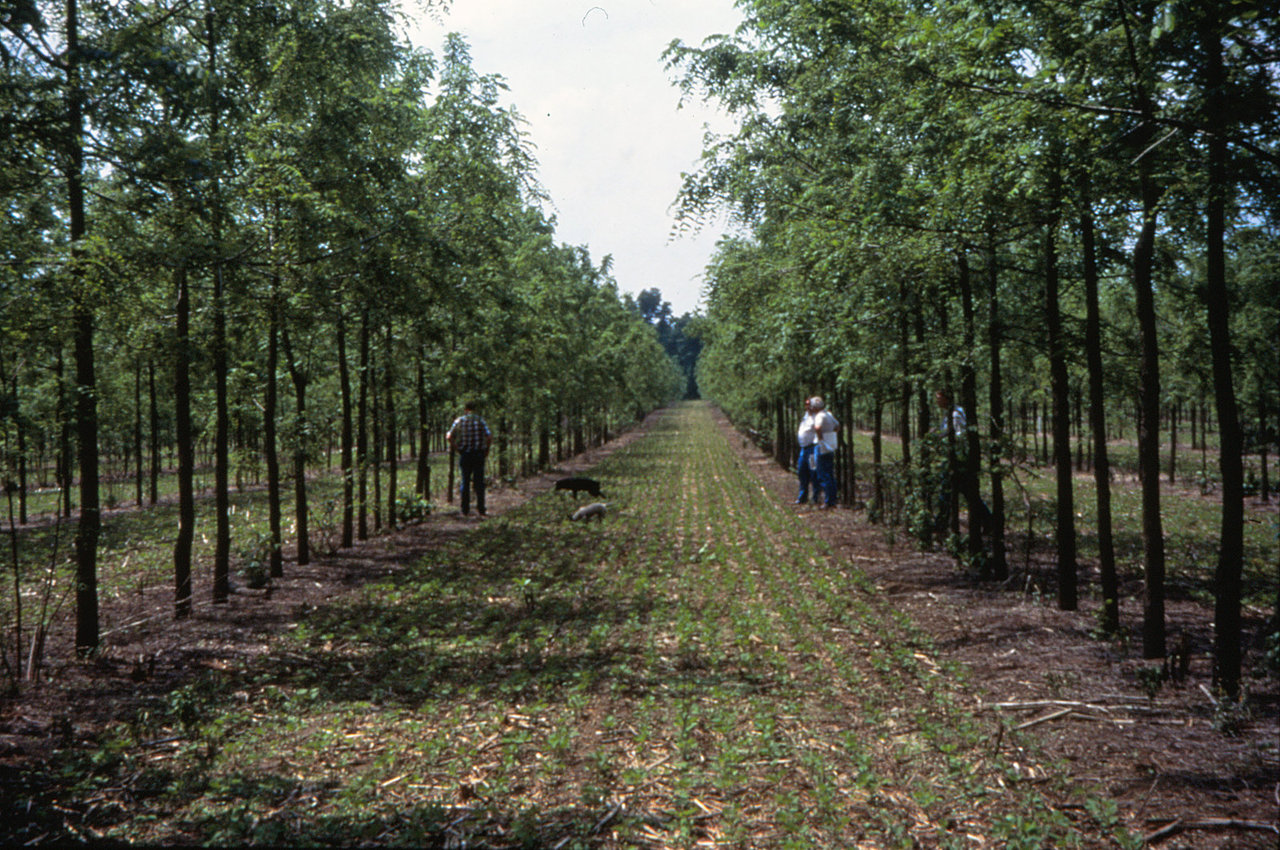
In alley cropping systems, rows of trees or shrubs are planted parallel to each other with space left in between for annual crops. This arrangement provides shade and windbreaks for crops while allowing them access to sunlight during critical growth stages.
2. Silvopasture:
Silvopasture combines trees with grazing livestock by integrating pastureland with scattered tree cover. The presence of trees helps improve soil fertility through increased organic matter deposition and provides shade for animals during hot weather.
3. Forest Gardening:
Forest gardening involves mimicking natural forest ecosystems by planting diverse edible plants in layers – from tall canopy trees down to ground-covering herbs and vegetables. This system maximizes productivity while creating a self-sustaining ecosystem that requires minimal human intervention.
4. Windbreaks/Shelterbelts:
Windbreaks consist of rows of closely spaced trees planted around agricultural fields or homesteads as barriers against strong winds. Besides protecting crops from wind damage, windbreaks help reduce soil erosion and provide habitat for beneficial insects.
Benefits of Agroforestry Systems:
1. Environmental Conservation:
One of the key benefits of agroforestry systems is their positive impact on the environment. Trees play a vital role in carbon sequestration, helping to mitigate climate change by absorbing and storing carbon dioxide. Additionally, they contribute to water conservation, prevent soil erosion, and improve biodiversity by providing habitats for various species.
2. Increased Food Security:
Agroforestry systems diversify agricultural production by combining different crops and livestock with trees. This not only reduces the risk of crop failure but also ensures a variety of food sources throughout the year. The inclusion of trees provides fruits, nuts, and other non-timber forest products that supplement diets and enhance nutritional diversity.
3. Soil Health Improvement:
Trees in agroforestry systems contribute significantly to soil health improvement through increased nutrient cycling, organic matter accumulation, and enhanced soil structure. Their deep root systems help prevent nutrient leaching while improving water infiltration rates.
4. Economic Benefits:
Agroforestry systems have economic advantages both at the individual farmer level as well as at a larger scale. By diversifying their income sources through multiple outputs from the same plot – such as timber or fruit sales alongside regular crops – farmers can reduce risks associated with single-crop farming while increasing overall profitability.
Contribution to Healthy Diets:
Agroforestry systems play a crucial role in promoting healthy eating by offering a wide range of nutritious foods. The inclusion of trees allows for diverse planting options including fruits, nuts, vegetables, herbs, and spices – contributing to balanced diets rich in vitamins and minerals.
Furthermore, these systems often prioritize organic farming practices due to their focus on ecological sustainability. Organic produce has been found to contain higher levels of nutrients compared to conventionally grown counterparts – making agroforestry products even more beneficial for our health.
Conclusion:
Agroforestry systems offer an innovative and sustainable approach to farming that not only supports healthy eating but also promotes environmental conservation and economic viability. By integrating trees with crops or livestock, these systems provide numerous benefits ranging from increased food security to improved soil health. So, the next time you take a bite of a juicy fruit or enjoy a meal rich in diverse flavors, remember the role agroforestry plays in making it possible.

Leave a Reply